







What's Happening?
Many smartphone users experience their devices overheating when using CarPlay or Android Auto, a common issue stemming from a combination of factors rather than a single problem. The simultaneous operation of navigation, music streaming, wireless radios,
and charging places a heavy workload on the phone's processor and components. This is exacerbated in warm environments, such as a car cabin, where heat dissipation is challenging. Wireless charging, in particular, generates more heat than wired charging, contributing significantly to the thermal load when combined with other demanding applications. Phone placement also plays a crucial role; direct sunlight exposure on a dashboard or in a thick case can trap heat, preventing the device from cooling effectively. Apple's temperature guidance and Google's Pixel safety guidance both warn against direct sunlight and hot environments, which can lead to performance throttling, slowed charging, or even device shutdown as a protective measure.
Why It's Important?
Phone overheating while using in-car connectivity systems like CarPlay and Android Auto is important because it impacts user experience, device longevity, and potentially safety. For many Americans, smartphones are integral to navigation, communication, and entertainment during commutes and road trips. An overheating phone can lead to performance degradation, such as a dimmed display or sluggish app response, which can be frustrating and distracting for drivers. More critically, persistent overheating can shorten the lifespan of the device's battery and internal components, leading to costly repairs or premature replacement. The issue also highlights the energy demands of modern mobile technology and the challenges of managing thermal loads in everyday use cases. Understanding the causes and solutions can help consumers protect their investments and ensure reliable access to essential in-car functions, contributing to safer and more efficient travel experiences across the U.S.
What's Next?
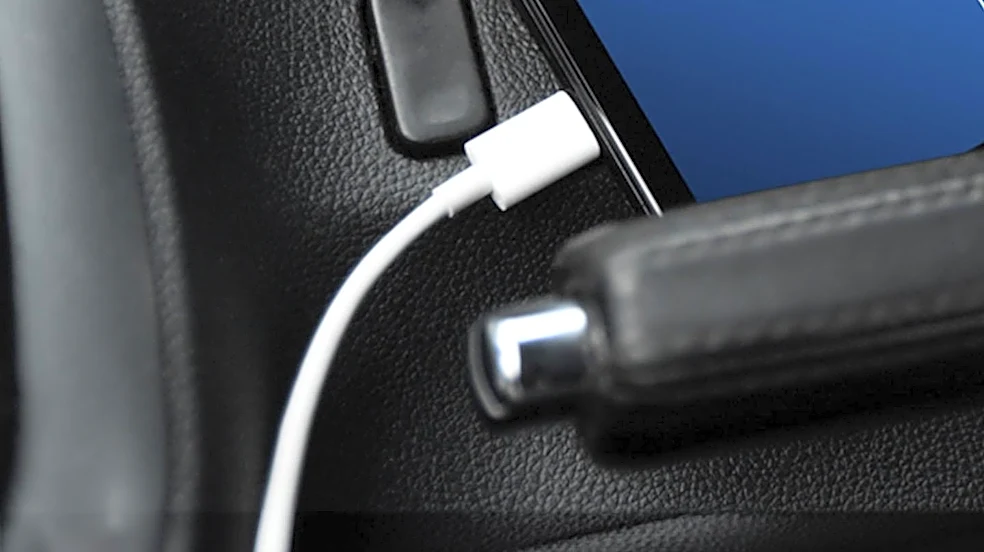
To mitigate phone overheating, users are advised to adopt several practical strategies. Switching from wireless to wired connections for both CarPlay/Android Auto and charging is a primary recommendation, especially for long drives or in hot weather, as wired connections generate less heat. Optimizing phone placement by keeping it out of direct sunlight, off hot surfaces, and potentially in front of an A/C vent (with caution to avoid rapid cooling in humid conditions) can significantly help. Software adjustments, such as downloading maps and music beforehand to reduce cellular data usage and opting for 2D map views, can also lessen the processing load. If a phone overheats, it's crucial to unplug it, move it to a cooler spot, and allow it to cool down naturally. Device manufacturers may continue to explore improved thermal management solutions in future smartphone designs, and car manufacturers might integrate better cooling mechanisms for phone compartments or charging pads to address this widespread issue.
Beyond the Headlines
The prevalence of phone overheating with CarPlay and Android Auto points to a broader technological and behavioral challenge in the integration of personal devices with automotive systems. It underscores the increasing reliance on smartphones for critical in-car functions, transforming them from mere communication tools into essential components of the driving experience. This trend raises questions about the design philosophy of both smartphones and vehicle interiors, particularly regarding thermal management and power delivery. The issue also highlights a gap in user education, as many consumers may not be aware of the cumulative effects of various demanding processes on their devices. As vehicles become more connected and autonomous, the seamless and reliable operation of integrated electronics will become even more critical. Addressing these overheating issues effectively could drive innovation in device cooling technologies, lead to more robust in-car charging solutions, and influence future standards for device-vehicle interoperability, ultimately enhancing the overall smart mobility ecosystem.