



What's Happening?
The Anaheim Ducks, under General Manager Pat Verbeek, have successfully navigated a five-year rebuilding process, transforming into a competitive team. This strategy involved tearing down the existing roster, accumulating high draft picks, developing
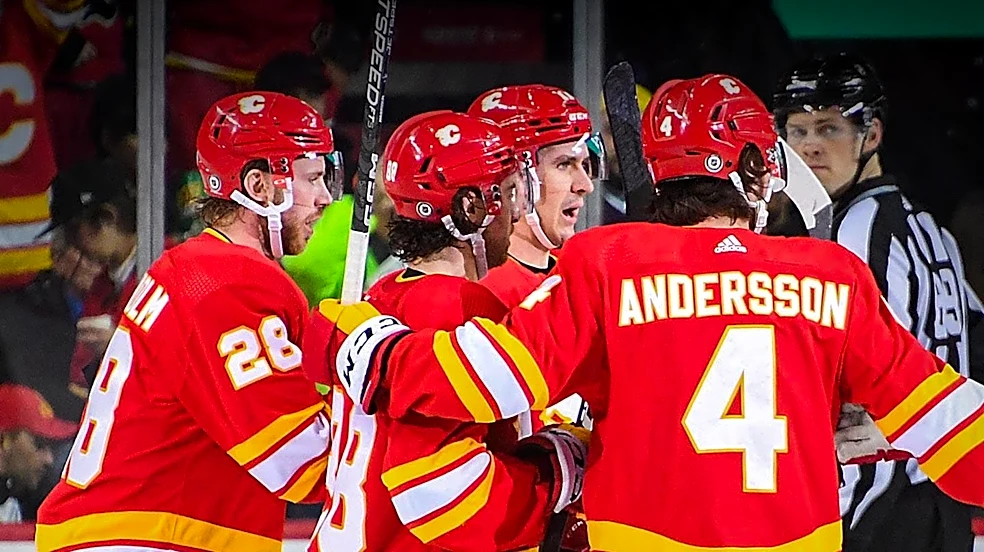
young talent, and strategically adding veteran players. Verbeek's approach, initiated in February 2022, focused on identifying and nurturing young prospects while ensuring they were supported by experienced players who could contribute to scoring and teach professional habits. The Ducks' success is now evident with a lineup increasingly driven by young players like Leo Carlsson, Cutter Gauthier, and Beckett Sennecke, complemented by veterans such as Alex Killorn and Frank Vatrano. This model is now being considered by the Calgary Flames, who are embarking on their own transition period, with General Manager Craig Conroy looking to the Ducks' blueprint for guidance.
Why It's Important?
The Anaheim Ducks' successful rebuild provides a significant case study for other professional sports franchises, particularly those in the National Hockey League (NHL), facing similar transitional phases. This strategy highlights the importance of a multi-faceted approach that goes beyond simply acquiring draft picks. It underscores the critical role of player development, the careful integration of veteran leadership to mentor young talent, and the patience required to see such a plan through. For teams like the Calgary Flames, understanding this blueprint can inform their long-term strategic decisions, potentially leading to more sustainable success and avoiding prolonged periods of underperformance. The Ducks' experience demonstrates that a well-executed rebuild can accelerate a team's timeline to contention, impacting fan engagement, team valuation, and the overall competitive landscape of the league.
What's Next?
The Calgary Flames are expected to continue their transition, likely drawing lessons from the Anaheim Ducks' model. This will involve a sustained focus on identifying and drafting young talent, investing in their development, and making strategic acquisitions of veteran players who can complement the youth movement. Flames General Manager Craig Conroy will need to carefully balance the desire for immediate competitiveness with the long-term goal of building a sustainable winning culture. The success of this approach for the Flames will depend on their ability to replicate the Ducks' careful management of player development and veteran integration. Other NHL teams in similar rebuilding phases will also likely observe the Ducks' continued trajectory and the Flames' implementation of a comparable strategy to inform their own future decisions.
Beyond the Headlines
The Ducks' rebuild strategy extends beyond mere roster construction; it delves into the psychological and cultural aspects of team building. The emphasis on veterans teaching young players how to handle adversity and maintain accountability speaks to the deeper understanding of what it takes to succeed in professional sports. This approach acknowledges that raw talent alone is insufficient; a strong team culture, built on mentorship and shared responsibility, is crucial for sustained success. This model could influence how other sports organizations view player development, shifting focus from purely skill-based training to a more holistic approach that includes character building and leadership development. It also highlights the evolving nature of professional sports, where young players are increasingly expected to contribute significantly earlier in their careers, necessitating robust support systems.