





What's Happening?
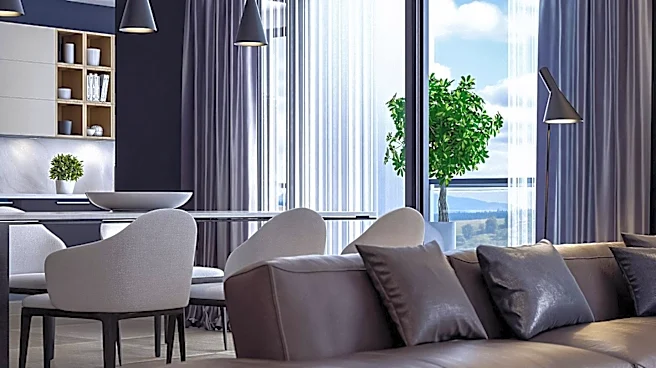
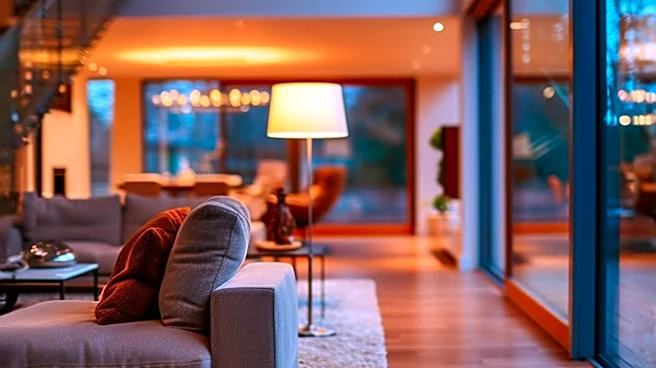
Interior designers are employing sophisticated lighting strategies, including layering ambient, task, and accent lighting, to create depth, drama, and dimension in residential and commercial spaces. This approach moves beyond basic illumination to sculpt
environments and evoke specific emotions. Ambient lighting provides overall illumination, task lighting focuses on specific activities, and accent lighting highlights features like artwork or architectural details. Techniques such as wall washing and wall grazing are used to create depth by manipulating light and shadow, making rooms feel more expansive or emphasizing textures. Wall sconces are strategically placed at eye level to introduce drama and intimacy, creating a 'chiaroscuro' effect reminiscent of Renaissance painting. Additionally, pendant lights and chandeliers are used to define vertical space, drawing the eye upward and anchoring specific areas within a room. The choice of color temperature (warm white for coziness, natural white for clarity) and the use of dimmers are also critical for controlling the mood and adaptability of a space.
Why It's Important?
The strategic use of lighting significantly impacts the aesthetic and functional quality of interior spaces, influencing how occupants perceive and interact with their environment. For homeowners, understanding these principles can transform a flat, uninviting room into a dynamic, comfortable sanctuary, potentially increasing property value and personal well-being. For businesses, effective lighting design can enhance customer experience, influence purchasing behavior in retail settings, or improve productivity and employee comfort in office environments. The emphasis on energy-efficient LED lighting, which offers versatility in color temperature and dimmability, also aligns with broader sustainability goals and can lead to long-term cost savings. This trend underscores the growing recognition of lighting as a fundamental element of interior design, moving it beyond mere utility to a critical component of spatial artistry and psychological impact.
What's Next?
The continued evolution of LED technology is expected to offer even greater flexibility and control in lighting design, with advancements in smart lighting systems allowing for dynamic adjustments to color, intensity, and even light patterns based on time of day, activity, or personal preference. Designers will likely integrate more sophisticated controls, such as app-based systems and voice activation, to provide users with seamless command over their illuminated environments. The focus on personalized lighting experiences will grow, with bespoke solutions tailored to individual needs and preferences becoming more common. Furthermore, as awareness of the psychological and physiological effects of light increases, there may be a greater emphasis on circadian lighting systems that mimic natural light cycles to support human health and well-being in indoor spaces. The integration of lighting with other smart home technologies will also likely become more seamless, creating fully integrated and responsive living and working environments.
Beyond the Headlines
Beyond its immediate aesthetic and functional benefits, sophisticated lighting design touches upon deeper psychological and cultural dimensions. The deliberate manipulation of light and shadow can profoundly influence mood, perception, and even behavior, tapping into primal human responses to light. The concept of 'chiaroscuro,' borrowed from art, highlights how lighting can create a sense of drama, mystery, or intimacy, transforming a mundane space into an emotionally resonant one. Ethically, the increasing control over indoor lighting environments raises questions about the balance between creating desired ambiances and ensuring natural light exposure for human health. Culturally, lighting trends often reflect broader societal values, from the minimalist aesthetic of Nordic design to the opulent drama of crystal fixtures. The long-term shift towards highly customizable and intelligent lighting systems suggests a future where our environments are not just illuminated, but actively curated to enhance our experiences and well-being in increasingly personalized ways.