







What's Happening?
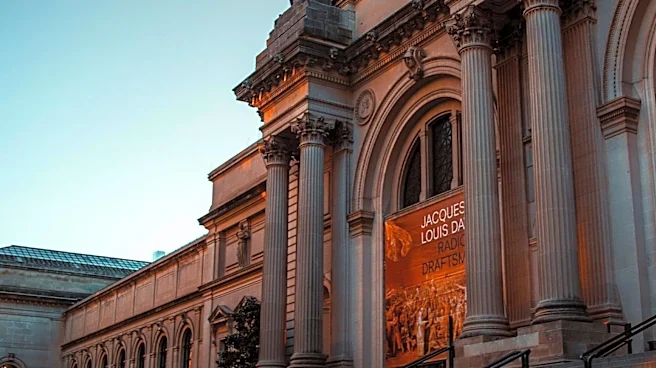
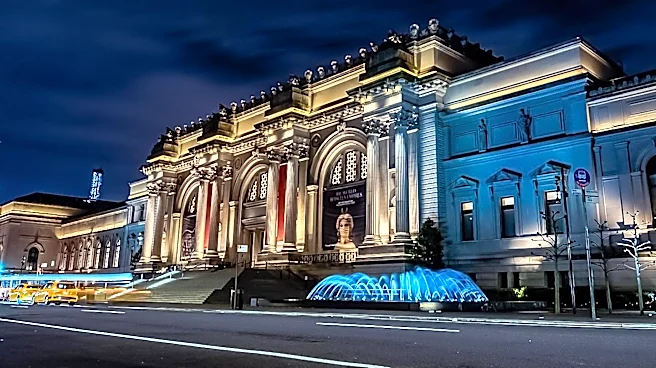
The Metropolitan Museum of Art has canceled its planned exhibit honoring British fashion designer John Galliano, titled "John Galliano: Horizons," which was slated to launch with the annual Met Gala next May. The decision follows significant backlash
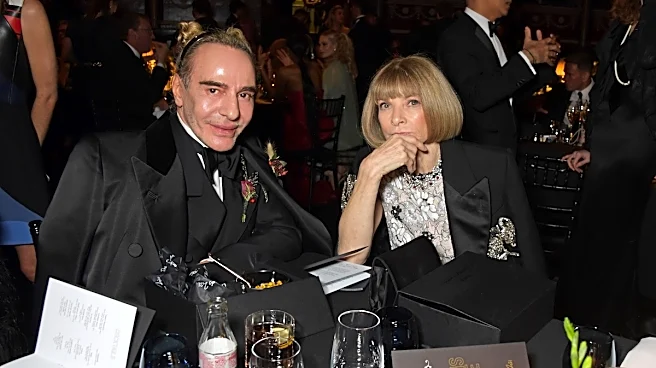
from the Jewish community and other groups due to Galliano's past antisemitic and racist statements made in 2010 and 2011, which led to his conviction in an antisemitism trial in France. Max Hollein, director and CEO of the museum, announced the cancellation, stating it was a mutual decision after thoughtful discussions with Galliano. Galliano himself issued a statement expressing sadness but acknowledging that it was best for the exhibition not to proceed at this time, taking full accountability for the pain caused by his words. Anna Wintour, Vogue's global editorial director and a long-time supporter of Galliano, called his decision courageous. New York City Council Speaker Julie Menin, whose mother is a Holocaust survivor, had actively voiced opposition to the exhibit, calling the initial plan a "gut punch to the Jewish community."
Why It's Important?
The cancellation of John Galliano's exhibit at the Metropolitan Museum of Art highlights the increasing scrutiny and accountability placed on public institutions and figures regarding past controversial actions, particularly those involving antisemitism and racism. This decision reflects a broader societal shift where historical offenses are not easily overlooked, even in the context of artistic achievement. For the fashion and art worlds, it underscores the tension between celebrating artistic talent and upholding ethical standards. The Met's initial attempt to address Galliano's past mistakes within the exhibit itself proved insufficient to quell public outrage, demonstrating the power of community advocacy and the importance of institutional sensitivity to social justice issues. The timing of the planned Met Gala on Holocaust Remembrance Day in 2027 further amplified concerns, adding another layer of ethical complexity to the situation. This event sets a precedent for how major cultural institutions navigate the complexities of honoring artists with problematic histories, emphasizing that public perception and moral considerations can outweigh artistic merit.
What's Next?
The Metropolitan Museum of Art will now replace the canceled "John Galliano: Horizons" exhibit with another show for its spring Costume Institute. The museum will need to select a new designer or theme that aligns with its mission and avoids similar controversies. This incident may prompt other cultural institutions to re-evaluate their vetting processes for exhibitions and honorees, particularly concerning individuals with histories of offensive behavior. There could be increased dialogue within the fashion and art communities about the criteria for celebrating artists and the balance between artistic freedom and social responsibility. For John Galliano, this cancellation represents a setback in his efforts for rehabilitation and public acceptance, despite his expressed remorse. The broader conversation about redemption, accountability, and the appropriate timing for public honors will likely continue, influencing future decisions by institutions and public figures alike. The Met Gala, a highly visible event, will proceed with a different focus, potentially under heightened scrutiny regarding its thematic choices and honorees.
Beyond the Headlines
The controversy surrounding the John Galliano exhibit delves into deeper societal questions about cancel culture, redemption, and the role of art in public discourse. While Galliano has expressed remorse and undergone rehabilitation efforts, the public's reaction indicates that forgiveness and re-acceptance are not automatic, especially when past actions involve deeply offensive and harmful rhetoric. This situation forces a critical examination of whether artistic genius can be separated from personal conduct, and to what extent institutions should be held responsible for the moral implications of their choices. It also highlights the enduring impact of historical trauma, such as the Holocaust, on contemporary sensitivities and the imperative for institutions to be mindful of these sensitivities. The incident serves as a powerful reminder that in an increasingly interconnected world, past actions can have long-lasting consequences, and public memory plays a significant role in shaping cultural narratives and institutional decisions. The debate over whether individuals can truly atone for past wrongs and regain full public trust will likely continue to evolve.