




What's Happening?
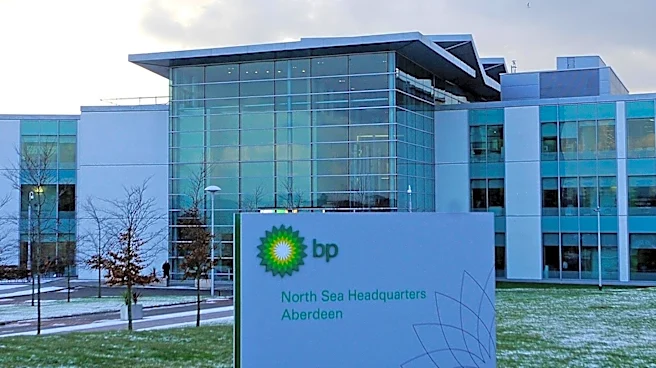
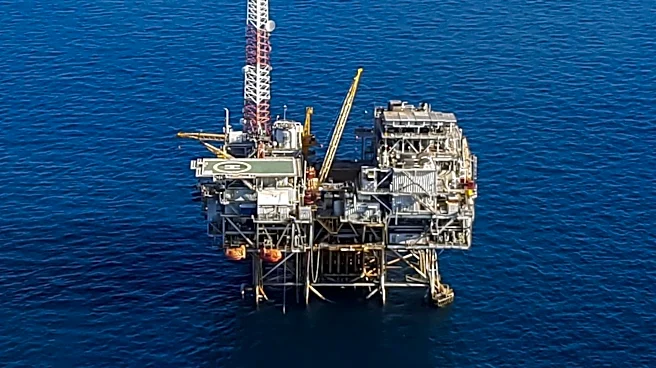
BP has decided to sell its North Sea business, marking the end of 60 years of production in the region. This decision is part of BP's strategy to streamline its operations. The North Sea business comprises five production hubs and employs approximately
1,100 people. The sale is a significant move for BP as it seeks to focus on other areas of its business. The announcement comes amid broader industry trends of oil companies reassessing their portfolios in response to changing market conditions and environmental pressures.
Why It's Important?
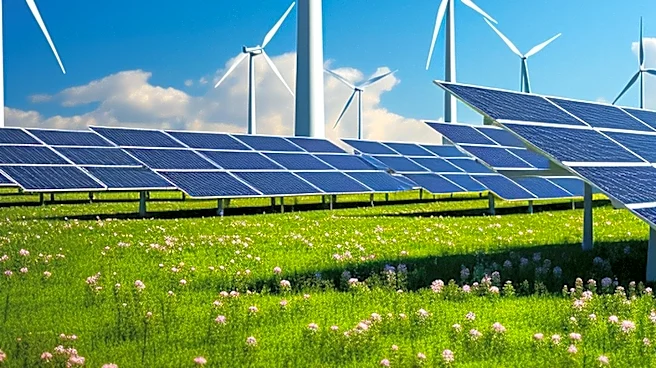
The sale of BP's North Sea assets is significant for the energy sector, particularly in the context of the global shift towards renewable energy sources. This move could impact the local economy, especially in regions dependent on oil and gas jobs. It also reflects the broader industry trend of oil companies divesting from traditional fossil fuel assets to focus on more sustainable energy solutions. The decision may influence other companies to reevaluate their strategies in the North Sea, potentially leading to further consolidation in the industry.
What's Next?
The sale process will likely attract interest from various potential buyers, including private equity firms and other energy companies looking to expand their North Sea operations. The outcome of the sale will be closely watched by industry analysts and stakeholders. Additionally, the impact on the workforce and local communities will be a key area of focus, with potential job losses and economic implications. BP's future strategy and investments in renewable energy will also be scrutinized as the company navigates this transition.