






What's Happening?
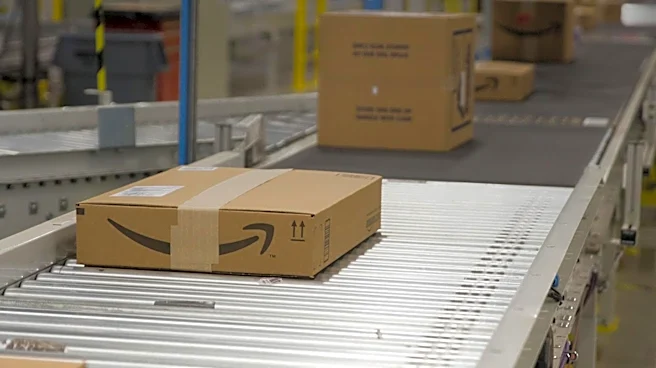
UPS has implemented a strategic shift, reducing its delivery volume for Amazon by 50% from early 2025 to mid-2026. This decision aligns with CEO Carol Tome's "better, not bigger" corporate strategy, which prioritizes higher-margin offerings over volume growth.
The company is moving away from chasing network scale and instead focusing on sectors such as healthcare, small and medium-sized businesses (SMBs), and higher-margin business-to-business (B2B) e-commerce. This strategy also involves investments in productivity-enhancing technologies like automation, smart facilities, and technology upgrades to create a more efficient network. The goal is to achieve higher revenue per piece while simultaneously reducing the cost per piece, ultimately leading to a more profitable company. The reduction in Amazon deliveries, which often involve bulky, inefficiently packed items to residential addresses, is consistent with this new strategic direction.
Why It's Important?
This strategic pivot by UPS has significant implications for the logistics industry and e-commerce. By reducing its reliance on Amazon, UPS aims to improve its profit margins and optimize its operational efficiency. This move could set a precedent for other logistics providers to re-evaluate their relationships with large e-commerce giants, potentially leading to shifts in how goods are transported and delivered across the U.S. For businesses, particularly SMBs and those in the healthcare sector, this could mean more tailored and potentially more efficient delivery services from UPS. However, the market has reacted with caution, as UPS stock has declined by 10.5% since the announcement, driven by concerns about its margin performance. Despite management raising its implied full-year adjusted earnings guidance, it lowered its implied margin guidance, indicating that the market is taking a "show me first" approach to the success of this strategy.
What's Next?
UPS will continue to implement its "better, not bigger" strategy, focusing on integrating new technologies and optimizing its network. The company's financial performance in the coming quarters will be closely watched by investors to assess the effectiveness of this strategic shift. Management's ability to demonstrate improved margin performance, despite the initial market skepticism, will be crucial. The impact of reduced Amazon volume on UPS's overall revenue and profitability will become clearer as the changes take full effect between 2025 and 2026. Competitors and other e-commerce companies will likely monitor UPS's progress, potentially influencing their own operational strategies and partnerships within the logistics ecosystem. The company's focus on higher-margin sectors like healthcare and B2B e-commerce suggests a long-term commitment to diversifying its revenue streams.
Beyond the Headlines
The decision by UPS to scale back its relationship with Amazon highlights a broader trend of major corporations re-evaluating their partnerships and supply chain dependencies. This move could signify a shift in power dynamics within the logistics sector, where carriers are increasingly asserting their own strategic priorities rather than solely accommodating the demands of dominant e-commerce players. Ethically, it raises questions about the balance between maximizing shareholder value and maintaining broad service accessibility, especially if such strategies lead to higher costs for certain types of deliveries. Culturally, it reflects a growing emphasis on specialized, value-added services over sheer volume, potentially reshaping consumer expectations for delivery speed and cost. In the long term, this could lead to a more fragmented but potentially more resilient logistics network, with carriers focusing on niche markets where they can command better pricing and profitability.