




What's Happening?
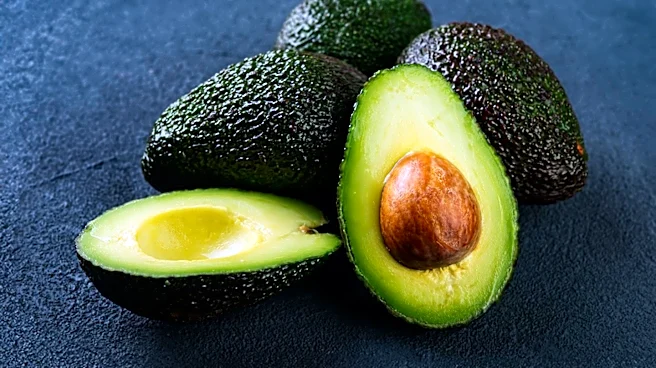
Researchers have discovered a diverse range of avocado species in Nicaragua's rainforests, which could play a crucial role in enhancing the resilience of commercial avocado crops. The study, published in the journal Plants People Planet, reveals that
these local avocado varieties, known as landraces, are genetically distinct and have adapted to the region's warmer and wetter climates. This genetic diversity could help protect commercial avocados from diseases and environmental changes that threaten monoculture crops like the widely grown Hass variety. The findings suggest that these landraces could be used to diversify the avocado supply chain and improve the sustainability of the global avocado industry.
Why It's Important?
The discovery of genetically diverse avocado varieties in Nicaragua is significant for the global avocado industry, which is heavily reliant on the Hass variety. This reliance makes the industry vulnerable to diseases and climate changes that could devastate crops. By incorporating the genetic diversity of these Nicaraguan landraces, the industry could enhance its resilience and sustainability. This research also highlights the importance of preserving traditional agricultural practices and biodiversity, which can offer solutions to modern agricultural challenges. The findings could lead to more robust and adaptable avocado crops, benefiting farmers and consumers worldwide.
Beyond the Headlines
The study underscores the broader importance of biodiversity in agriculture, as it provides a genetic reservoir that can be tapped into for crop improvement. This approach can be applied to other crops facing similar challenges, such as bananas and coffee. The research also emphasizes the role of indigenous knowledge and traditional farming practices in maintaining biodiversity. By valuing and integrating these practices, the agricultural industry can develop more sustainable and resilient food systems. This discovery could inspire further exploration of other underutilized plant species that hold potential for enhancing global food security.