






What's Happening?
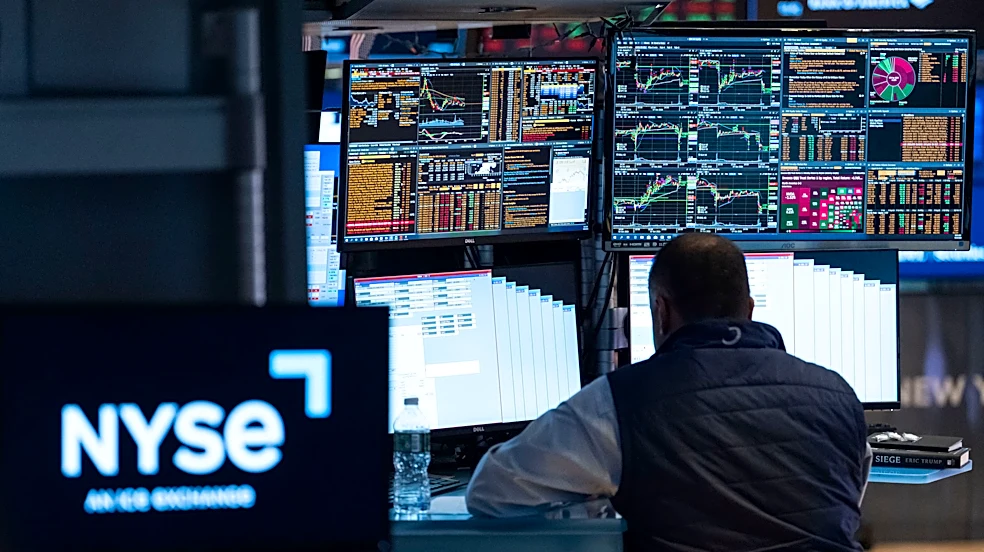
Nasdaq 100 futures saw a gain of almost 1% in early Monday trading, defying widespread social media warnings of a 'Black Monday' crash. This rally follows a significant selloff on Friday, where the Nasdaq Composite fell 2.1% and the S&P 500 lost 1.1%,
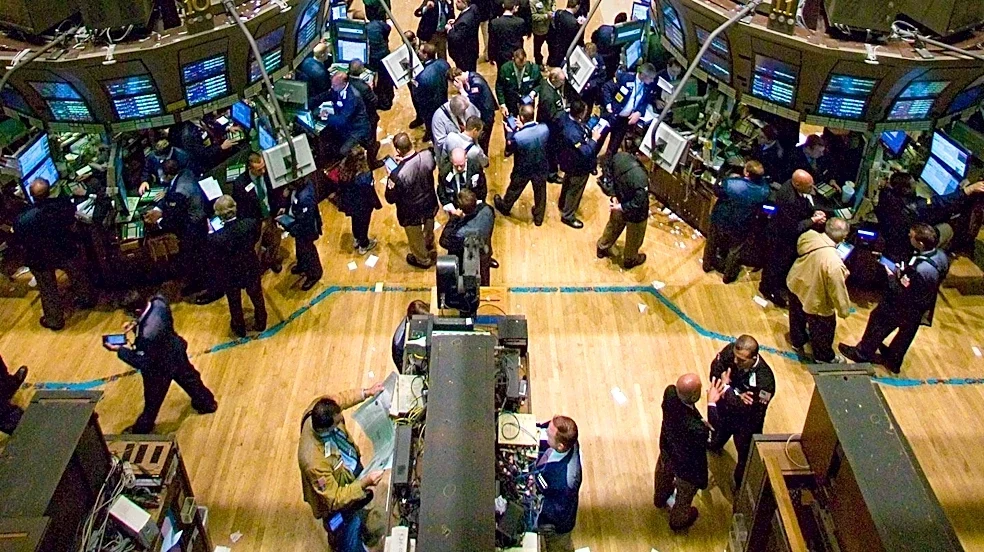
marking their worst week since June. The market research firm Kobeissi Letter noted that calls for a 'Black Monday' were trending across social media, but they maintained that such selloff worries are 'overdone.' The original 'Black Monday' occurred on October 19, 1987, when the Dow Jones Industrial Average dropped 22.6% in a single session. Despite the recent rebound in futures, concerns persist about the market's fragility, as only 10 stocks have driven approximately 70% of the S&P 500's gains since March.
Why It's Important?
The resilience of Nasdaq futures despite 'Black Monday' warnings indicates a potential shift in investor sentiment or a belief that the previous week's selloff was an overreaction. However, the underlying issue of market concentration, where a small number of stocks are responsible for a disproportionate share of market gains, remains a critical concern. This narrow leadership makes the overall market vulnerable to downturns in these specific companies, as evidenced by the recent weakness in chip stocks. The debate between those predicting a crash and those dismissing the fears highlights the current uncertainty and volatility in the financial markets, impacting investor confidence and strategic decisions.
What's Next?
The key question is whether the futures rally will translate into sustained gains during regular trading hours and if buying interest will broaden beyond the technology sector. Market participants will be closely watching for signs of increased participation from a wider range of stocks to confirm a healthy rebound. The performance of chipmakers, which have been under pressure, will be a crucial indicator. Analysts will continue to debate whether the market is truly recovering or if the current rally is merely a temporary bounce in a fragile environment. Future economic data and geopolitical developments will also play a significant role in shaping market direction.
Beyond the Headlines
The phenomenon of 'Black Monday' warnings trending on social media underscores the growing influence of digital platforms on market psychology. While these warnings can create fear, they also provide an opportunity for market commentators like Kobeissi Letter to offer counter-narratives and historical context, potentially mitigating panic. The reliance on a few dominant stocks for market performance raises questions about the long-term health and diversification of the U.S. stock market. This situation could lead to increased scrutiny of market structures and the potential for regulatory interventions aimed at promoting broader market stability and reducing concentration risks. The interplay between social media sentiment, expert analysis, and actual market movements will continue to be a fascinating aspect of modern financial markets.