

What's Happening?
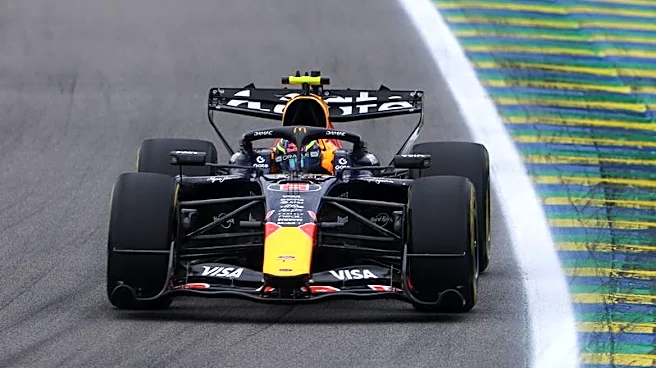
Red Bull Racing team principal Laurent Mekies confirmed that Max Verstappen would have been instructed to return second place to teammate Isack Hadjar during the Sao Paulo Grand Prix if their cars had remained close enough on track. Hadjar, who started
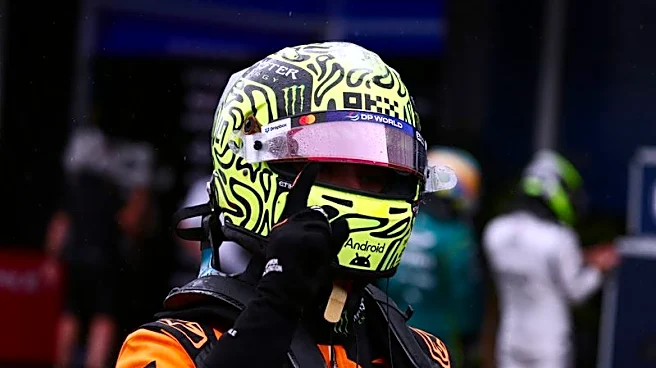
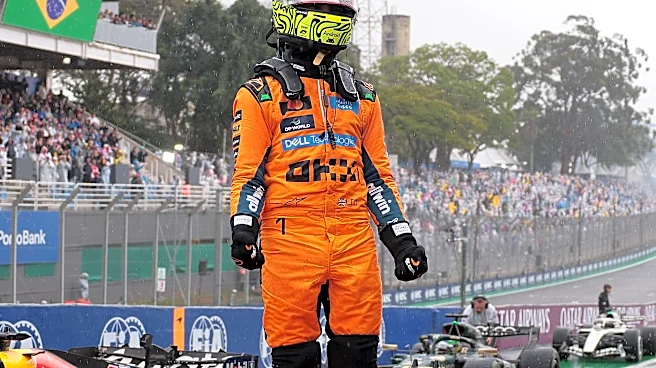
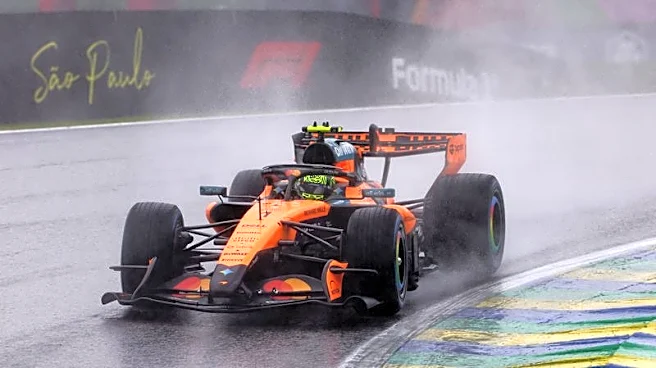
fifth, initially allowed Verstappen to pass on lap 38 as Verstappen charged through the field from 21st due to a power unit penalty. This decision was made to enable Verstappen to pursue race leader Lando Norris. However, Hadjar remained within a second of Verstappen and questioned whether positions would be reversed if Verstappen failed to catch Norris. Mekies stated that Red Bull intended to facilitate another switch, but changing weather conditions and differing strategies made it impractical as the cars became too distant.
Why It's Important?
This situation highlights the complex and often controversial nature of team orders in Formula 1. While team orders are a strategic tool to maximize overall team points or achieve specific objectives, they can also generate debate regarding fairness and individual driver performance. For Red Bull, the willingness to potentially instruct Verstappen, a four-time F1 drivers' champion, to cede a position is notable, especially given past instances where team orders favored him. This decision-making process reflects the delicate balance between individual driver ambition and collective team goals. The transparency from Mekies regarding their intent to reverse positions could influence future team dynamics and public perception of Red Bull's internal policies, particularly as the sport gains increasing traction in the U.S. market.
What's Next?
The discussion around team orders will likely continue to be a point of interest in future races, especially in scenarios where Red Bull drivers are closely matched. The team's stated intention to reverse positions, even if not executed, sets a precedent for how they might manage similar situations moving forward. This could impact driver morale and strategy in upcoming Grand Prix events. The incident also underscores the unpredictable elements of racing, such as weather changes, which can quickly alter strategic plans. Red Bull will need to clearly communicate its team order policies to its drivers to avoid potential friction and ensure smooth execution of race strategies in highly competitive environments.
Beyond the Headlines
The incident delves into the ethical considerations of team sports at an elite level. While individual brilliance is celebrated, the team's success often hinges on coordinated efforts, sometimes requiring personal sacrifices from drivers. The tension between individual glory and team objectives is a recurring theme in Formula 1. This particular scenario, where a dominant driver like Verstappen might be asked to yield, challenges the traditional hierarchy within a team and could signal a shift towards a more equitable approach to driver management, especially when both drivers are performing strongly. It also reflects the evolving nature of F1, where strategic nuances and team cohesion are becoming as critical as raw speed.