





What's Happening?
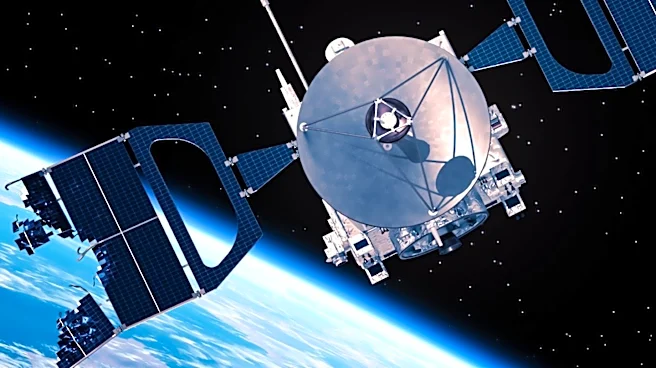
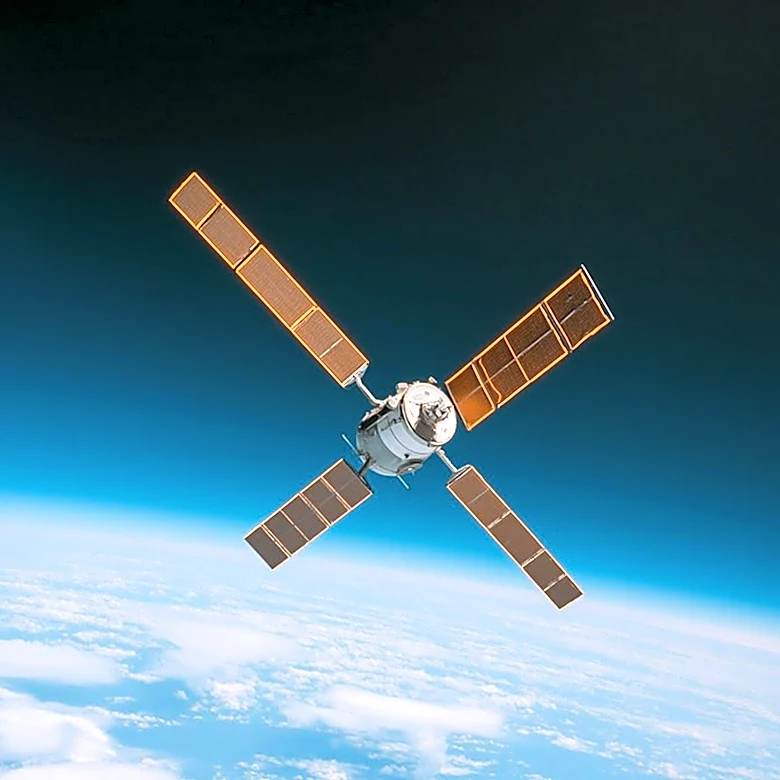
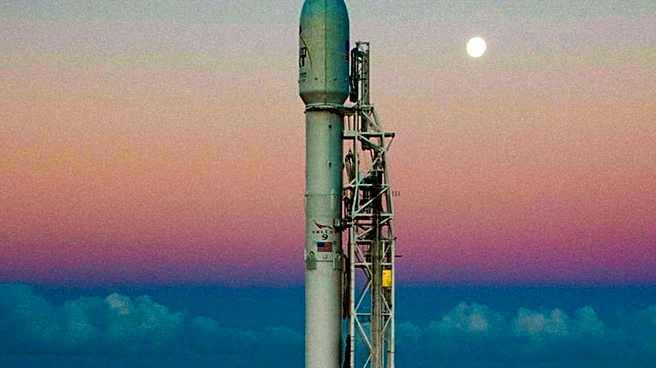
SpaceX's Starship Flight 13 marked a major milestone by successfully deploying the first operational Starlink V3 satellites. The mission, which took place on July 24, 2026, involved both the Super Heavy booster and the Starship vehicle landing successfully after
deploying the satellites. This achievement is significant as it demonstrates the vehicle's capability to carry and deploy functioning payloads into orbit, a critical step for SpaceX's long-term plans. The Starlink V3 satellites are larger and have higher capacity, which SpaceX has been eager to launch since Starship became the only vehicle capable of carrying them.
Why It's Important?
The deployment of Starlink V3 satellites by SpaceX's Starship is a crucial development in the field of satellite internet services. These new satellites are expected to enhance the capacity and performance of the Starlink network, providing faster and more reliable internet services globally. This advancement is particularly important for remote and underserved areas where traditional internet infrastructure is lacking. Additionally, the successful deployment showcases SpaceX's progress in developing reusable launch systems, which could lead to more cost-effective and frequent satellite launches, further solidifying SpaceX's position in the space industry.
What's Next?
With the successful deployment of Starlink V3 satellites, SpaceX is likely to increase the frequency of such launches to expand its satellite constellation. The company will continue to refine the Starship's capabilities to ensure reliable and efficient satellite deployments. This expansion is expected to enhance global internet coverage and could potentially disrupt the telecommunications industry by providing an alternative to traditional internet service providers. Stakeholders will be watching closely as SpaceX continues to innovate and push the boundaries of satellite technology.