




What's Happening?
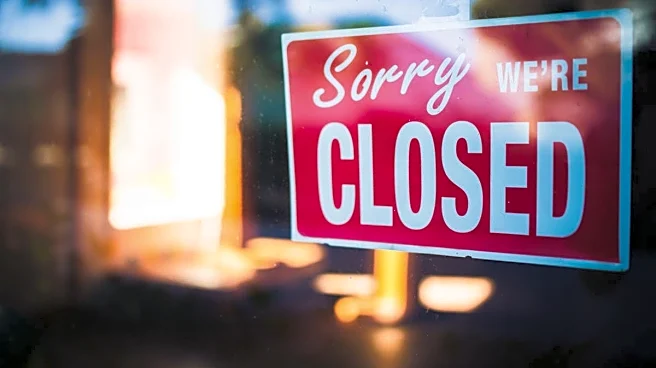
H&M, a leading fashion retailer, has announced plans to close a significant number of its stores worldwide as part of an organizational strategy aimed at optimizing its retail footprint. According to a report, the company revealed in its latest six-month
financial update for 2026 that it will continue to shut down more stores. Despite achieving net sales of approximately 54.8 billion kronor for the quarter ending May 31, 2026, H&M is operating with about 3% fewer stores compared to the previous year. The closures are part of a broader strategy to remain competitive in the fast-evolving fashion industry. While H&M is also opening new locations, the closures are outpacing the openings, resulting in a net decline in the number of stores. The company reported a net reduction of 128 locations across its brands over the past year, with the most significant losses occurring in Asia, Oceania, and Africa.
Why It's Important?
The decision by H&M to close stores globally underscores the challenges faced by traditional retail in adapting to changing consumer behaviors and the rise of e-commerce. This strategic move reflects a broader trend in the retail industry where companies are reevaluating their physical presence to focus on more profitable locations and enhance their online platforms. For H&M, reducing its store count could lead to cost savings and allow the company to invest more in digital channels, potentially increasing its competitiveness in the fast-fashion sector. However, these closures may also impact local economies and employment, particularly in regions with significant store reductions. The shift highlights the ongoing transformation within the retail landscape, where adaptability and innovation are crucial for survival.
What's Next?
H&M plans to continue its strategy of optimizing its retail footprint by closing 170 stores while opening approximately 90 new ones, resulting in a net reduction of 80 stores by the end of the year. The company is likely to focus on enhancing its digital presence and exploring new market opportunities to offset the impact of physical store closures. Stakeholders, including employees and local communities, may need to adapt to these changes, and there could be potential reactions from labor groups or local governments concerned about job losses. H&M's future performance will depend on its ability to balance physical and digital retail strategies effectively.