


What's Happening?
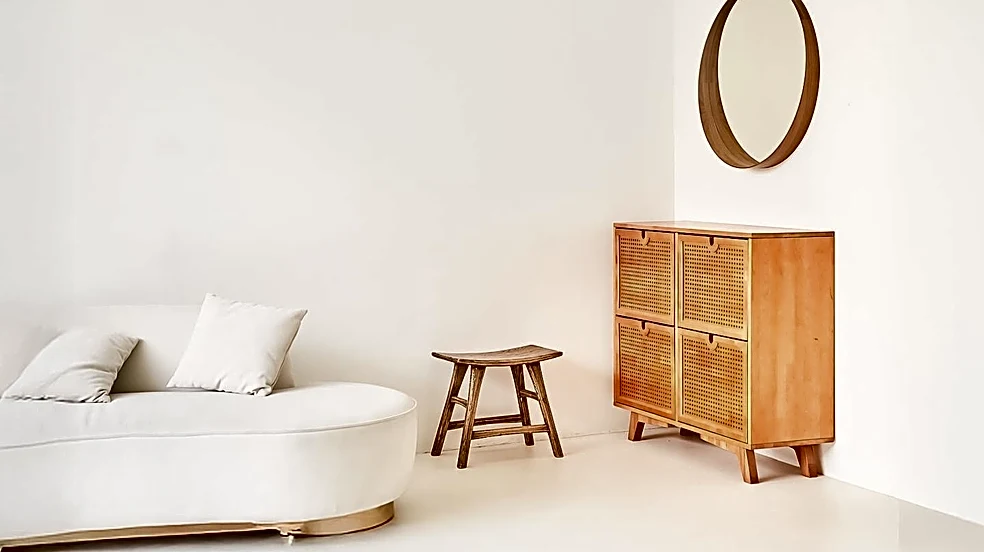
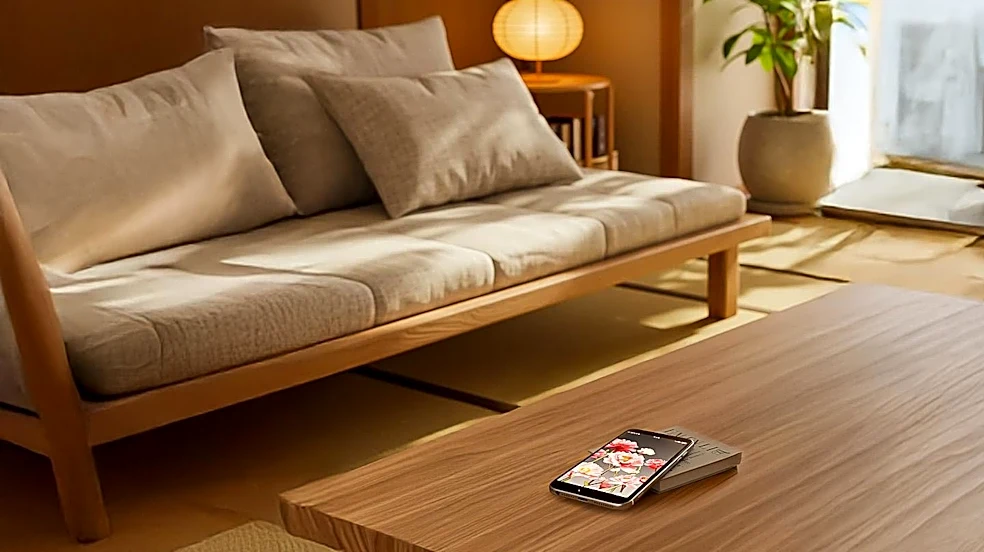
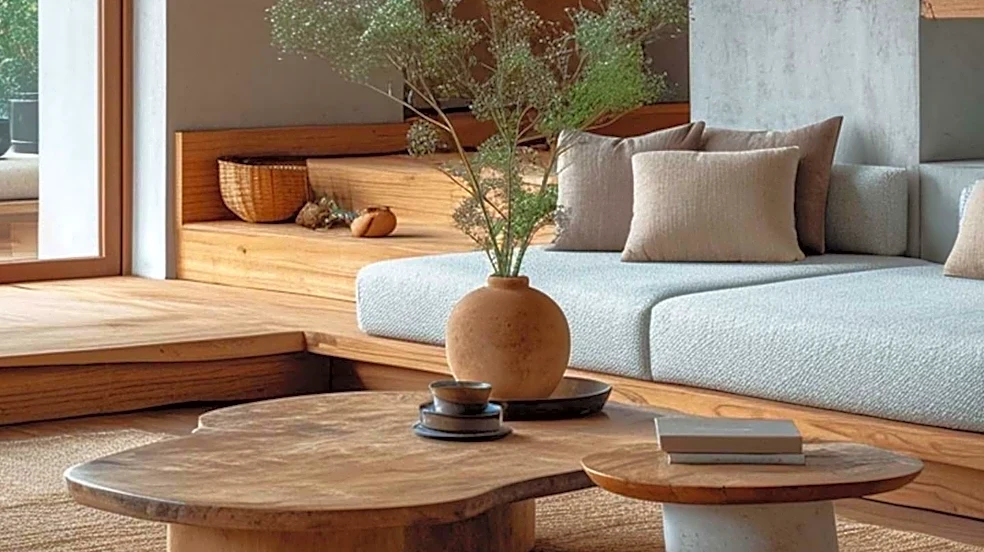
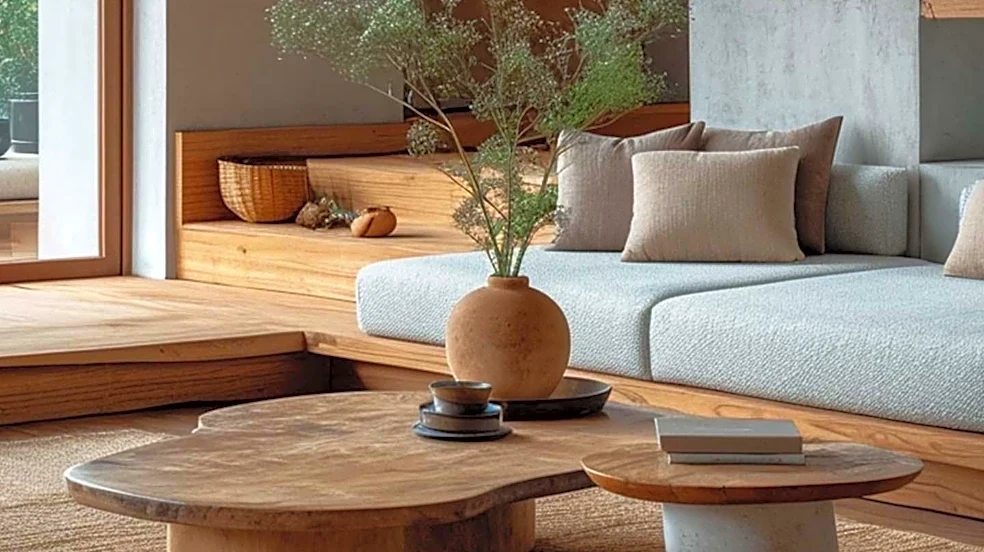
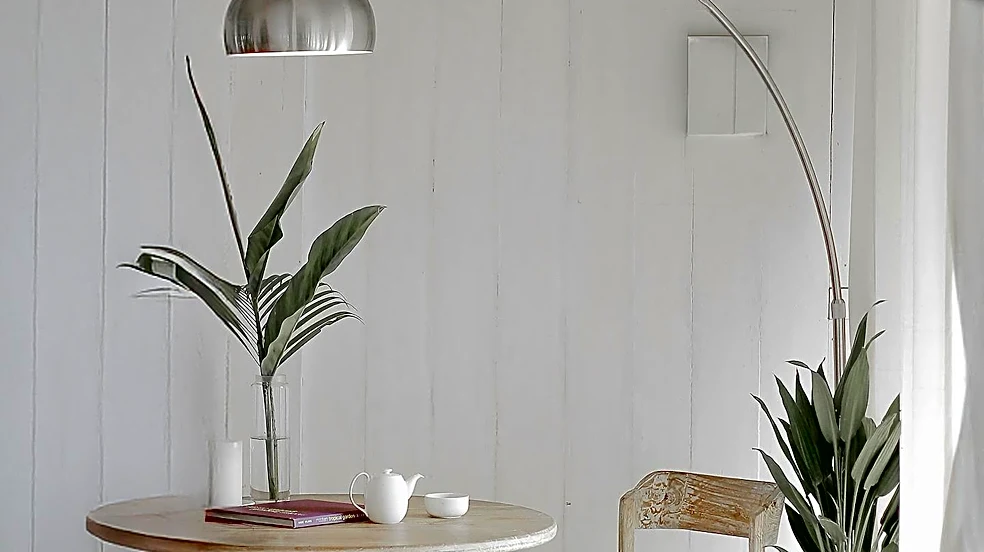
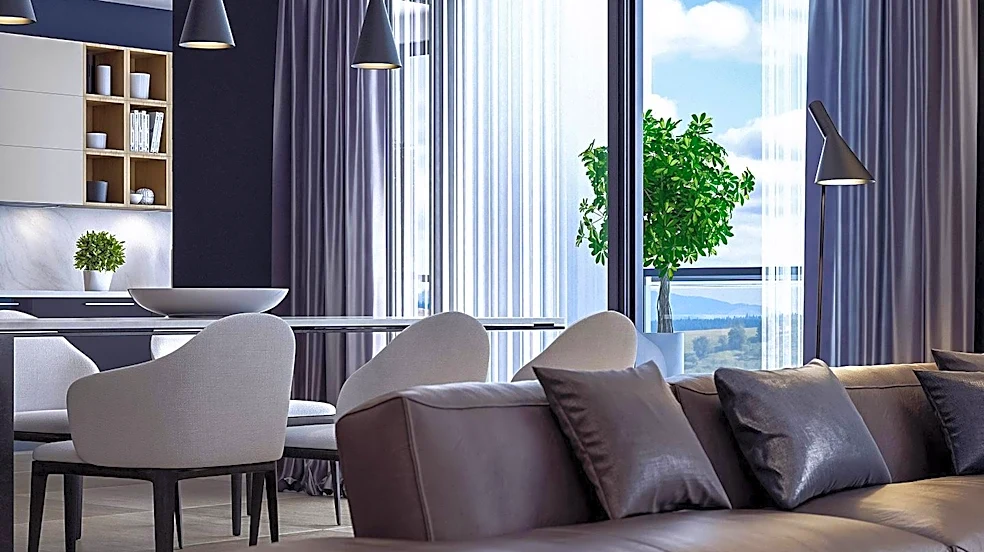
Quiet luxury is an interior design philosophy that prioritizes understated elegance, artisan craftsmanship, and the use of long-lasting materials. This approach favors monochromatic color palettes, rich tactile fabrics, and hand-finished architectural
surfaces over overtly branded or trend-driven decor. In home design, it translates to selecting high-quality furniture and natural materials for their inherent craftsmanship and longevity, rather than for visible branding or fleeting trends. The style values comfort and timeless proportions, aiming to give a home a settled, enduring feel rather than a temporary, showroom appearance. Homeowners adopting this style are not seeking looks that are merely photographable, but rather rooms that feel resolved and where every piece has a purpose and permanence. This design ethos is also reflected in fashion, characterized by subtle branding, premium materials, and timeless designs.
Why It's Important?
The emphasis on quiet luxury in home design signifies a shift in consumer priorities within the U.S. market, moving away from fast-furniture trends and towards more sustainable and investment-worthy pieces. This trend impacts U.S. furniture manufacturers and retailers, encouraging a focus on quality, durability, and classic design over mass-produced, disposable items. It also influences material sourcing, promoting the use of natural fibers like linen, wool, and mohair, and solid materials such as wood, leather, and stone. This preference for enduring quality over transient trends can lead to a more resilient domestic manufacturing sector and a reduced environmental footprint from less frequent furniture replacement. For consumers, it represents a long-term investment in their living spaces, fostering a sense of stability and refined comfort.
What's Next?
The growing interest in quiet luxury suggests a continued demand for high-quality, durable home furnishings and interior design services that prioritize timelessness and craftsmanship. This could lead to increased innovation in sustainable material sourcing and production methods within the U.S. furniture industry. Retailers may adapt by curating collections that highlight artisan-made pieces and natural materials, moving away from fast-fashion home decor. Design professionals will likely see a greater emphasis on creating cohesive, understated, and long-lasting interiors. Brands known for traditional joinery and solid construction, such as Century Furniture and Bernhardt, are well-positioned to meet this evolving consumer preference, potentially expanding their market presence and influence.
Beyond the Headlines
Beyond its aesthetic appeal, the quiet luxury movement reflects deeper cultural and economic shifts. It suggests a desire for authenticity and substance in an increasingly digital and transient world. Ethically, it promotes responsible consumption by valuing longevity and craftsmanship over disposability, potentially reducing waste and supporting skilled artisans. This approach also challenges the notion that luxury must be ostentatious, instead defining it through intrinsic quality and thoughtful design. The focus on creating resolved, comfortable, and enduring spaces can contribute to a greater sense of well-being and stability for homeowners, transforming homes into sanctuaries that reflect personal values rather than external trends.