
What's Happening?
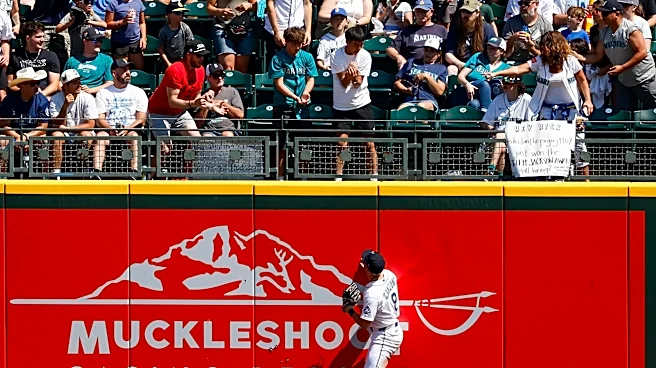
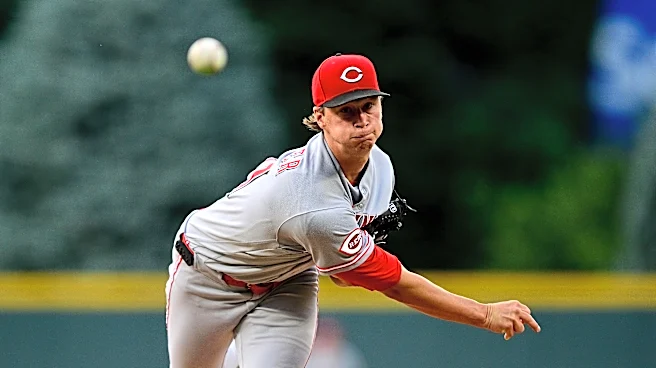
The Seattle Mariners are reportedly exploring trade options for starting pitcher Emerson Hancock as they seek to enhance their offensive lineup with a right-handed hitter. Hancock, who is having a standout
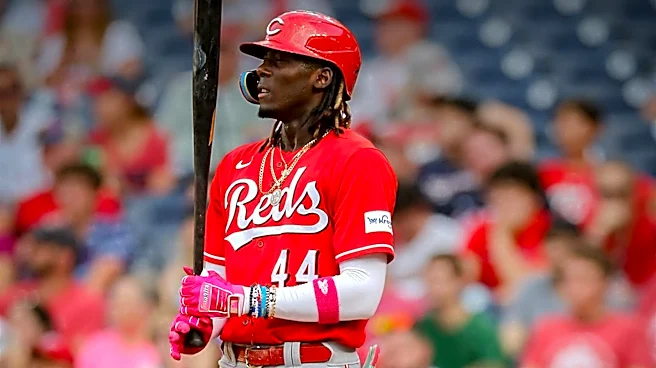
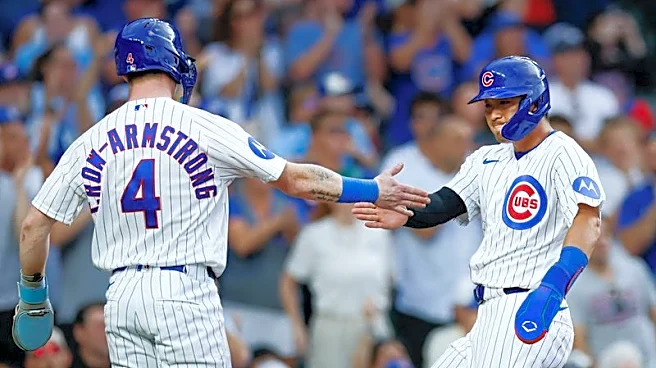
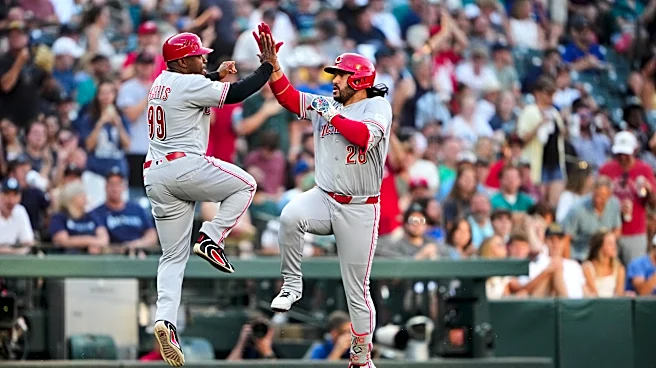
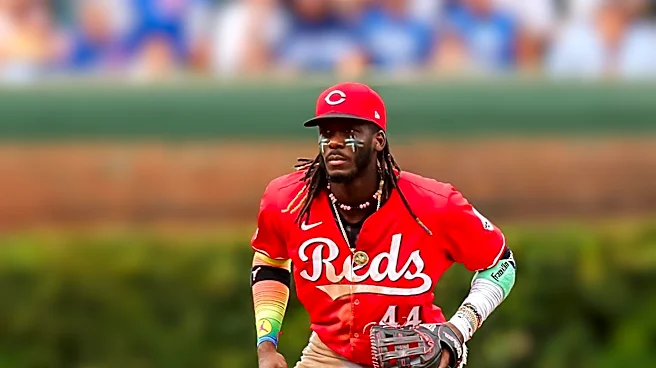
season with a 3.16 ERA over 19 starts, is seen as a valuable asset due to his performance and contract status. The Mariners, currently possessing a deep pitching roster, are considering leveraging this depth to address their offensive inconsistencies. Potential trade partners include the Chicago Cubs and Cincinnati Reds, both of which have players that could fulfill Seattle's need for a right-handed batter. The Cubs, dealing with injuries in their pitching staff, might find Hancock an attractive option, while the Reds' Spencer Steer, known for his power hitting, is reportedly on Seattle's radar.
Why It's Important?
This potential trade is significant as it highlights the Mariners' strategic approach to balance their roster by trading from a position of strength—pitching depth—to address a weakness in their offensive lineup. For the Mariners, acquiring a consistent right-handed hitter could be crucial in improving their standings and playoff prospects. The move also underscores the dynamic nature of MLB team management, where teams must constantly adapt and optimize their rosters to remain competitive. For the Cubs and Reds, acquiring Hancock could bolster their pitching capabilities, providing long-term benefits given his contract and performance. This trade scenario reflects broader trends in MLB where teams are increasingly willing to make bold moves to achieve competitive balance.
What's Next?
As the trade deadline approaches, the Mariners will likely intensify discussions with potential trade partners. The outcome of these negotiations could significantly impact the team's performance in the latter part of the season. If a trade is executed, it will be important to monitor how the new acquisitions integrate into the Mariners' lineup and whether they can provide the offensive boost needed. Additionally, the response from the Cubs and Reds, particularly in terms of their willingness to part with key players, will be crucial in determining the feasibility of these trades. The decisions made in the coming weeks could have lasting implications for all teams involved.