







What's Happening?
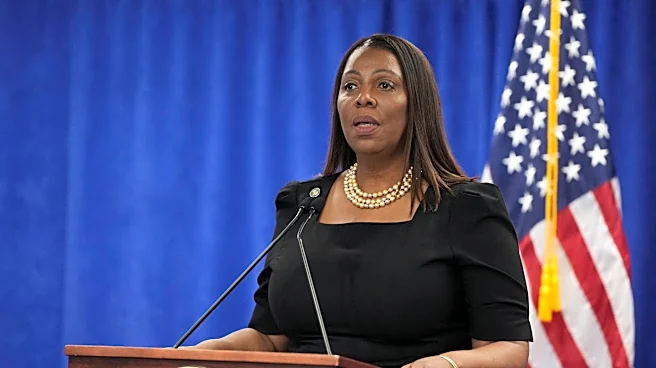
A New York state court has ruled that Zelle must face a lawsuit filed by New York Attorney General Letitia James, alleging that the electronic payment platform facilitated over $1 billion in consumer fraud. The lawsuit claims that Zelle, owned by major
U.S. banks, prioritized market dominance over consumer safety, failing to implement necessary security measures. Despite Zelle's argument that it was not liable for fraud due to 'passive nonfeasance,' the court found sufficient grounds for the case to proceed. Zelle plans to appeal the decision, maintaining that fraud reports are low and that the lawsuit is politically motivated.
Why It's Important?
The lawsuit highlights significant concerns about consumer protection in the rapidly growing electronic payment industry. With Zelle being a major player, the outcome of this case could set a precedent for how digital payment platforms are regulated and held accountable for security breaches. The case underscores the tension between innovation and consumer safety, as companies balance user convenience with the need for robust fraud prevention measures. A ruling against Zelle could lead to stricter regulations and increased scrutiny of similar platforms, impacting their operations and potentially leading to higher compliance costs.
What's Next?
As Zelle prepares to appeal the court's decision, the case will likely continue to draw attention from regulators, industry stakeholders, and consumer advocacy groups. The appeal process could lead to further legal battles, with potential implications for the broader financial technology sector. If the lawsuit results in a ruling favoring the New York Attorney General, it may prompt other states to pursue similar actions against digital payment platforms. Additionally, the case could influence legislative efforts to enhance consumer protection laws and establish clearer guidelines for electronic payment security.