









What's Happening?
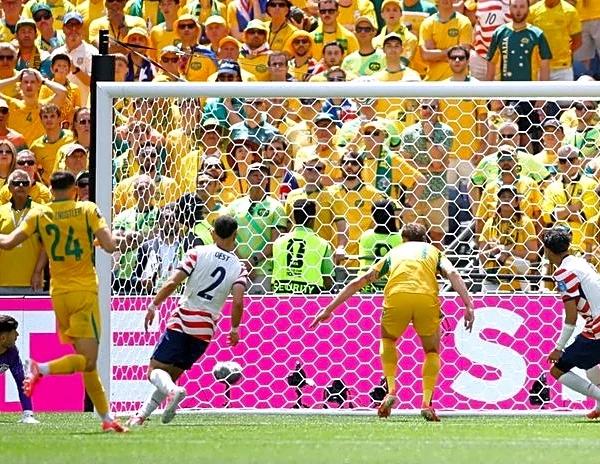
During the FIFA World Cup, teams are increasingly concerned about espionage tactics used by opponents to gain competitive advantages. The U.S. men's national team, for instance, has implemented protocols to detect and neutralize spying attempts, such
as hidden cameras and drones. This concern is not unfounded, as instances of spying have been reported, including the discovery of GoPro cameras in stadiums and drones over training sessions. The issue of spying is prevalent across international soccer, with teams taking various measures to protect their strategies and training sessions from prying eyes.
Why It's Important?
The prevalence of spying in soccer highlights the lengths to which teams will go to secure a competitive edge. This practice raises questions about sportsmanship and the integrity of the game. For the U.S. team, ensuring the confidentiality of their strategies is crucial for maintaining a fair playing field. The broader implications affect international relations within the sport, as accusations of spying can lead to tensions between teams and countries. The measures taken to counteract spying also reflect the evolving nature of sports security, where technology plays a significant role.
What's Next?
As the World Cup progresses, teams are likely to continue enhancing their security measures to prevent espionage. This could involve more sophisticated technology to detect and neutralize spying attempts. Additionally, governing bodies like FIFA may need to establish clearer regulations and penalties for teams caught engaging in espionage. The ongoing issue may also prompt discussions about the ethical boundaries of competitive intelligence in sports, potentially leading to new standards and practices.
Beyond the Headlines
The issue of spying in sports extends beyond immediate competitive concerns, touching on ethical and cultural dimensions. Different regions may have varying attitudes towards espionage, influencing how teams approach security. The reliance on technology for spying and counter-spying efforts also raises questions about privacy and the potential for misuse. Long-term, the normalization of such practices could alter the culture of sportsmanship, prompting a reevaluation of what constitutes fair play.