



What's Happening?
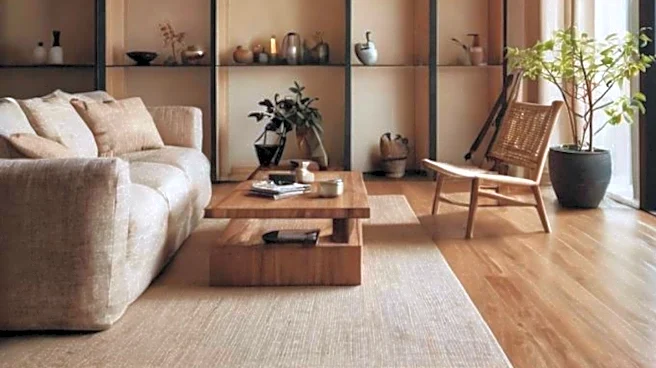
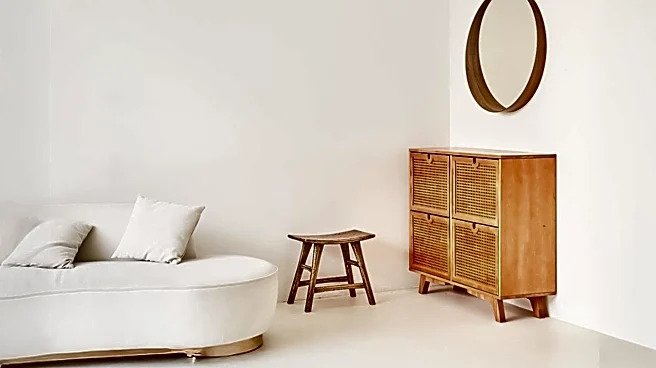
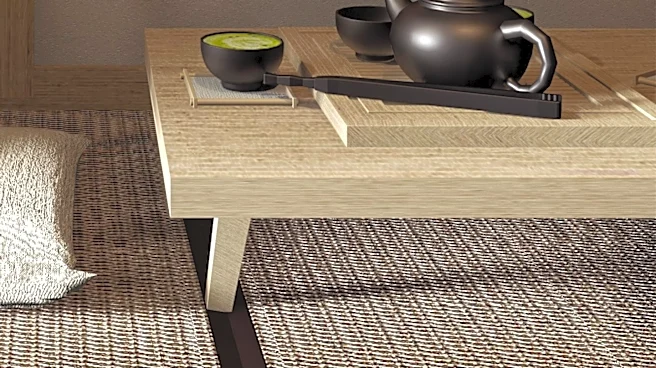
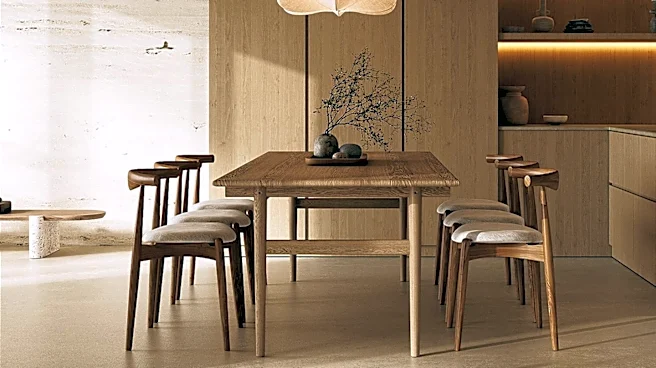
Japandi style, a blend of Japanese minimalism and Scandinavian functionality, is gaining traction for its emphasis on simplicity, nature, and craftsmanship. This design approach focuses on decluttering and retaining only essential items, utilizing natural
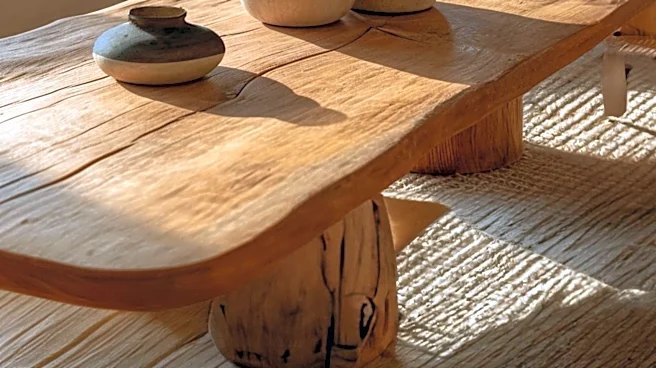
materials such as wood, bamboo, and stone to create serene and purposeful living environments. It is particularly well-suited for compact homes, including modern condominiums, which often feature limited living areas. The style incorporates two key Japanese concepts: 'ma,' which values empty space, and 'wabi-sabi,' an appreciation for natural, imperfect, and aged elements. Rather than relying on thematic props like Buddha statues, Japandi encourages a thoughtful selection of pieces and a warm, three-tone color palette to achieve a calm and inviting atmosphere.
Why It's Important?
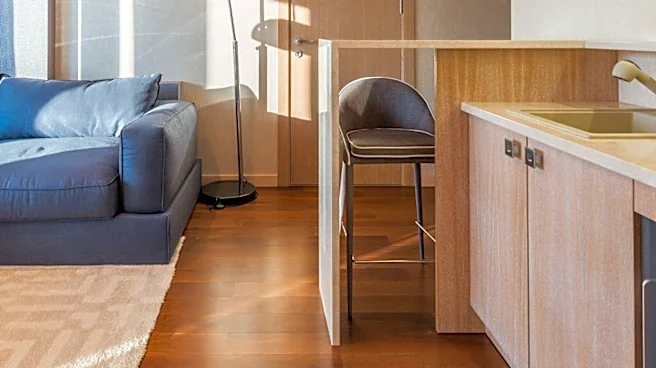
The rise of Japandi style is significant for the U.S. housing market and interior design industry, especially given the trend towards smaller living spaces in urban areas. As more Americans opt for condominiums and compact homes, design philosophies that maximize space and promote tranquility become increasingly valuable. This style offers a practical and aesthetically pleasing solution for residents seeking to create functional yet peaceful environments without feeling cramped. For furniture manufacturers and retailers, this trend signals a demand for simple, durable pieces made from natural materials, emphasizing quality over quantity. It also encourages a shift in consumer behavior towards mindful consumption and decluttering, potentially influencing broader lifestyle choices and the market for home organization solutions.
What's Next?
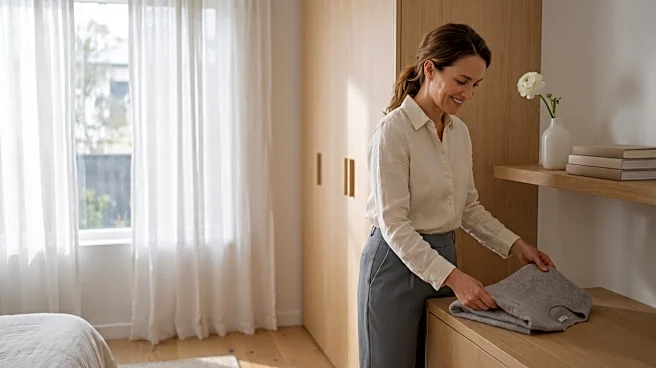
The continued popularity of Japandi style is likely to influence future interior design trends and product development in the U.S. We can expect to see an increase in furniture and decor lines that embody this aesthetic, focusing on clean lines, natural textures, and multi-functional designs suitable for smaller footprints. Interior designers may further specialize in minimalist and Japandi-inspired consultations, catering to clients in urban centers. Educational content and workshops on decluttering and mindful living, aligned with Japandi principles, could also become more prevalent. Furthermore, as sustainability gains importance, the emphasis on natural materials and longevity in Japandi design may resonate with environmentally conscious consumers, driving demand for ethically sourced and durable home goods.
Beyond the Headlines
Beyond its aesthetic appeal, Japandi style reflects a deeper cultural shift towards valuing well-being and intentional living in the U.S. In a society often characterized by consumerism and fast-paced lifestyles, this design philosophy offers a counter-narrative, promoting a sense of calm and mindfulness within the home. The integration of 'ma' and 'wabi-sabi' encourages an appreciation for imperfection and the beauty of empty space, challenging conventional notions of luxury and abundance. This could lead to a re-evaluation of what constitutes a 'desirable' home, moving away from ostentatious displays towards spaces that foster mental clarity and emotional balance. The ethical implications of sourcing natural materials and supporting craftsmanship also align with growing consumer awareness regarding sustainability and responsible production.