









What's Happening?
Nestlé USA has released its 2027 Food and Beverage Trend Forecast, identifying five significant shifts expected to shape American eating and drinking habits in the coming year. The overarching theme of the forecast is that consumers are becoming increasingly
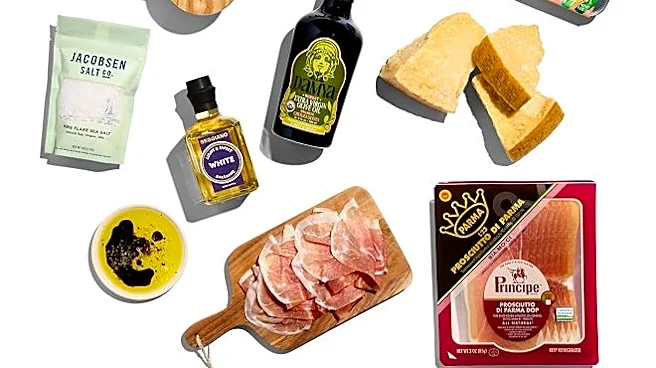
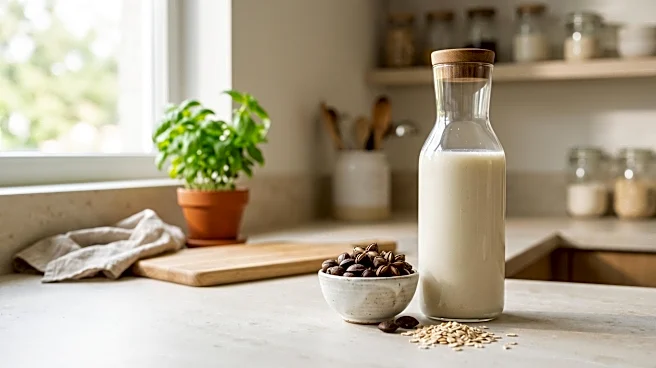
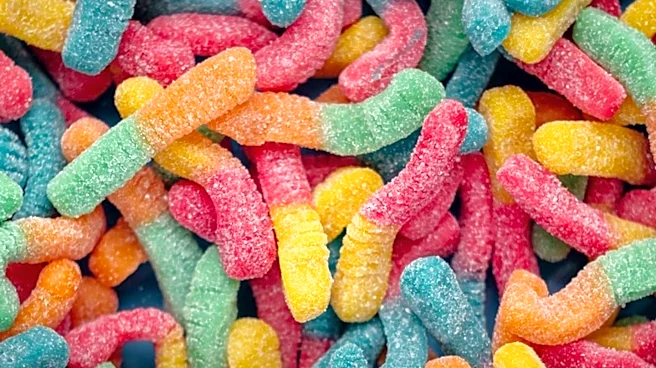
selective, demanding that every food and beverage choice offers substantial value. Linh Phillips, Director, Consumer Insights & Foresight at Nestlé USA, highlighted that consumers are defining 'worth it' on their own terms, whether that means enhanced flavor, specific health benefits, or a personalized experience. The five trends include a growing preference for 'zesty' flavors, with searches for 'zesty foods' up 130% year-over-year and sour category sales climbing 309% since 2022. Another trend is 'Protein&', where consumers expect protein-rich foods to deliver multiple benefits, such as gut health or anti-aging properties, with searches pairing protein with probiotics up 300%. The forecast also notes 'The Juicy Cup,' indicating a rise in fruit-flavored coffees, and 'Global Drops a Pin,' signifying a demand for more regionally specific international cuisines. Finally, 'A Little Extra Goes a Long Way' suggests consumers are seeking sensorial experiences and premium presentation in their food choices.
Why It's Important?
This forecast is crucial for the U.S. food and beverage industry as Nestlé's brands are present in 98% of U.S. households, providing them with a unique insight into consumer behavior. Understanding these trends allows manufacturers, retailers, and food service providers to adapt their product development, marketing strategies, and inventory management to meet evolving consumer demands. Companies that align with these trends, such as offering products with complex flavor profiles, multi-functional benefits, or authentic regional global cuisines, are likely to gain market share. Conversely, those that fail to recognize and respond to these shifts risk losing relevance and consumer loyalty. The emphasis on 'value' being personal means that generic, one-size-fits-all approaches will be less effective, pushing companies to innovate with more targeted and experiential offerings. This could lead to a more diverse and specialized food market, benefiting consumers with a wider array of choices that cater to their specific preferences and values.
What's Next?
In response to these forecasted trends, Nestlé USA and other food and beverage companies are expected to accelerate innovation in product development. This will likely involve creating new products or reformulating existing ones to incorporate 'zesty' and complex flavors, offer 'benefit stacking' with protein, introduce more fruit-forward coffee options, and delve deeper into regionally specific global cuisines. Manufacturers will also focus on enhancing the sensorial experience of their products through appealing presentation, bold flavors, and complex textures. Retailers may adjust their merchandising strategies to highlight products that align with these trends, while food service establishments could update their menus to feature innovative dishes and beverages. The continued monitoring of consumer insights and market data will be essential for companies to stay ahead of these evolving preferences and maintain a competitive edge in the dynamic U.S. food and beverage landscape.
Beyond the Headlines
The Nestlé forecast reflects a broader cultural shift towards more conscious consumption and a desire for personalized experiences. The emphasis on 'value' extending beyond mere price to include flavor, health benefits, and unique experiences suggests a more discerning consumer base. This trend could lead to a greater demand for transparency in sourcing and production, as consumers seek to understand the origins and authenticity of their food. The rise of regionally specific global cuisines also indicates a growing cultural curiosity and an appreciation for diverse culinary traditions, potentially fostering greater cultural exchange through food. Furthermore, the focus on sensorial experiences and 'a little extra' points to a desire for indulgence and emotional connection in an increasingly digital world, where food can serve as a tangible source of pleasure and comfort. This could drive innovation not just in ingredients and flavors, but also in packaging, presentation, and the overall consumption ritual.