






What's Happening?
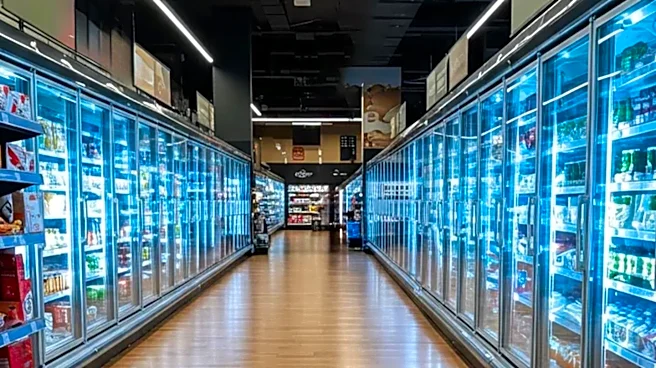
A recent wave of cyberattacks in Europe targeted supermarket refrigeration systems, with hackers remotely increasing temperatures, leading to significant food spoilage and inventory loss. On October 11, hundreds of French supermarkets were affected, followed
by a second wave on November 2 impacting stores in Belgium, Estonia, Ireland, Luxembourg, and Sweden, where freezer temperatures reached 50°C (122°F). These incidents highlight a growing cybersecurity challenge for retailers, as cyber risks now extend beyond digital data to physical operations. U.S. federal agencies have also issued warnings about similar attacks targeting internet-accessible refrigeration controllers in grocery and cold-storage environments, emphasizing the potential for inventory loss and equipment hazards. The issue stems from connected equipment and operational technology, such as refrigeration, HVAC, lighting, and security systems, often being managed by facilities teams or third-party vendors rather than IT departments, creating security blind spots.
Why It's Important?
These cyberattacks underscore a critical vulnerability for U.S. retailers, as the increasing reliance on connected systems for store, warehouse, and distribution network operations introduces new points of exposure. The U.S. retail sector, which heavily utilizes similar connected equipment, faces the risk of substantial financial losses from spoiled inventory, operational disruptions, and potential damage to equipment. Beyond direct financial impact, such incidents can erode consumer trust and damage brand reputation. The attacks reveal that cybersecurity can no longer be treated solely as an IT concern but must be integrated into broader operational resilience and business risk management strategies. Retailers that fail to adequately secure their operational technology stand to lose significantly, while those that invest in robust cybersecurity measures for connected equipment will enhance their resilience and protect their assets.
What's Next?
Retailers are urged to prioritize building cyber resilience by first establishing a comprehensive inventory of all connected operational technology, including equipment with cellular or vendor-managed connections, and assigning clear ownership. Limiting remote access to control systems, strengthening authentication with multifactor options, and thoroughly reviewing third-party access are crucial next steps. Monitoring for unusual logins, setpoint changes, and equipment behavior is also recommended. For legacy technology that cannot be patched or support modern security controls, replacement may be necessary, which could become a capital planning issue for retailers with numerous locations. Furthermore, retailers must develop robust business continuity and incident response plans to address how stores and distribution facilities would operate if connected equipment becomes unreliable due to a cyberattack.
Beyond the Headlines
The incidents highlight a broader shift in the landscape of cyber threats, where attacks are moving beyond data breaches to directly impact physical infrastructure and operations. This raises ethical questions about the responsibility of technology providers and retailers in ensuring the safety and reliability of connected systems that underpin essential services like food supply chains. The attacks also expose a potential gap in regulatory oversight, as operational technology often falls outside the traditional scope of IT security regulations. Long-term, this trend could accelerate the adoption of more secure-by-design principles in industrial control systems and operational technology, fostering a more integrated approach to cybersecurity across an organization's entire digital and physical footprint. The need for cross-departmental collaboration between IT, facilities, and risk management teams will become paramount.