



What's Happening?
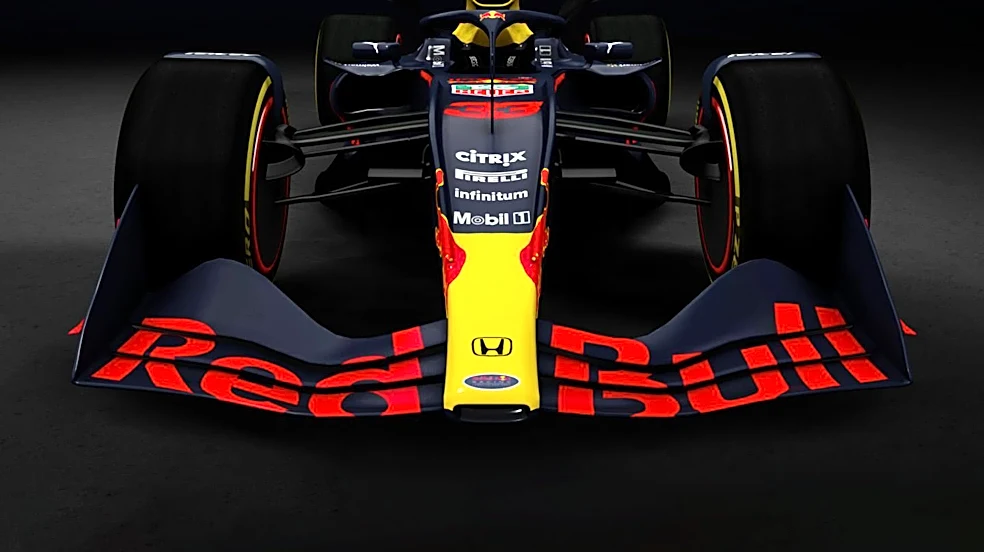
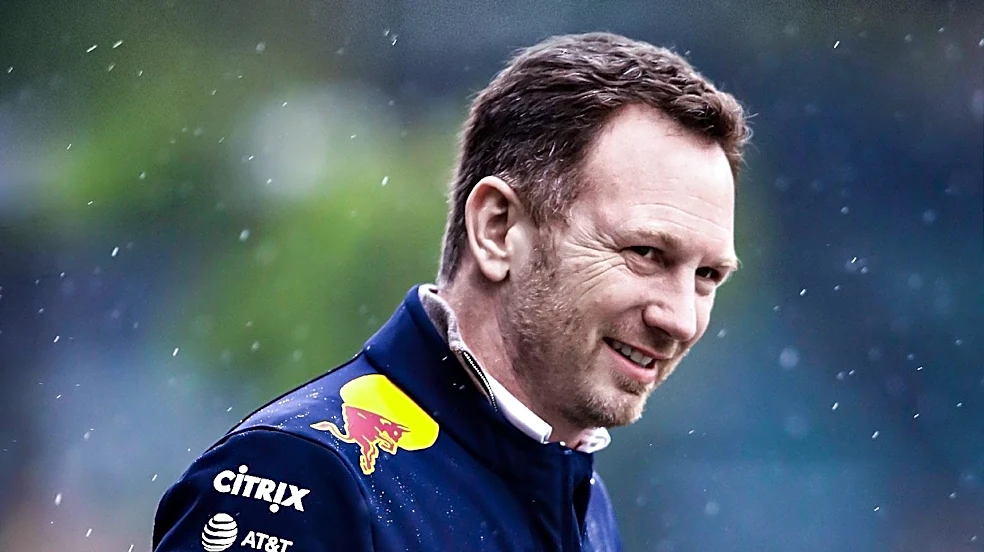
Christian Horner, the Team Principal of Red Bull Racing, has stated that drivers Liam Lawson, Pierre Gasly, and Alex Albon were promoted to the main Red Bull Racing team prematurely. Horner expressed that he held these concerns at the time of their promotions
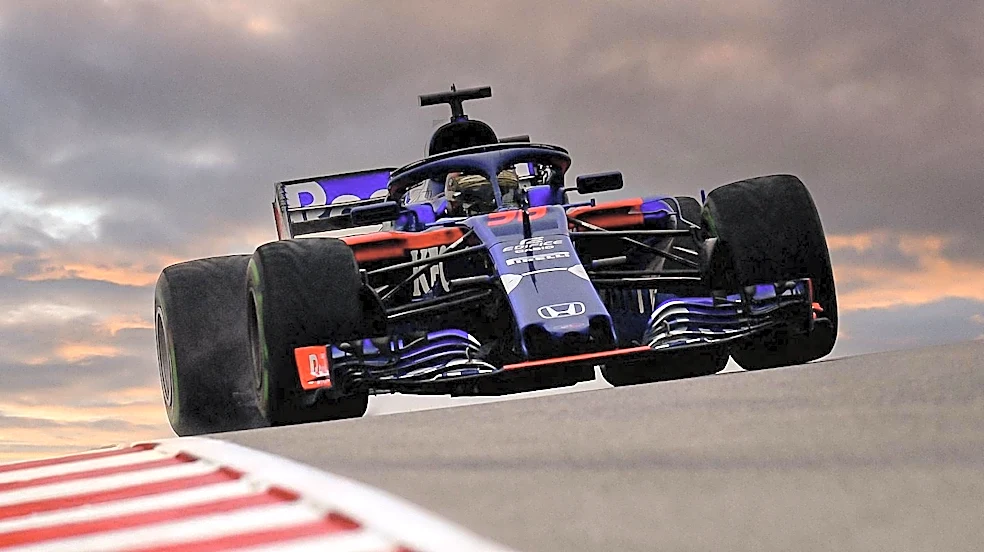
but noted an internal pressure within Red Bull to rapidly advance drivers from the Red Bull Junior Team to justify its existence. He specifically mentioned that in the view of Helmut Marko, who previously headed the junior program, quick promotions were necessary. Horner believes these drivers needed more time to develop and evolve, citing George Russell's longer tenure in a challenging Williams car before his promotion as an example of a more rounded approach. Lawson, for instance, was given only two races at the start of 2025 before being sent back to Racing Bulls, Red Bull's junior F1 team. Horner observed the visible toll the pressure took on these drivers, particularly Gasly and Lawson, when they were placed in a top team against a 'generational talent' like Max Verstappen with limited Formula 1 experience.
Why It's Important?
This admission from Christian Horner highlights a critical aspect of driver development within elite motorsport teams like Red Bull. It suggests a potential conflict between the strategic goals of a junior driver program—which aims to quickly identify and promote talent—and the optimal developmental timeline for individual drivers. The pressure to justify the junior team's existence by rapid promotions may have inadvertently hindered the careers of promising talents by exposing them to top-tier competition before they were fully prepared. This approach contrasts with more gradual development paths seen in other teams, potentially impacting driver confidence and long-term performance. For the drivers involved, it underscores the immense pressure and high stakes of Formula 1, where a brief stint in a top team can define their trajectory. It also raises questions about the balance between nurturing talent and the ruthless demands for immediate results in a highly competitive environment.
What's Next?
The implications of Horner's statements could influence Red Bull's future driver development strategies. While the Red Bull Junior Team has produced multiple world champions like Max Verstappen and Sebastian Vettel, this reflection might lead to a re-evaluation of promotion timelines for emerging talents. Future decisions regarding drivers in the junior program, such as Nikola Tsolov, who is rapidly progressing, may be approached with more caution, prioritizing longer developmental periods in feeder series or the junior F1 team, Racing Bulls. This could mean that drivers might spend more time honing their skills before being considered for the main Red Bull Racing seat, potentially leading to a more stable and experienced driver lineup in the long run. The discussion also opens up broader conversations within Formula 1 about the psychological impact of early promotions and demotions on young athletes.
Beyond the Headlines
Horner's comments delve into the ethical and psychological dimensions of high-performance sports. The 'brutal' execution of Red Bull's driver program, as described, where drivers were 'flavour of the month until you weren’t,' reveals the intense, often unforgiving nature of Formula 1. It highlights the immense mental fortitude required to succeed and the potential for burnout or career derailment when young talents are pushed too hard, too soon. The contrast between Helmut Marko's 'binary' view—that if a driver can't handle pressure, they won't succeed—and Horner's more empathetic perspective on providing a 'parachute' for struggling drivers, illustrates differing philosophies in talent management. This ongoing tension between raw performance demands and holistic athlete development is a critical, often overlooked, aspect of elite sports, with long-term implications for the well-being and sustained success of young athletes.