



What's Happening?
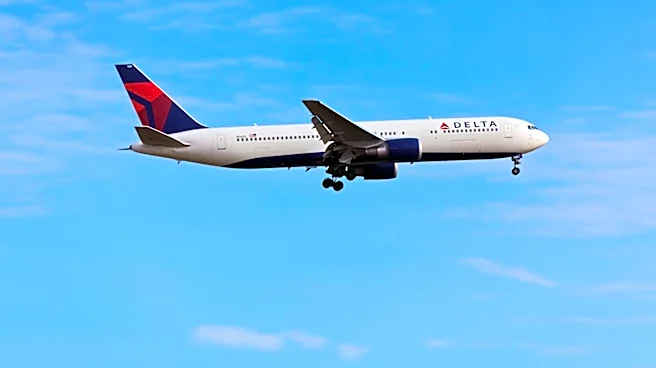
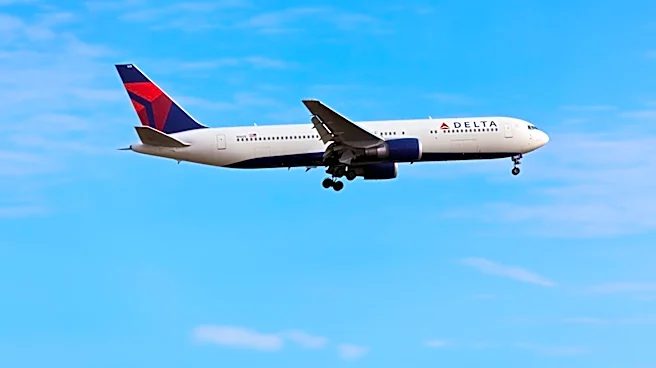
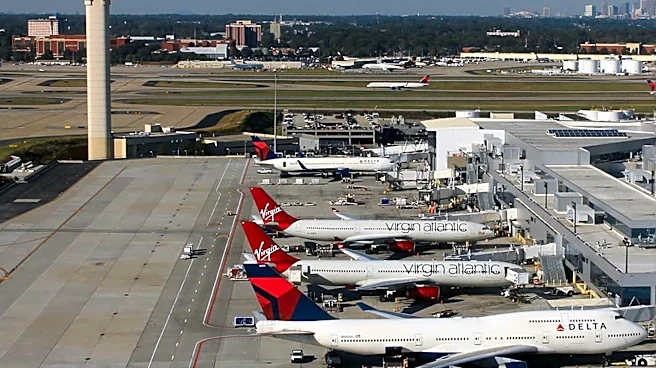
Delta Air Lines CEO Ed Bastian has publicly criticized Heathrow Airport Limited's decision to relocate Delta's operations from Terminal 3 to Terminal 4 in 2028. This move would separate Delta from its transatlantic joint venture partner, Virgin Atlantic.
Bastian labeled the decision as 'short-sighted' and detrimental to airline consumers, indicating that Delta would pursue all available remedies to challenge the decision. Heathrow Airport stated that the terminal reshuffle aims to optimize existing infrastructure in anticipation of future modernization and expansion. The airport claims the changes followed three years of consultation, with airlines representing 81% of Heathrow passengers supporting the final plan, which reportedly involves the fewest airline relocations, requires the least capital expenditure, and can be implemented quickly. Other airlines affected include China Southern Airlines, LATAM Airlines, Finnair, and JAL.
Why It's Important?
This dispute highlights significant operational challenges and strategic disagreements between major airlines and airport authorities. For Delta, the forced separation from Virgin Atlantic at Heathrow could disrupt their integrated operations, potentially impacting the seamless travel experience they aim to provide customers. The joint venture allows for coordinated schedules, shared lounges, and streamlined connections, which are crucial for transatlantic travel. A move to a different terminal could lead to increased transfer times, logistical complexities, and a less convenient experience for passengers connecting between the two airlines. This situation could also set a precedent for how airport authorities manage terminal allocations, potentially affecting other airline alliances and partnerships globally. The financial implications for Delta, in terms of operational adjustments and potential loss of competitive advantage, could be substantial.
What's Next?
Delta Air Lines has indicated its intention to pursue all available remedies to correct Heathrow's decision, suggesting potential legal action or further negotiations. The airline is committed to preserving its seamless travel experience with Virgin Atlantic, which implies a strong resistance to the proposed relocation. Heathrow Airport, on the other hand, is working with the five affected airlines to finalize implementation plans, suggesting they intend to proceed with the reshuffle. The coming months will likely see intensified discussions between Delta and Heathrow, possibly involving legal teams or mediation efforts. The outcome could either be a reversal or modification of Heathrow's plan, a legal battle, or Delta being forced to adapt to the new terminal arrangement, which would necessitate significant operational adjustments and potential strategic realignments with Virgin Atlantic.
Beyond the Headlines
The conflict between Delta and Heathrow extends beyond mere terminal logistics; it touches upon the broader dynamics of airline alliances and airport infrastructure planning in a highly competitive global aviation market. The integrated operations between Delta and Virgin Atlantic are a cornerstone of their transatlantic strategy, designed to offer a unified product to consumers. Disrupting this integration could undermine years of strategic partnership building and investment. Furthermore, this situation underscores the power airports wield over airlines, as they control critical infrastructure. It raises questions about the extent to which airport decisions prioritize operational efficiency over airline strategic partnerships and passenger convenience. The resolution of this dispute could influence future airport development plans and how airlines negotiate their operational footprints at major international hubs, potentially leading to more robust contractual agreements or regulatory oversight regarding terminal assignments.