



What's Happening?
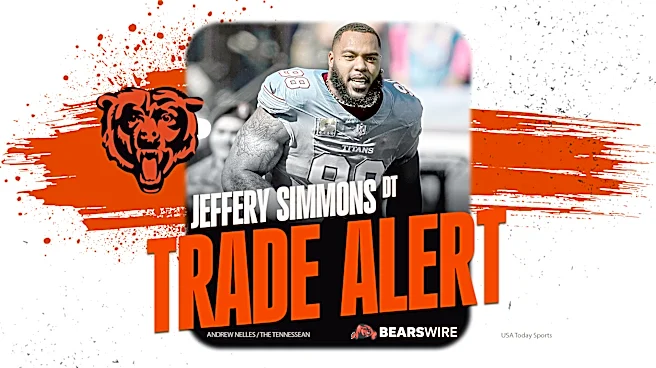
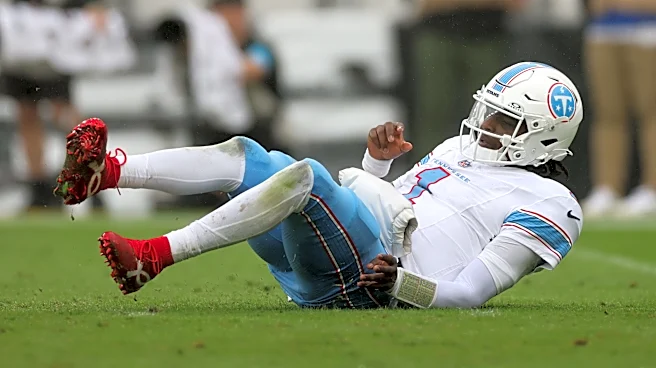
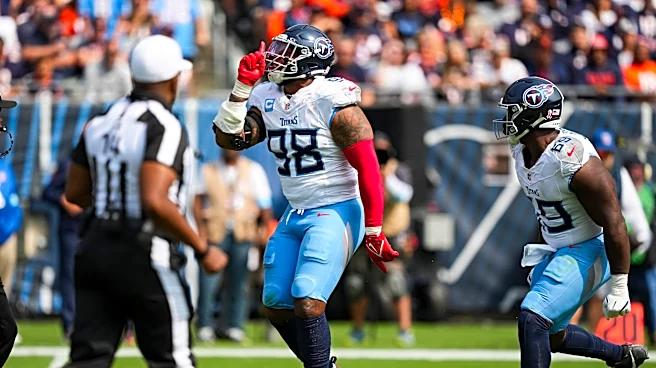
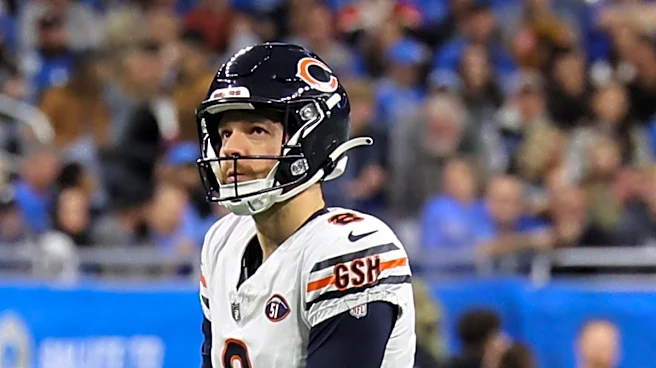
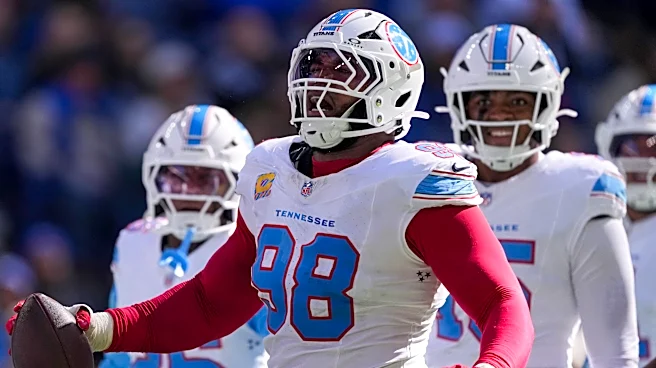
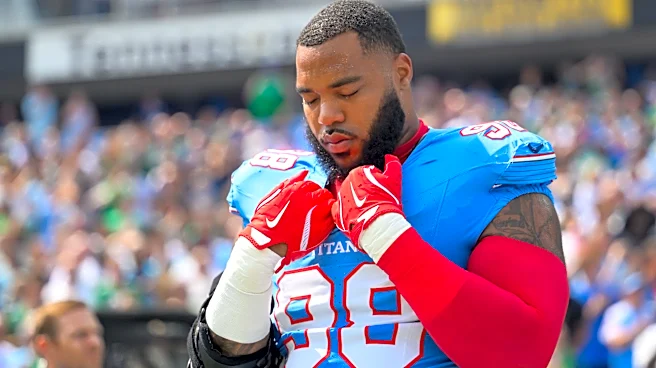
The Chicago Bears recently acquired interior defensive lineman Jeffery Simmons from the Titans in exchange for two first-round picks (2027 and 2028) and a 2027 fourth-round pick, while receiving a 2027 fifth-round pick back. This high-stakes trade reflects
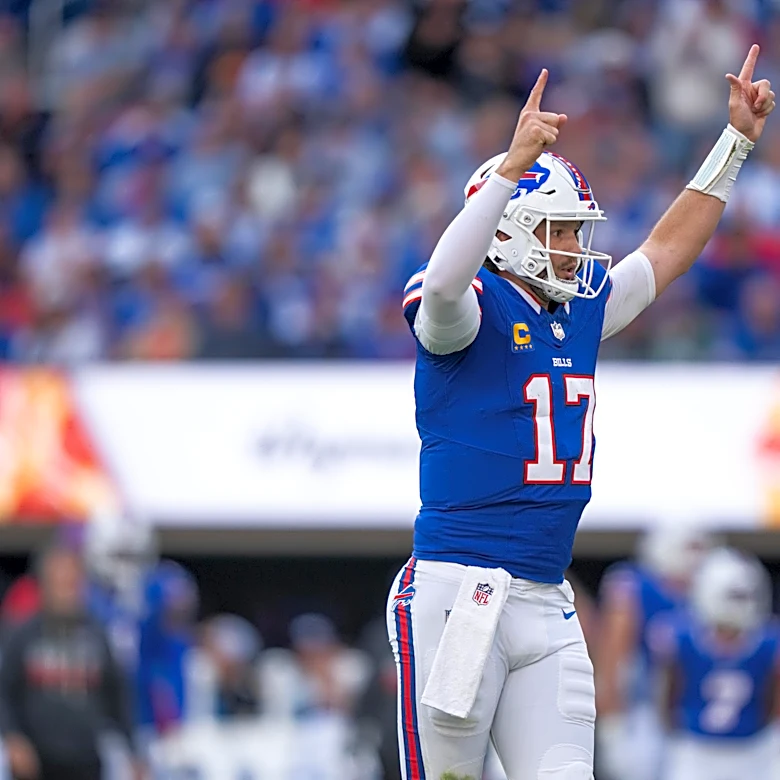
the Bears' belief that Simmons will elevate them from a playoff contender to a Super Bowl threat, particularly given their confidence in quarterback Caleb Williams and the current roster. Historically, trades involving multiple first-round picks for a single player have yielded mixed results in the NFL. Notable examples include the Matthew Stafford trade to the Rams, which led to a Super Bowl win, and the Russell Wilson trade to the Broncos, which is widely considered a failure. Other trades, such as those for Herschel Walker, Eric Dickerson, and Jamal Adams, also largely failed to deliver the desired championship success.
Why It's Important?
This trade is significant because it represents a substantial investment by the Bears, risking future draft capital for immediate impact. The success or failure of such a move can drastically alter a franchise's trajectory for years. If Simmons helps the Bears achieve a Super Bowl victory, it could validate aggressive trade strategies in the NFL. Conversely, if the team falls short, it could set back their rebuilding efforts by depleting valuable draft assets. The historical context of similar trades highlights the inherent risk: while some have led to championships, many have not, often failing to deliver the expected return on investment. This trade will be closely watched as a case study in the ongoing debate about the value of proven talent versus future draft capital in professional sports.
What's Next?
The immediate focus will be on Jeffery Simmons' performance with the Chicago Bears and the team's overall success in the upcoming seasons. The true measure of the trade's effectiveness will be whether the Bears can achieve a Super Bowl win within the next few years. The outcome will influence future team-building strategies across the NFL, particularly regarding the willingness of general managers to part with multiple first-round picks for veteran players. If the Bears succeed, it could encourage more teams to make similar aggressive moves. If they fail, it might reinforce a more conservative approach to draft capital. The performance of quarterback Caleb Williams will also be critical, as the trade is predicated on the existing roster being on the cusp of championship contention.
Beyond the Headlines
The Bears' trade for Jeffery Simmons underscores a philosophical divide in NFL team management: the 'all-in' approach versus patient roster building through the draft. This move reflects a growing trend among teams to prioritize immediate championship contention, especially when a franchise believes it has a foundational quarterback. The ethical implications revolve around the pressure on players acquired in such high-value trades; they carry immense expectations to deliver immediate and significant results. Furthermore, the long-term impact on team culture and fan expectations can be profound. A successful trade can galvanize a fanbase, while a failed one can lead to prolonged frustration and organizational instability, highlighting the delicate balance between ambition and prudent management in professional sports.