







What's Happening?
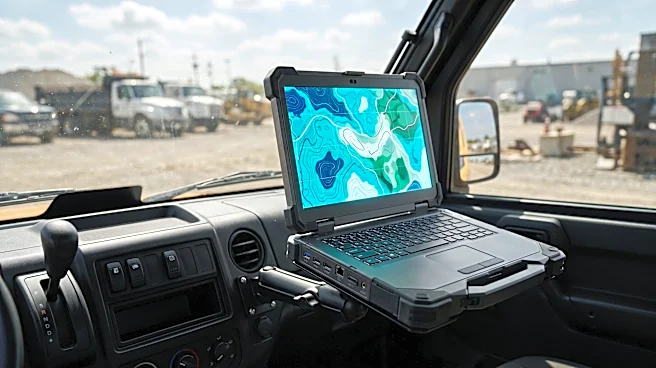
Dell has released an updated version of its Pro Rugged 14 semi-rugged laptop, now featuring Intel Core Ultra Series 3 processors and an optional NVIDIA RTX PRO 500 Blackwell GPU. This 14-inch system also incorporates replaceable LPCAMM2 memory, allowing
for configurations up to 64GB. Processor options include the Core Ultra 5 335, Core Ultra 5 336H, and the top-tier Core Ultra 7 366H, which can be paired with the NVIDIA RTX PRO 500 Blackwell GPU equipped with 6GB of GDDR7 memory. Other configurations utilize Intel integrated graphics. The laptop offers 16GB, 32GB, and 64GB LPCAMM2 modules running at up to 8533 MT/s, a significant change from soldered LPDDR memory. Storage options range from 512GB to 2TB, including PCIe Gen5 self-encrypting SSDs. The display is a 14-inch 1920x1200 with a 16:10 aspect ratio, available in 400-nit or 1100-nit outdoor-viewable versions, with touch configurations also offered. The system includes a 53.5Wh battery, with an option for a second, and supports Wi-Fi 7, optional Snapdragon X72 5G, GPS, and antenna pass-through for vehicle installations. Connectivity features two Thunderbolt 4 ports, two USB-A ports, HDMI 2.1, Ethernet, RS232, and a configurable rear I/O bay. The laptop, starting at 2.13kg and 33.6mm thick without protective bumpers, is certified to withstand 3-foot (90cm) drops. The new Pro Rugged 14 PR514260 starts at $3,945, with the final price varying based on chosen specifications.
Why It's Important?
The refresh of Dell's Pro Rugged 14 laptop is significant for industries requiring durable and high-performance computing in challenging environments. The inclusion of Intel Core Ultra Series 3 processors and the optional NVIDIA RTX PRO 500 Blackwell GPU enhances the device's capability for demanding tasks, including those involving AI and complex data processing, directly impacting sectors like public safety, energy, and field operations. The shift to replaceable LPCAMM2 memory offers greater flexibility and longevity for users, allowing for easier upgrades and maintenance compared to soldered memory solutions. This is particularly beneficial for organizations with long deployment cycles for their hardware. The rugged design, certified for 3-foot drops and capable of operating in extreme temperatures, ensures reliability in mission-critical scenarios where standard laptops would fail. The advanced connectivity options, including Wi-Fi 7 and optional 5G, support seamless communication and data transfer in remote or mobile settings. The starting price of $3,945 reflects the specialized nature and advanced features of this device, targeting professional and enterprise markets where durability and performance are paramount, rather than the general consumer market. This product reinforces Dell's commitment to providing specialized solutions for niche markets with stringent requirements.
What's Next?
Following the launch of the updated Pro Rugged 14, Dell will likely focus on marketing its enhanced capabilities to key industrial and governmental clients. The company may offer specialized bundles or customization options to cater to specific sector needs, such as defense, utilities, or emergency services. Dell's sales teams will emphasize the laptop's durability, advanced processing power, and AI capabilities as competitive advantages in bids for large-scale deployments. We can anticipate Dell to monitor market reception and gather feedback from early adopters to inform future iterations or expansions of its rugged product line. The adoption of replaceable LPCAMM2 memory could set a precedent for future Dell products, potentially influencing industry trends towards more modular and repairable designs. Furthermore, the integration of cutting-edge components like the NVIDIA RTX PRO 500 Blackwell GPU suggests a strategic push by Dell to position its rugged devices at the forefront of edge computing and AI applications in harsh environments. This could lead to increased partnerships with software developers specializing in industrial AI and data analytics to optimize applications for the new hardware.
Beyond the Headlines
The introduction of the Dell Pro Rugged 14 with advanced processing and GPU capabilities highlights a broader trend in the technology industry: the increasing demand for robust, high-performance computing solutions at the 'edge'—away from traditional data centers. This development underscores the growing importance of on-device AI and data processing in environments where connectivity may be limited or unreliable. The emphasis on durability and extreme operating conditions reflects a societal need for technology that can withstand the rigors of critical infrastructure management, disaster response, and remote scientific research. Ethically, providing such powerful tools to field workers can enhance safety and efficiency, but it also raises questions about data security and privacy in potentially vulnerable locations. The move towards replaceable memory modules, while practical for users, also subtly challenges the industry's trend towards less repairable devices, potentially influencing consumer expectations and regulatory discussions around the 'right to repair.' This product is not just a laptop; it's a testament to the evolving landscape of computing, where the boundaries between traditional office work and demanding field operations are blurring, driven by the imperative to bring computational power closer to the source of data and action.