
What's Happening?
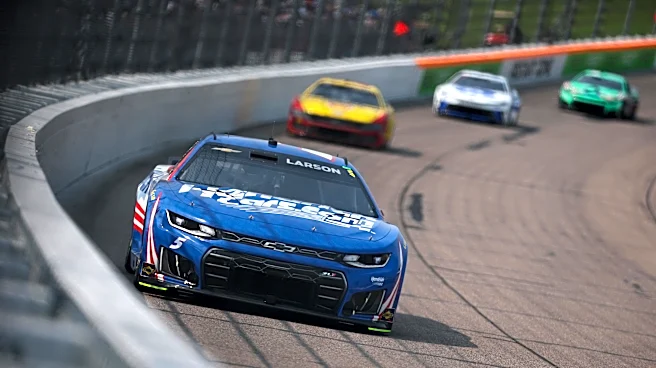
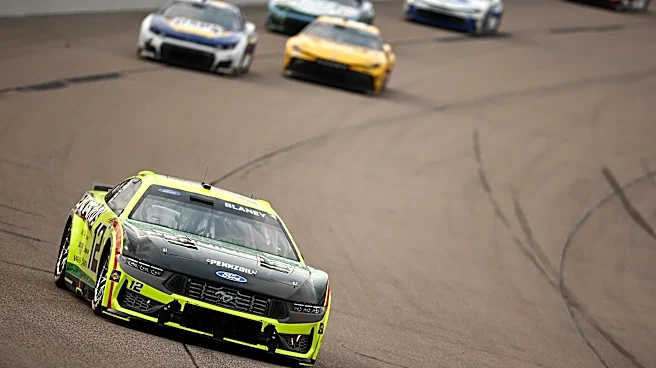
NASCAR has revealed several rule changes for the 2027 season, with a significant focus on increasing horsepower at various tracks to enhance Cup Series racing. Starting with the Coca-Cola 600 at Charlotte Motor Speedway in late May, horsepower at intermediate-sized
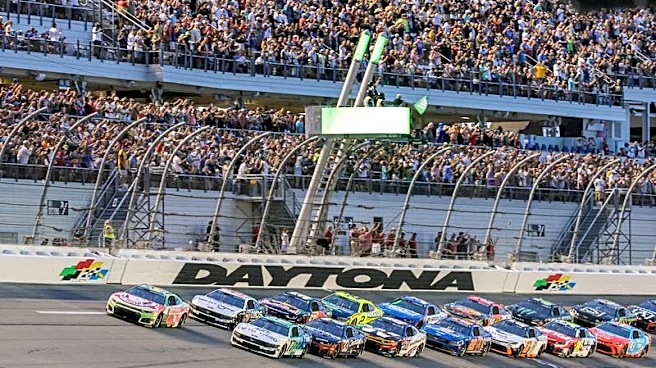
tracks will be raised from 670 to 750. Additionally, the All-Star Race at North Wilkesboro Speedway on May 23 will see an even greater increase to 800 horsepower. Following this event, NASCAR and engine builders will analyze race data to determine if this higher horsepower will be implemented for all short-track and road-course events, potentially beginning at Bristol Motor Speedway in mid-August. Other changes include a qualifying-specific setup for Daytona International Speedway and Talladega Superspeedway to restore qualifying speeds to 200 mph, the removal of splitter stuffers at short tracks and road courses, and the elimination of minimum damper length rules to offer teams more setup options. NASCAR also clarified rules for assigning starting positions when qualifying is affected by weather and defined what constitutes driving below the double-yellow line.
Why It's Important?
These rule changes are critical for the future of NASCAR Cup Series racing, aiming to improve the on-track product and increase excitement for fans. The horsepower increase, particularly at intermediate tracks, is expected to lead to more competitive racing, allowing drivers greater control over their cars and potentially creating more passing opportunities. This could significantly impact race strategies and driver performance, favoring those who can best manage the increased power. The adjustments to qualifying procedures and car setups, such as the removal of splitter stuffers and minimum damper length rules, provide teams with more flexibility and strategic choices, potentially leading to diverse car setups and closer competition. For sponsors and broadcasters, more engaging races could translate to higher viewership and greater return on investment. The changes reflect NASCAR's ongoing effort to evolve the sport and address feedback regarding race quality, directly affecting the entertainment value and competitive landscape of the series.
What's Next?
The immediate next step involves the implementation of these rule changes for the 2027 NASCAR season, beginning with the horsepower increase at intermediate tracks. The All-Star Race at North Wilkesboro Speedway will serve as a crucial test for the 800-horsepower package, with data from this event informing decisions about its broader application to short tracks and road courses. Teams and manufacturers will be working to adapt their strategies and car setups to optimize performance under the new regulations. Drivers will need to adjust their driving styles to handle the increased horsepower, which could lead to shifts in competitive dynamics. The success of these changes will be closely monitored by NASCAR officials, teams, drivers, and fans, with potential further adjustments or refinements based on the observed impact on racing quality and safety throughout the 2027 season.
Beyond the Headlines
The decision to increase horsepower reflects a broader philosophical shift within NASCAR, moving towards a more driver-centric and less aerodynamically dependent form of racing. For years, discussions have revolved around the balance between raw power and aerodynamic grip, with many advocating for more power to put greater emphasis on driver skill. This move could reignite debates about the 'Next Gen' car's design philosophy and its long-term evolution. Furthermore, the changes highlight the continuous challenge of maintaining competitive parity while fostering innovation in a high-stakes professional sport. The analysis of race data from the All-Star Race will be a critical example of data-driven decision-making in sports governance, potentially setting a precedent for how future rule modifications are evaluated and implemented. This ongoing evolution is essential for NASCAR to remain relevant and exciting in a competitive sports entertainment landscape.