





What's Happening?
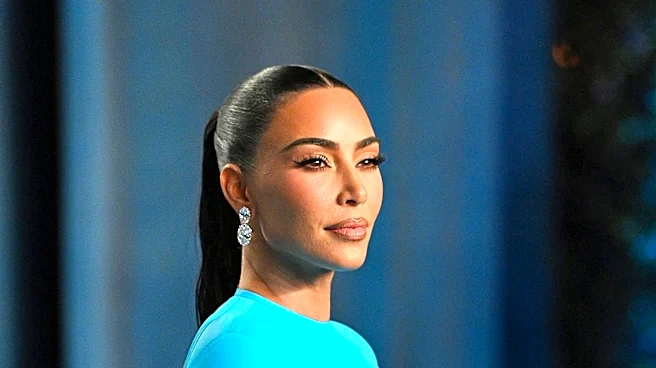
Kim Kardashian's brand, SKIMS, has faced significant backlash over its $148 (AU$218) advent calendar, with customers expressing widespread disappointment regarding its contents. The 'accessories advent calendar' included items such as scrunchies, branded
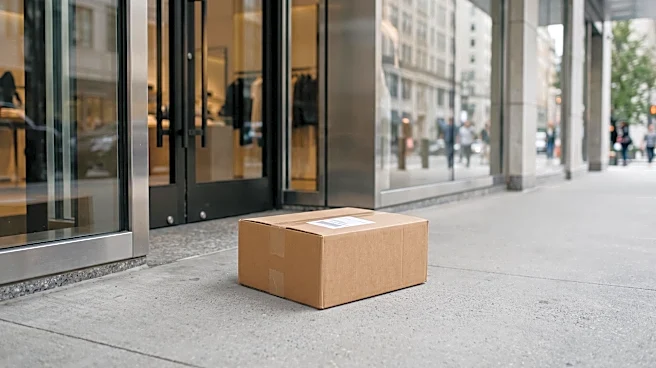
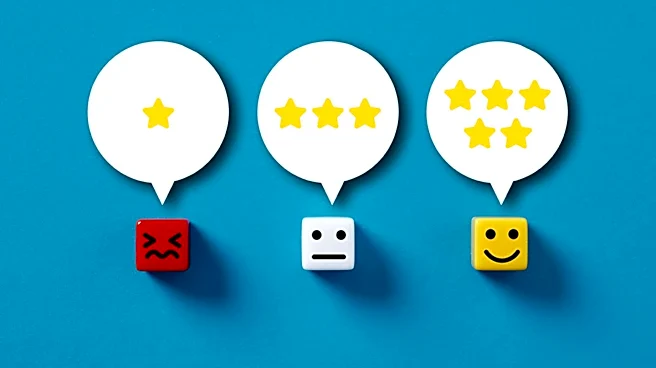
bobby pins, keychains, hair clips, headbands, and a squishy toy. Many customers who shared unboxing videos on social media, including a viral TikTok review with over 76 million views, deemed the items to be of low value and not commensurate with the price. Critics described the contents as 'disrespectful' and likened them to 'a box full of pranks' or items found 'under your couch.' In response to the criticism, SKIMS issued a statement acknowledging the feedback and offering customers a choice of a full refund or store credit for their purchase. Despite the controversy, the advent calendar is currently sold out, with a waitlist available.
Why It's Important?
This incident highlights the growing importance of consumer expectations and social media influence in the e-commerce landscape, particularly for celebrity-backed brands. For SKIMS, a brand built on Kim Kardashian's personal image and marketing prowess, negative public perception can significantly impact brand loyalty and future sales. The rapid spread of dissatisfaction through platforms like TikTok demonstrates the power of user-generated content in shaping brand reputation. This event serves as a cautionary tale for businesses, emphasizing the need for transparency in product offerings and ensuring that perceived value aligns with pricing. The company's swift response with refunds and store credit is crucial for damage control and maintaining customer trust, which is vital for long-term success in the competitive fashion and accessories market. This situation could influence how other celebrity brands approach product launches and customer service.
What's Next?
SKIMS will likely continue to process refunds and store credits for affected customers, aiming to mitigate further negative sentiment. The company's statement indicated that customer feedback would 'directly shape how we approach future releases,' suggesting potential changes in product development, pricing strategies, and marketing for upcoming collections. This incident may lead to more rigorous quality control and value assessment for future SKIMS products, especially limited-edition or high-priced items. Other brands, particularly those in the celebrity-backed or luxury accessory market, may review their own advent calendar or mystery box offerings to avoid similar controversies. The long-term impact on SKIMS' brand image will depend on how effectively they address customer concerns and rebuild trust through future product offerings and communication.
Beyond the Headlines
This controversy delves into broader implications concerning consumer culture, perceived value, and the ethics of celebrity endorsements. The significant price point for what many considered low-value items raises questions about whether consumers are paying for the brand name and celebrity association rather than the intrinsic worth of the products. It also highlights the psychological aspect of 'unboxing' culture, where the experience itself can sometimes overshadow the product. The backlash underscores a shift in consumer power, where collective online voices can hold even major brands accountable. This event could prompt a re-evaluation of marketing tactics that rely heavily on exclusivity and limited availability, pushing brands to prioritize product quality and customer satisfaction over hype. It also touches on the environmental impact of disposable or low-quality goods, as consumers become more conscious of sustainable consumption.