



What's Happening?
Reggaeton, a genre that originated in Puerto Rico in the late 1990s, has undergone significant evolution, blending Afro-Caribbean rhythms, hip-hop, and Latin beats. Initially rooted in underground street culture, it has now achieved mainstream success,
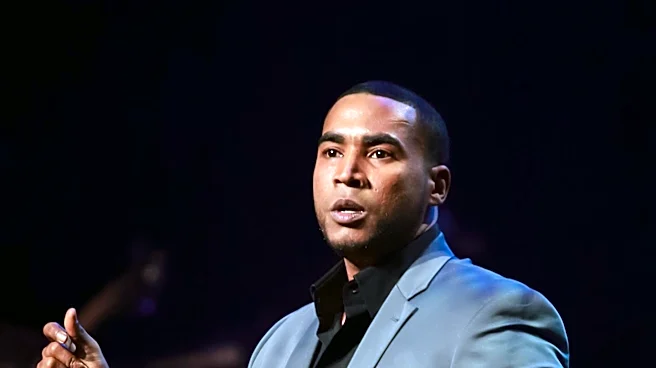
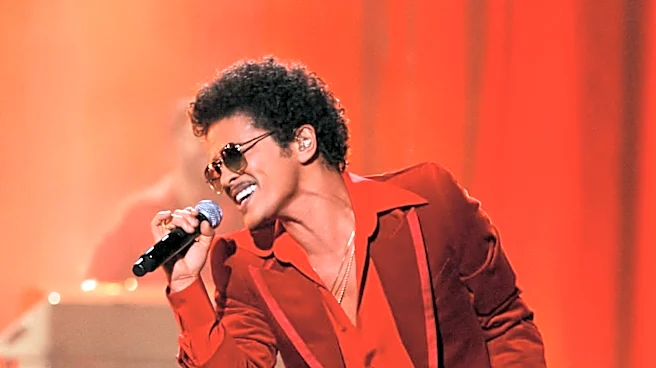
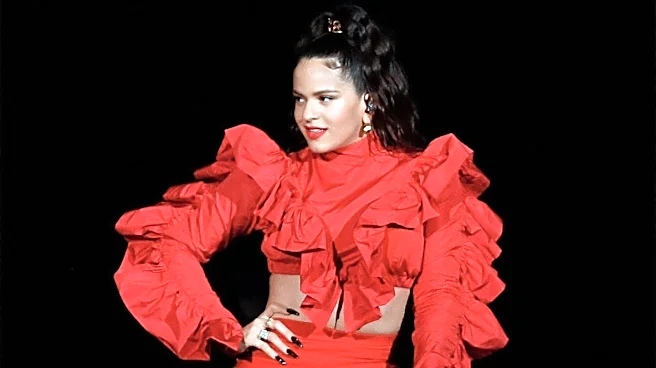
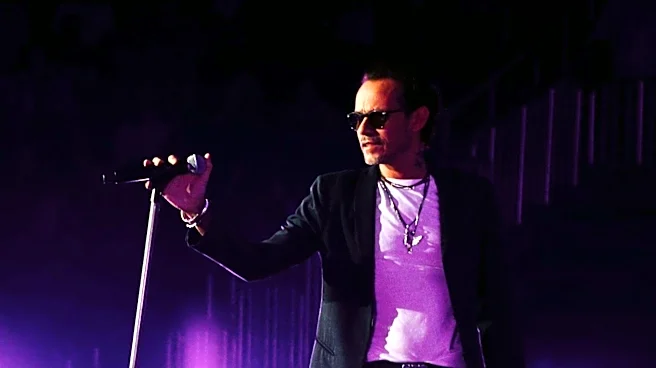
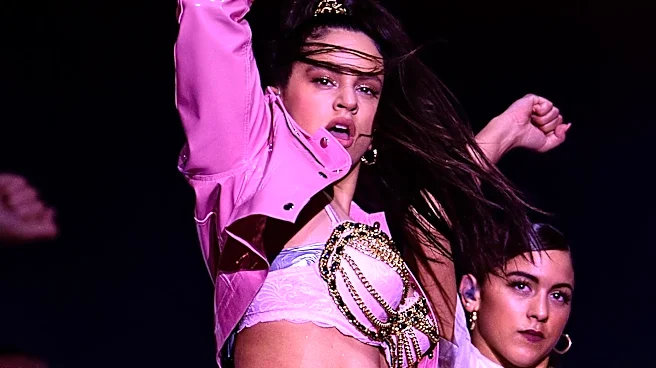
captivating audiences worldwide. Artists like Daddy Yankee, Don Chezina, and Tego Calderón were pioneers, shaping the genre's early sound. Today, reggaeton is a global phenomenon, with artists such as J Balvin, Bad Bunny, and Rosalía pushing its boundaries through innovative collaborations and diverse musical influences.
Why It's Important?
The rise of reggaeton highlights the cultural exchange and fusion of musical identities across the Caribbean and Latin America. It reflects a broader movement of racial and cultural expression, emphasizing Blackness as integral to Puerto Rican life while challenging Euro-American cultural dominance. The genre's mainstream success underscores its role in shaping contemporary Latin music and its influence on global pop culture. Reggaeton's ability to adapt and incorporate various styles has made it a dynamic force in the music industry, appealing to diverse audiences and fostering cross-cultural connections.
What's Next?
As reggaeton continues to evolve, it is likely to see further experimentation and collaboration with artists from different genres and regions. The genre's adaptability suggests it will remain a significant influence in the music industry, potentially leading to new sub-genres and innovative musical expressions. Upcoming events like the I Love Reggaeton festival in Santiago de Chile, featuring artists like Vico C and Baby Rasta & Gringo, indicate ongoing interest and investment in reggaeton's future. The genre's trajectory suggests it will continue to shape and be shaped by global musical trends.