






What's Happening?
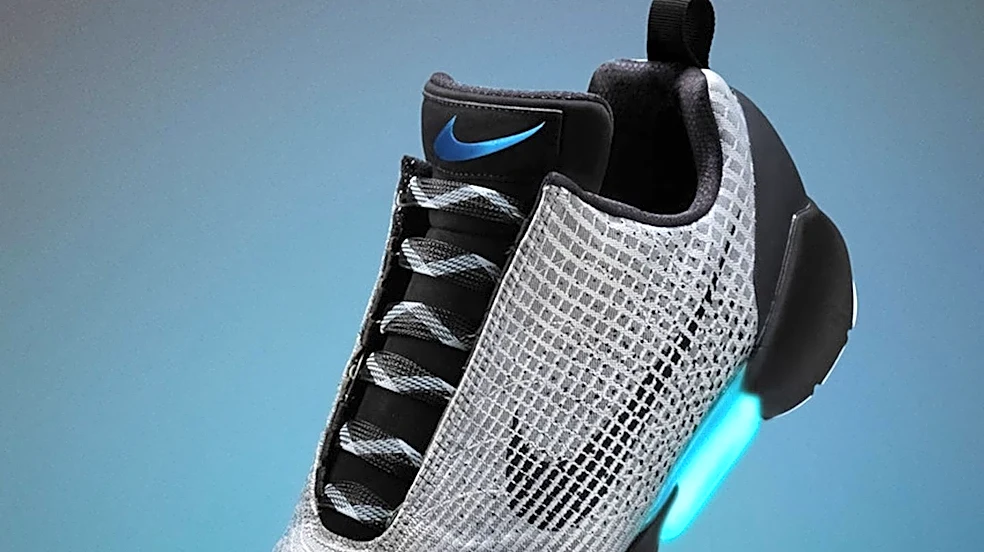
Genon, a South Korean generative AI solutions startup, has successfully completed mass-production validation for its Vision AI inspection technology used in Nike footwear manufacturing. This technology, developed last year, automatically identifies defective
outsoles by analyzing surfaces captured with industrial high-resolution cameras and specialized lighting. The validation achieved defect detection rates of 99.7% and 99.2% on two different footwear styles, meeting Nike Footwear's final requirements. This achievement paves the way for the commercial deployment of Genon's AI solution, with development for a mass-production model set to begin before the end of the year and deployment starting in 2027. Following this success, Genon has also secured new contracts in Indonesia, including a Vision AI project to detect micro-defects in shoe uppers and a Physical AI contract to automate outsole-pressing tasks using collaborative robots and vision cameras. These new contracts aim to enhance quality control and production efficiency across footwear manufacturing.
Why It's Important?
This development signifies a significant advancement in the application of AI in manufacturing, particularly within the footwear industry. The high defect detection rates achieved by Genon's Vision AI technology demonstrate its potential to drastically improve quality control and reduce manufacturing errors, which can lead to substantial cost savings and enhanced product reputation for companies like Nike. The expansion of AI into detecting micro-defects in complex areas like stitched uppers and automating repetitive tasks with collaborative robots indicates a broader shift towards intelligent automation in production lines. This not only boosts efficiency and consistency but also allows for 24-hour continuous operation, addressing labor challenges and increasing output. For the U.S. market, this could mean higher quality imported goods and potentially influence domestic manufacturing to adopt similar AI-driven solutions to remain competitive, impacting supply chains and manufacturing job roles.
What's Next?
Genon plans to begin developing the mass-production model for its Nike footwear inspection technology before the end of the year, with deployment scheduled to start in 2027. This initial deployment will be followed by a phased expansion to more products and production lines. The company will also continue to pursue Vision AI and Physical AI opportunities to strengthen its presence in Indonesia. Beyond footwear, Genon is exploring applications in other industries, such as shipbuilding and offshore sectors, with an AI solution already under development for IKM Group to analyze vessel documents and generate work-plan reports. Genon's CEO, Seok Tae Ko, emphasized the importance of understanding real production environments and on-site deployment capabilities for competitiveness in AI manufacturing automation, indicating a focus on deepening collaboration with local customers and advancing execution capabilities for sustainable overseas growth.
Beyond the Headlines
The successful validation and expansion of Genon's AI solutions highlight a growing trend towards sophisticated automation in global manufacturing. This shift raises deeper implications regarding the future of labor, particularly in industries with repetitive or highly precise tasks. While AI and robotics promise increased efficiency and quality, they also necessitate a re-evaluation of workforce skills and potential job displacement. The ability of AI to learn skilled motions from human operators, as mentioned in the Physical AI contract, suggests a future where human expertise is transferred to machines, creating a hybrid workforce model. Furthermore, the focus on micro-defect detection and continuous operation points to an era of hyper-optimized production, where quality standards can be maintained at unprecedented levels. This technological leap could also influence ethical considerations around surveillance in manufacturing, as AI-powered cameras become more pervasive, requiring careful balancing of productivity gains with worker privacy concerns.