




What's Happening?
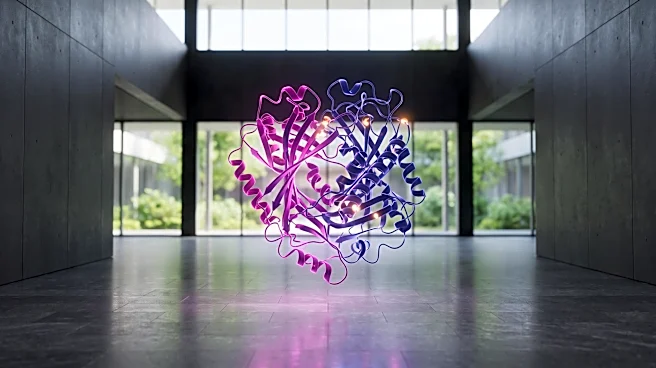
Takeda is integrating Artificial Intelligence (AI) throughout its research and development processes, from identifying drug candidates to designing clinical trial protocols and improving overall efficiency. Julie Kim, CEO of Takeda, highlighted that AI is being
used at every step, including regulatory submissions. This integration significantly reduces the time required for certain tasks; for instance, work that previously took weeks can now be completed in approximately 10 minutes. While AI cannot replace human testing in clinical trials, it is proving invaluable in areas like protocol design, making it considerably easier to identify appropriate endpoints and conduct feasibility testing. AI helps in avoiding protocols that might inadvertently narrow the eligible patient population too much in real-world settings. Takeda, a company with a 245-year history, views AI as a tool to amplify the capabilities of its scientists, allowing them to focus on complex biological challenges and creative problem-solving rather than routine tasks.
Why It's Important?
The adoption of AI by major pharmaceutical companies like Takeda has significant implications for the U.S. healthcare and pharmaceutical industries. By accelerating drug development timelines, AI can bring new treatments to market faster, potentially addressing unmet medical needs more quickly. This efficiency can lead to reduced costs in the long run, benefiting both pharmaceutical companies and, eventually, patients through more accessible and affordable medications. The ability of AI to optimize clinical trial design can also improve the success rates of trials by ensuring more robust protocols and better patient selection, thereby reducing the financial risks associated with drug development. Furthermore, by freeing up scientists from repetitive tasks, AI allows for a greater focus on innovation and complex biological research, which could lead to breakthroughs in treating challenging diseases. This shift underscores a broader trend in the U.S. towards technology-driven healthcare solutions, aiming for greater precision and efficiency in medical advancements.
What's Next?
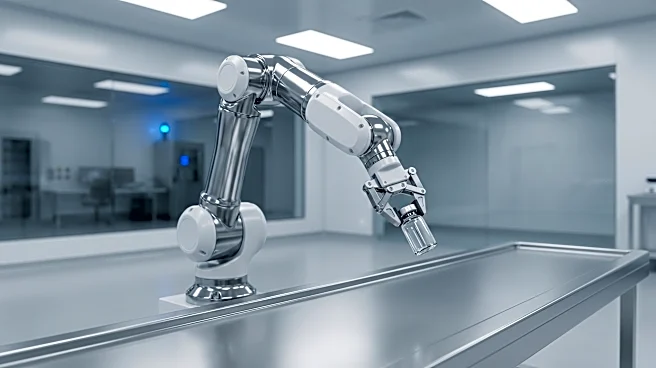
Takeda plans to continue integrating AI into its drug development pipeline, with a focus on leveraging it for tasks that can be compressed, while acknowledging that human testing remains indispensable. The company's strategy involves a 'two-horizon' view: successfully launching late-stage assets and advancing its pipeline in the short term, and achieving sustainable growth and scientific leadership in its therapeutic areas in the long term. This includes exploring new indications for existing discoveries, such as the orexin receptors beyond narcolepsy type 1, into areas like cognition and fatigue. The ongoing implementation of AI is expected to further streamline operations and enhance data-driven decision-making. As AI capabilities evolve, Takeda anticipates that even more routine tasks, potentially including physical AI applications, could be automated, allowing its scientific workforce to concentrate on higher-level, creative endeavors essential for future medical breakthroughs.
Beyond the Headlines
The widespread integration of AI in drug development, as exemplified by Takeda, raises deeper questions about the evolving role of human expertise in scientific research. While AI can process vast amounts of data and identify patterns with unprecedented speed, the source emphasizes that the creativity, intuition, and understanding of complex biological systems inherent to human scientists remain irreplaceable. This suggests a future where human-AI collaboration becomes the norm, with AI serving as a powerful assistant rather than a replacement for human intellect. Ethical considerations surrounding data privacy, algorithmic bias in patient selection, and the transparency of AI-driven decisions will also become increasingly critical as these technologies become more embedded in clinical trials. The long-term impact could include a redefinition of scientific roles, with a greater emphasis on interdisciplinary skills that combine biological knowledge with data science and AI literacy, shaping the educational and professional landscape for future generations of researchers.