





What's Happening?
Effective volleyball coaching extends beyond teaching technical skills, focusing on holistic player development, motivation, and fostering a strong team culture. Coaches aim to understand each player's unique learning style, providing individualized feedback
and adjusting teaching methods until concepts click. Structured practice sessions are crucial, typically incorporating dynamic warm-ups, ball-control drills, serving, setting, attacking, defense, game play, and cool-down. Constructive feedback is emphasized, detailing what is working, demonstrating fixes, and allowing immediate re-attempts. The goal is to build confidence, improve communication and teamwork, and enhance game awareness, ensuring players can make quick decisions and understand court strategy. This approach is particularly vital for young athletes, where making practice fun and encouraging continuous improvement are key.
Why It's Important?
The emphasis on comprehensive coaching is vital for the long-term success and enjoyment of volleyball players, particularly in the U.S. where youth sports play a significant role in development. By focusing on individual learning styles and providing tailored feedback, coaches can prevent the development of bad habits and accelerate skill acquisition. Building confidence and fostering strong communication skills are transferable beyond the court, benefiting players in various aspects of life. A positive team culture, built on respect and effort, contributes to a supportive environment where athletes feel empowered to take risks and grow. This holistic approach not only improves on-court performance but also helps retain players in the sport, nurturing a deeper love for the game and potentially contributing to a stronger talent pool for collegiate and professional levels.
What's Next?
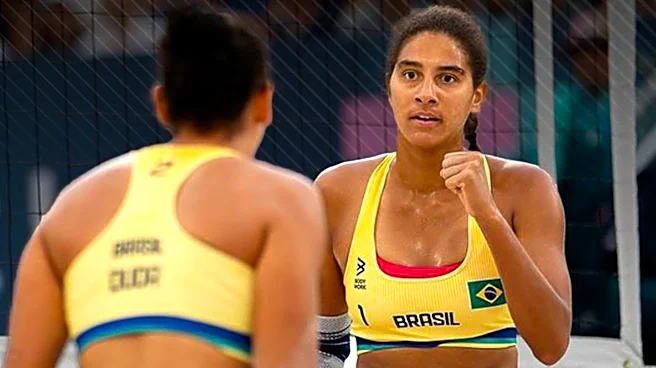
The future of volleyball coaching will likely continue to prioritize individualized instruction and the integration of psychological and social development alongside physical skills. Coaches will increasingly seek methods to adapt their teaching to diverse learning styles and leverage technology for performance analysis and feedback. The distinction between indoor and beach volleyball coaching highlights the need for specialized approaches, with beach volleyball emphasizing all-around skills and constant communication due to its two-player format. Continued focus on creating supportive and challenging environments will be essential for developing well-rounded athletes. Coaching methodologies will evolve to incorporate more game-like drills to enhance decision-making and court awareness, ensuring players are not just technically proficient but also strategically astute.
Beyond the Headlines
The 'art of coaching' in volleyball reflects broader trends in sports psychology and youth development, recognizing that athletic success is deeply intertwined with mental and emotional well-being. The focus on building confidence, communication, and resilience through sport provides a powerful framework for character development. This approach challenges the traditional win-at-all-costs mentality, advocating for a more balanced perspective where personal growth and enjoyment are equally valued. The lessons learned on the volleyball court—such as teamwork, perseverance, and adapting to challenges—are invaluable life skills. This holistic coaching philosophy can contribute to healthier, more engaged young people who are better equipped to navigate challenges both within and outside of sports, fostering a generation of resilient and collaborative individuals.