




What's Happening?
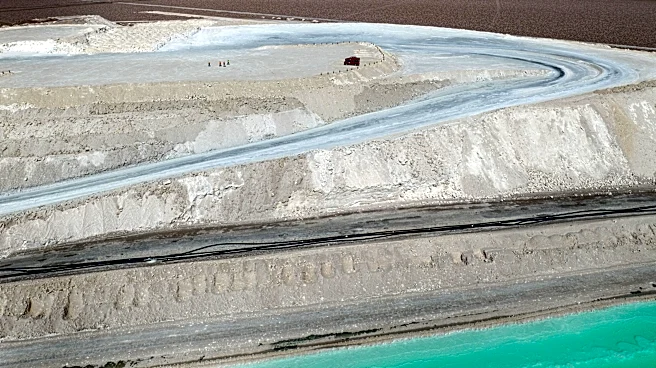
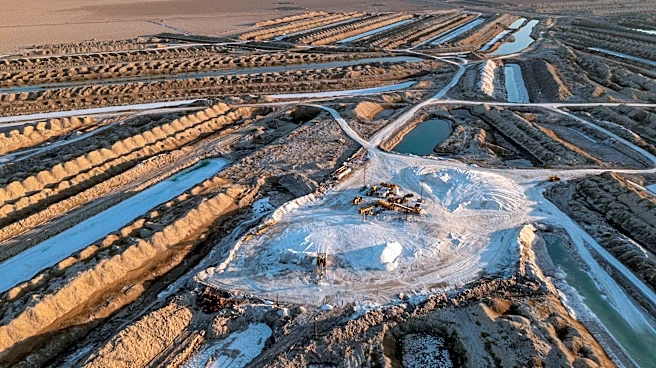
Chevron Corporation entered the U.S. lithium sector in June 2025 by acquiring approximately 135,000 net acres in the Smackover Formation across Northeast Texas and Southwest Arkansas. The company's objective is to explore the production of lithium from
salty water found deep underground, primarily for energy storage applications, including electric vehicle batteries and power grids. Chevron is currently assessing the underground resource, conducting tests for direct lithium extraction, and designing the necessary facilities. This process involves separating lithium from brine pumped to the surface and then returning the remaining water to the underground reservoir. The company is leveraging its existing oil and gas expertise in reservoir assessment, well drilling, and fluid handling for this new venture. Chevron is also working on refining product specifications to meet potential customer needs and plans to develop the acreage in phases, adjusting to market conditions.
Why It's Important?
Chevron's entry into the U.S. lithium market signifies a strategic diversification for a major oil and gas company into the rapidly growing energy storage sector. This move is crucial for the development of a domestic lithium supply chain, which is vital for the U.S. to reduce its reliance on foreign sources for critical battery materials. The success of Chevron's project could significantly impact the availability and cost of lithium for electric vehicle manufacturers and grid-scale energy storage solutions. For Chevron, a profitable lithium business could provide a new revenue stream and contribute to its energy transition initiatives, although oil and gas production still constitutes the majority of its earnings. The economic viability of extracting lithium from brine, including recovery rates and costs, will determine the project's long-term success and its contribution to the U.S. battery industry.
What's Next?
Chevron has not yet announced a timeline for commercial production or the targeted lithium output. The immediate next steps involve continued assessment of the underground resource and further testing of direct lithium extraction methods. The company will also focus on refining its product specifications to align with the quality standards required by battery manufacturers. The pace of development will be adjusted based on market conditions and the results of ongoing extraction tests, which will reveal the project's economic feasibility. The ability to consistently produce battery-grade lithium at scale will be a critical factor in determining the project's future and its contribution to the U.S. lithium supply chain.
Beyond the Headlines
Chevron's foray into lithium extraction highlights a broader trend among traditional energy companies to adapt to the evolving energy landscape. By utilizing existing expertise in subsurface operations, these companies are uniquely positioned to explore new resource opportunities. This development could accelerate the transition to renewable energy by securing a domestic supply of essential battery components. However, the environmental implications of large-scale brine extraction and the energy intensity of the direct lithium extraction process will be under scrutiny. The project also raises questions about the long-term economic competitiveness of U.S.-produced lithium compared to international sources, and the potential for technological advancements to lower extraction costs and improve efficiency.