






What's Happening?
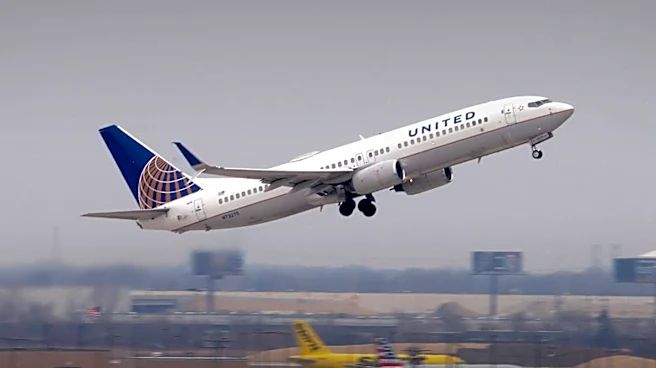
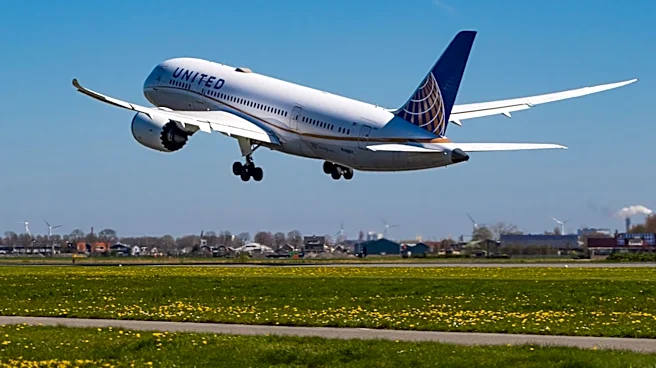
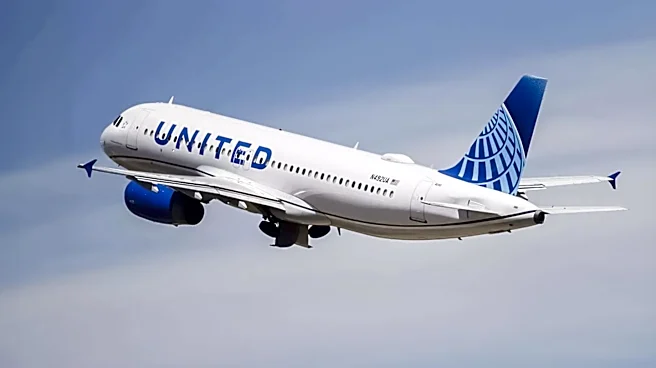
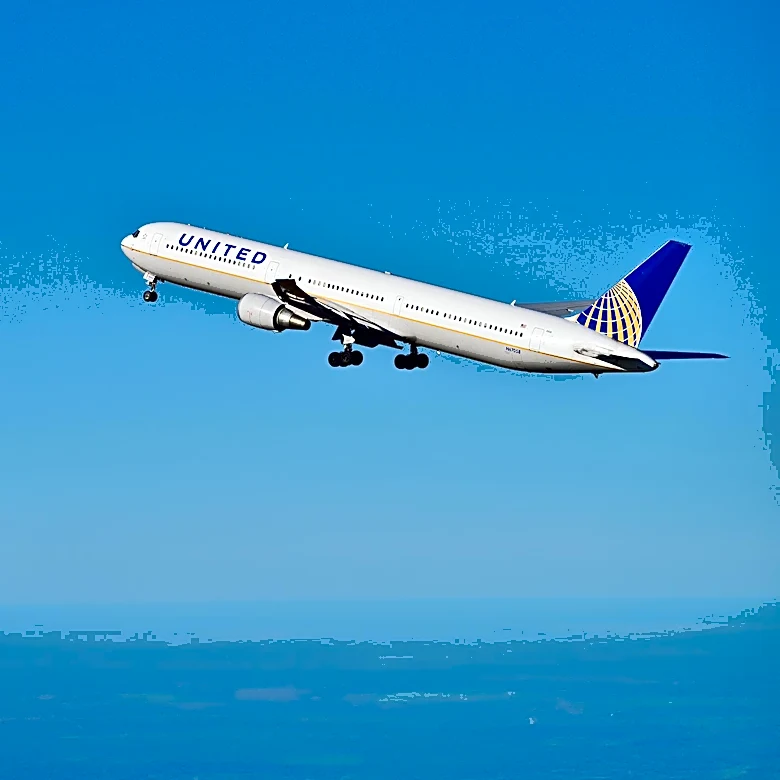
United Airlines is actively seeking to re-establish and expand its presence at New York-JFK Airport, a move that comes after the airline previously withdrew from the airport in late 2022. United had initially terminated service at JFK in 2015, shifting
its transcontinental and international long-haul operations to Newark, New Jersey. The airline briefly returned in 2021 using slots acquired during the COVID-19 pandemic. CEO Scott Kirby indicated in an interview with CNBC that United plans to gain access to slots for up to seven daily round trips at JFK through its 'Blue Sky' partnership with JetBlue. Kirby also expressed interest in acquiring additional slots from other carriers whose connections at JFK are no longer profitable, signaling a broader strategy for growth beyond the initial partnership.
Why It's Important?
United Airlines' planned return and expansion at JFK Airport signifies a significant shift in the competitive landscape of the U.S. airline industry, particularly in the highly coveted New York metropolitan area. JFK is one of only three fully slot-controlled airports in the U.S., making access and expansion exceptionally challenging. Increased competition at JFK could lead to more flight options and potentially more competitive pricing for consumers. For United, re-establishing a strong presence at JFK is crucial for its long-term growth strategy, especially as it seeks to expand in the Southeast U.S. and South America, as mentioned by CEO Scott Kirby. This move could also impact other airlines operating at JFK, potentially prompting them to re-evaluate their own strategies to maintain market share.
What's Next?
United Airlines is expected to gain initial access to slots for up to seven daily round trips at JFK through its partnership with JetBlue. CEO Scott Kirby has indicated that the airline is exploring various avenues to acquire more slots, including from other carriers. While no specific routes have been announced, United is also anticipated to reveal several new international routes in the near future. The airline's strategy will likely involve careful negotiation and potential acquisitions of existing slots, given the tightly regulated nature of JFK. The success of United's re-entry and expansion will depend on its ability to secure sufficient slots and establish profitable routes in a highly competitive environment.
Beyond the Headlines
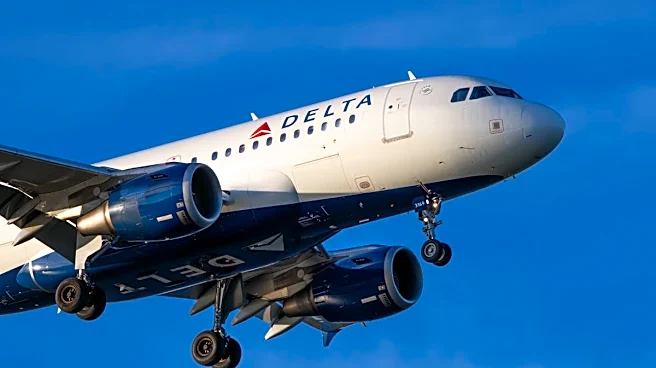
United's renewed focus on JFK highlights the strategic importance of slot-controlled airports in the U.S. and the challenges airlines face in expanding their operations in such constrained environments. The 'Blue Sky' partnership with JetBlue demonstrates a creative approach to gaining market access, potentially setting a precedent for future collaborations in the industry. Furthermore, CEO Scott Kirby's comments about potential mergers with Delta and American Airlines, despite being turned down, underscore the ongoing consolidation pressures and the pursuit of scale within the airline sector. This strategic maneuvering reflects a broader industry trend where airlines are constantly seeking to optimize their networks and market positions through partnerships, acquisitions, and organic growth in key hubs.