







What's Happening?
Ben Drury, cofounder and CEO of Yoto, has shared the story behind the creation of the Yoto player, a screen-free audio device for children. The inspiration for the device arose nearly 13 years ago when Drury encountered a stroller with a built-in tablet
holder, which he found concerning for infant development. At the time, Drury was running a digital music company and was contemplating the challenges of modern parenting, particularly regarding screen time. He began developing the Yoto player as a hobby, initially for his own son. The project evolved into a business after he realized its potential and partnered with Filip Denker, a former colleague and fellow parent who shared his concerns about technology and children. The Yoto player allows children to listen to audiobooks and music without screens, aiming to provide an alternative to digital devices for entertainment and learning.
Why It's Important?
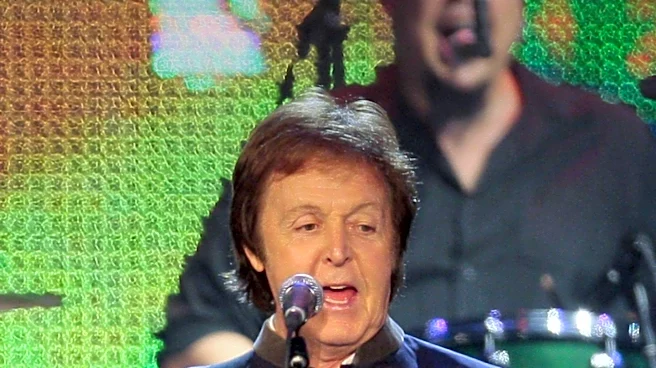
The development of the Yoto player highlights a growing concern among parents and educators regarding children's screen time and its potential impact on development. The product offers a tangible solution for families seeking to limit digital exposure while still providing engaging content. The involvement of a prominent figure like Paul McCartney, who invested in Yoto three times, underscores the perceived value and market potential of screen-free alternatives in the children's entertainment sector. This trend could influence the broader market for children's products, encouraging more companies to innovate in areas that prioritize cognitive development and imaginative play over passive screen consumption. The success of Yoto also demonstrates the viability of businesses built on addressing specific parental concerns, potentially leading to a shift in consumer demand towards more mindful technology use for children.
What's Next?
Yoto has expanded significantly since its inception, reaching over 5 million children globally and forming partnerships with major brands like Disney. The continued growth of Yoto suggests a sustained demand for screen-free entertainment options. Future developments may include further content partnerships, technological enhancements to the player, and expansion into new markets. The company's trajectory could also inspire other entrepreneurs to develop similar products, fostering a competitive landscape in the screen-free children's media sector. As concerns about digital well-being continue to rise, the market for devices like the Yoto player is likely to expand, prompting ongoing innovation and diversification in how children engage with media.
Beyond the Headlines
The Yoto player's success reflects a broader societal conversation about the role of technology in childhood and the long-term implications of early and extensive screen exposure. The ethical dimension of designing products that intentionally limit screen time for children is significant, as it challenges the pervasive integration of digital screens into daily life. This movement could lead to a re-evaluation of educational and entertainment paradigms, emphasizing auditory learning and imaginative play. Culturally, the embrace of devices like Yoto might signal a desire to return to simpler forms of engagement, fostering creativity and independent thought in children. The long-term shift could involve a more balanced approach to technology, where screen time is viewed as a tool rather than a default, encouraging healthier developmental pathways for younger generations.