










What's Happening?
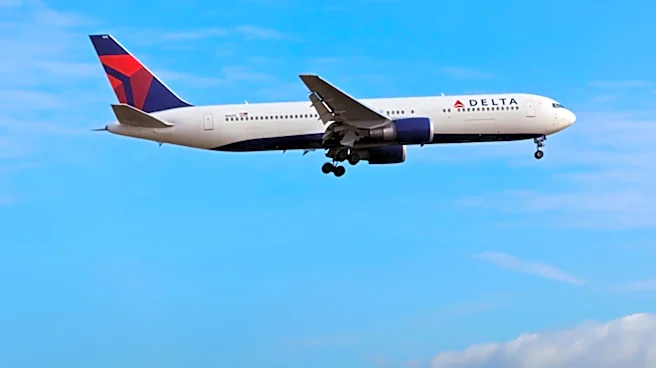
Delta Airlines has reported that elevated airfares are expected to persist despite a recent decline in oil prices. The airline's CEO, Ed Bastian, stated that strong demand for air travel has allowed Delta to pass on 60% of its increased fuel costs to consumers,
contributing to a $1.4 billion profit in the latest quarter. Delta's financial results indicate a robust appetite for travel, with premium revenue growing significantly. Despite the high costs, Delta's market position remains strong, holding 20% of the market share. The airline has also introduced new premium offerings, such as a 'basic business' option, to cater to consumer demand for travel experiences.
Why It's Important?
The persistence of high airfares highlights the ongoing economic pressures within the airline industry, driven by elevated fuel costs and inflationary trends. This situation affects consumer travel behavior, as some may need to adjust their plans due to higher costs. However, the strong demand for travel, particularly among financially stable consumers, suggests that the industry may continue to see robust revenue growth. Delta's ability to maintain profitability amidst these challenges underscores the importance of strategic pricing and service diversification in the airline sector.
What's Next?
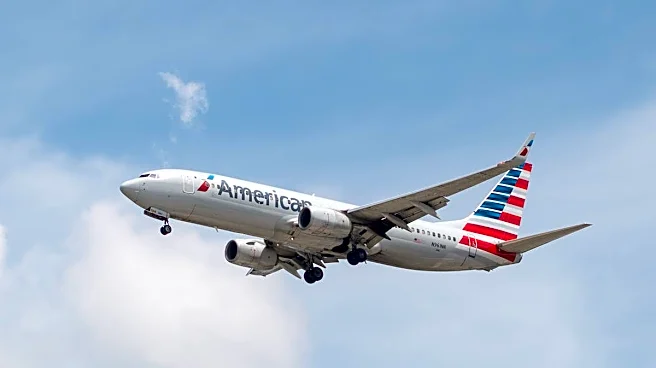
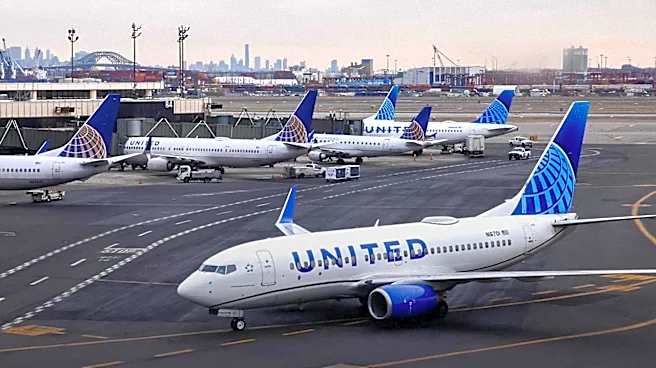
As Delta continues to adapt to the evolving economic landscape, the airline may further refine its pricing strategies and service offerings to balance profitability with consumer demand. The upcoming earnings reports from other major airlines, such as United Airlines and American Airlines, will provide additional insights into industry trends and competitive dynamics. Stakeholders will be watching closely to see how these developments impact travel costs and the overall health of the airline industry.