




What's Happening?
As temperatures in Houston begin to cool, gardeners are encouraged to start planning their fall gardens. Carol Burton, director of permaculture at Urban Harvest, highlights that the cooler season provides an excellent opportunity to cultivate a variety
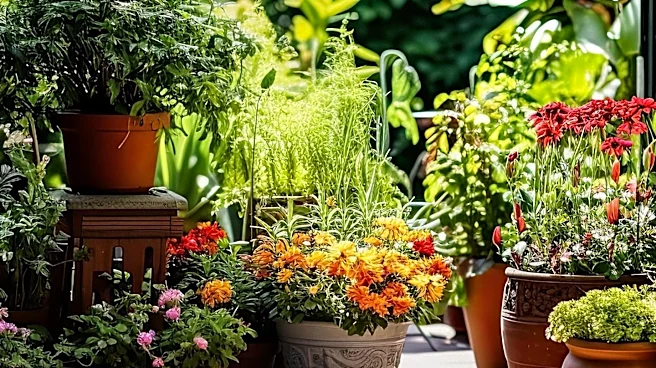
of vegetables that thrive from fall into early spring. Recommended crops include lettuce, cabbage, and carrots, among other cool-season favorites. Urban Harvest offers a planting calendar to guide Houston gardeners on what to plant and when. Success in fall gardening hinges on careful attention to timing, soil temperature, and daily temperature fluctuations. Gardeners can choose between starting plants from seeds, which is more economical, or using transplants for a head start. For those starting plants indoors, gradual acclimation to outdoor conditions is crucial, especially while Houston temperatures remain high. Proper watering is also emphasized, particularly during the initial weeks after planting, to ensure crops establish their roots without being overwatered. Container gardening is presented as a viable solution for individuals with limited space, such as patios, balconies, or windowsills, allowing them to grow their own vegetables.
Why It's Important?
This guidance is important for Houston residents looking to maximize their gardening efforts and food production, especially those with limited outdoor space. The emphasis on fall gardening extends the growing season, providing fresh, locally grown produce for a longer period. For urban dwellers, container gardening offers a practical way to engage in sustainable practices and improve food security, even in compact living environments. The advice on timing, soil, and watering helps gardeners optimize their yields and reduce waste, contributing to more efficient resource use. Furthermore, the suggestion of incorporating edible flowers like marigolds, pansies, and violas not only adds aesthetic value but also promotes ecological pest control through companion planting, reducing the reliance on chemical interventions. This approach supports biodiversity and healthier ecosystems within urban settings, benefiting both individual gardeners and the broader community by fostering a more resilient local food system.
What's Next?
Houston gardeners can utilize Urban Harvest’s planting calendar to plan their fall gardens effectively, selecting appropriate crops and planting times. Those interested in container gardening can begin by choosing suitable containers that provide ample root space for their chosen plants. Carol Burton's demonstration of planting lettuce seeds around a cauliflower plant illustrates a method for maximizing space in containers, suggesting that gardeners can experiment with similar companion planting techniques. The focus on proper watering and gradual acclimation for indoor-started plants will be critical in the coming weeks as new crops are established. Community organizations like Urban Harvest will likely continue to offer resources and educational programs to support local gardeners, helping them navigate the specific challenges and opportunities of gardening in the Houston climate. This ongoing support will be vital for both novice and experienced gardeners to achieve successful fall harvests and maintain productive gardens year-round.
Beyond the Headlines
The promotion of fall and container gardening in Houston reflects a broader trend towards localized food production and sustainable living, particularly in urban areas. This movement addresses concerns about food miles, environmental impact, and access to fresh produce. By encouraging residents to grow their own food, even in small spaces, there's a subtle shift towards greater self-sufficiency and a deeper connection to food sources. The integration of ecological pest control methods, such as companion planting with marigolds, highlights a growing awareness of natural solutions and a move away from conventional, chemical-intensive gardening practices. This approach not only benefits the environment but also promotes healthier eating habits and a more engaged community. The emphasis on practical, accessible gardening techniques like container gardening democratizes food production, making it feasible for a wider demographic, including those in apartments or with limited mobility, thereby fostering a more inclusive and resilient urban food landscape.