







What's Happening?
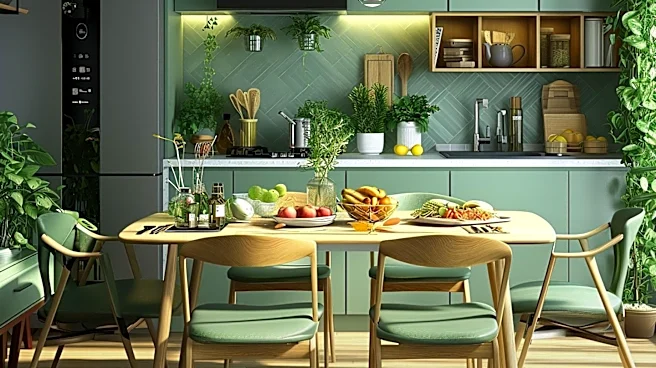
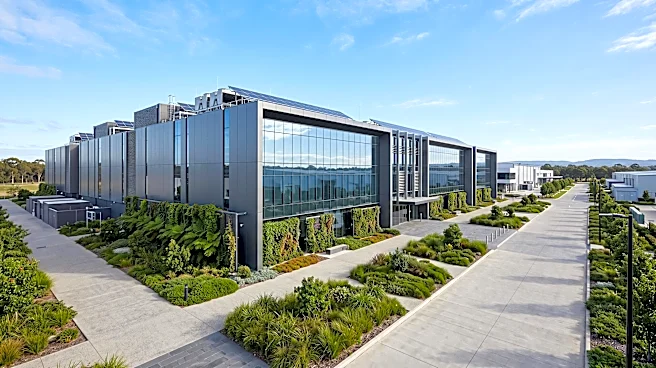
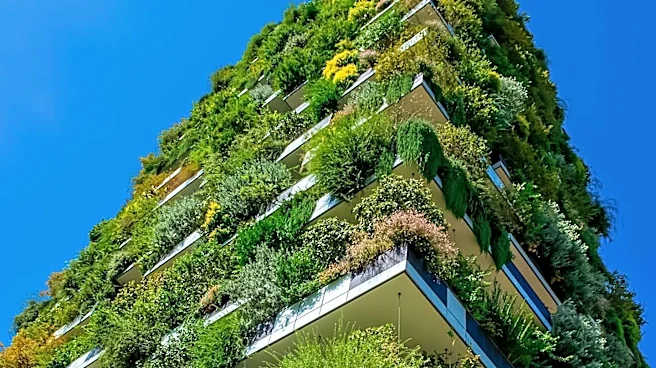
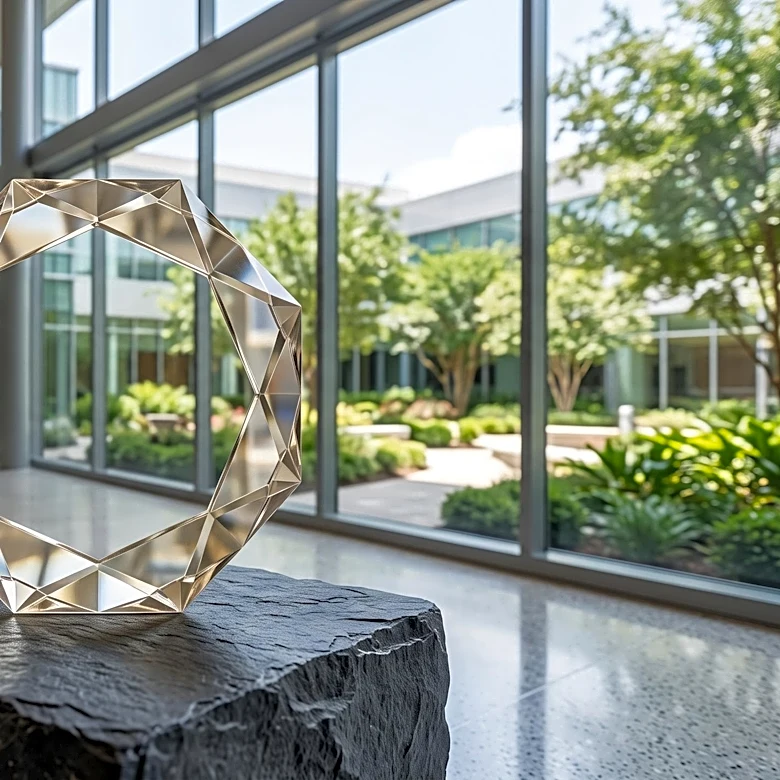
U.S. event venues, particularly those hosting healthcare summits, are increasingly incorporating biophilic design principles to improve attendee well-being and meet sustainability standards. This design approach integrates natural elements, such as natural light,
indoor plants, and nature imagery, into architectural spaces. The shift moves away from older 'big box' convention centers that prioritized capacity over comfort and ease of movement. Modern designs now focus on 'intentional flow' with open central halls, wide passageways, and clearly marked routes to prevent congestion. Additionally, features like quiet zones, soundproof rooms, and smaller breakout areas are being implemented to facilitate focused discussions and peer-to-peer learning among attendees. The goal is to create environments that reduce stress, improve focus, and enhance overall comfort, as highlighted by a study from neuroscientists at the University of Manchester which found that greater daytime light exposure positively influences cognition and reaction speeds.
Why It's Important?
The adoption of biophilic design in U.S. event venues signifies a broader recognition of the link between environmental design and human health and productivity. For industries like healthcare, where events often involve complex discussions and sensitive information, creating optimal environments can directly impact the quality of knowledge exchange and collaboration. This trend also reflects a growing demand for sustainable practices in event management, pushing venues to prioritize energy efficiency, waste reduction, and water conservation. Businesses that embrace these design principles stand to gain a competitive advantage by offering more attractive and effective spaces for conferences and gatherings. Conversely, venues that fail to adapt may struggle to attract organizers and attendees who increasingly value comfort, well-being, and environmental responsibility. The emphasis on natural light and calming colors like blue and green is expected to lead to improved attendee engagement and satisfaction, ultimately benefiting event hosts and participants alike.
What's Next?
The trend of integrating biophilic design and sustainability into U.S. event venues is expected to continue and expand beyond healthcare summits to other sectors. Event organizers will likely place greater emphasis on venue selection criteria that include natural light access, green spaces, and energy-efficient infrastructure. Post-event questionnaires and surveys focusing on attendee comfort, noise levels, and ergonomics will become more crucial in informing future design decisions. This data-driven approach will help designers refine spaces to better meet the needs of participants. Furthermore, the development of modular spaces and the strategic capping of attendance for popular sessions are anticipated to become standard practices to manage crowd flow and enhance the overall event experience. The industry will likely see more innovation in sustainable building materials and technologies to further reduce the carbon footprint of large-scale events.
Beyond the Headlines
The shift towards biophilic design in U.S. event venues represents a deeper cultural and ethical consideration of human-nature connection within built environments. It acknowledges that physical surroundings profoundly impact psychological states, cognitive function, and overall well-being. This movement extends beyond mere aesthetics, touching upon the ethical responsibility of designers and venue operators to create spaces that support human health and environmental stewardship. The integration of natural elements can foster a sense of calm and reduce the mental fatigue often associated with intense conference schedules. Moreover, by prioritizing sustainability, these venues contribute to broader ecological goals, potentially influencing corporate social responsibility initiatives across various industries. This evolution in design thinking suggests a future where the success of an event is measured not only by its content but also by its ability to provide a restorative and environmentally conscious experience for all participants.