




What's Happening?
Intel CEO Lip-Bu Tan has announced the formation of a dedicated team comprising 141 engineers and CPU architects. This initiative aims to reclaim technological leadership in the processor market from Advanced Micro Devices (AMD). The move is part of Intel's
broader turnaround strategy, as the company faces intense competition, particularly in the data center and artificial intelligence sectors. Tan acknowledged that Intel had lost its previous leadership position in the CPU market and emphasized that developing highly competitive processors is now the company's top priority. He also praised AMD CEO Lisa Su for successfully transforming AMD into a major semiconductor competitor. Intel plans to revive a modified version of its historical 'tick-tock' development strategy, which will involve alternating development efforts between separate internal and external architecture teams to accelerate product development and foster innovation. Additionally, Intel is adopting a more customer-focused approach, offering greater processor customization for its Xeon server products to meet specialized computing requirements.
Why It's Important?
This strategic move by Intel is significant for the U.S. semiconductor industry and the broader technology sector. Intel's renewed focus on CPU leadership could intensify competition, potentially leading to faster innovation and more advanced computing solutions for consumers and businesses. The company's efforts to regain market share from AMD, which has established a strong position, particularly in server processors, could reshape the competitive landscape. Intel's emphasis on customized processors for major customers also highlights a shift towards more tailored solutions in the enterprise computing market, driven by the specialized demands of AI and data centers. The projected growth of the server CPU market from $40 billion to over $200 billion within five years, as estimated by Tan, underscores the immense economic stakes involved. Intel's success in this endeavor could bolster its position as a key player in the global technology supply chain and contribute to U.S. technological competitiveness.
What's Next?
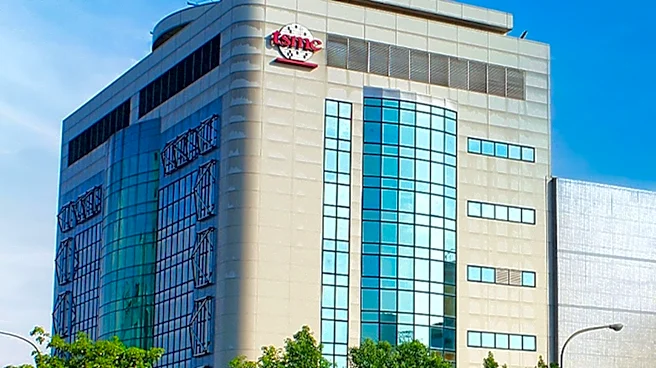
Intel's newly formed engineering team is expected to focus on strengthening processor design capabilities and accelerating the development of future CPU architectures, including next-generation server processor families like Diamond Rapids and Coral Rapids. The success of this initiative will depend on Intel's ability to deliver competitive performance, improved energy efficiency, manufacturing reliability, and timely product launches to regain customer confidence. The company will need to effectively counter AMD's strong market position and its advantageous relationship with TSMC, which allows AMD to benefit from integrated device manufacturer advantages without massive capital expenditures. Intel's ability to translate its renewed engineering focus into commercially successful processors will be crucial in challenging AMD's product portfolio and reclaiming technological leadership. The semiconductor industry will closely watch Intel's progress in executing its modified 'tick-tock' strategy and its efforts to capture a larger share of the rapidly expanding server CPU market driven by agentic AI.
Beyond the Headlines
Intel's aggressive strategy to reclaim CPU leadership reflects a broader trend of intense competition and rapid technological evolution within the semiconductor industry, particularly driven by the demands of artificial intelligence. The shift towards more customized processor solutions for major clients indicates a move away from a one-size-fits-all approach, highlighting the increasing specialization required in high-performance computing. This could lead to deeper collaborations between chip manufacturers and their enterprise customers, fostering more integrated hardware-software ecosystems. The emphasis on internal and external architecture teams in Intel's modified 'tick-tock' strategy suggests a recognition of the need for diverse perspectives and accelerated development cycles to keep pace with innovation. Furthermore, the acknowledgment of AMD's success under Lisa Su underscores the dynamic nature of leadership in the tech sector, where strategic vision and execution can rapidly alter market dominance. The outcome of Intel's turnaround efforts will have long-term implications for the global semiconductor supply chain and the future of computing infrastructure.