





What's Happening?
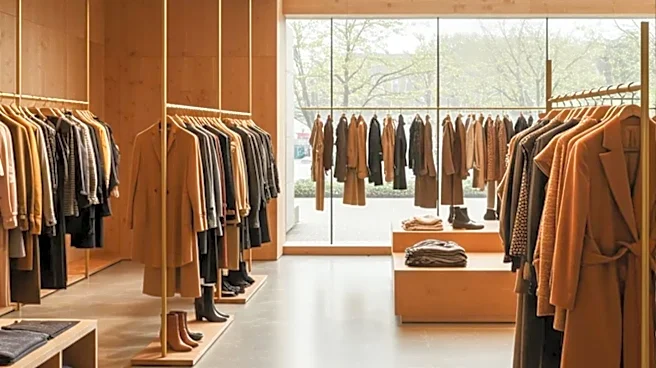
H & M Hennes & Mauritz AB (publ) is a global retailer offering a wide range of products including clothing, accessories, footwear, cosmetics, home textiles, and homeware for women, men, and children. The company operates under various brand names such
as H&M, H&M HOME, COS, Weekday, Monki, & Other Stories, and ARKET. Beyond traditional retail, H&M has diversified its operations to include digital platforms like Sellpy, which focuses on second-hand fashion, and Smartex.ai, a platform designed to detect faults in textile production in real-time. Additionally, H&M is investing in sustainable initiatives through Syre, a platform dedicated to scaling textile-to-textile recycling, particularly for polyester. The company also operates A Retro Tale, offering vintage and secondhand accessories, and Looper Textile, which provides solutions for garment reuse and recycling. H&M, incorporated in 1943 and headquartered in Stockholm, Sweden, distributes its products through both online and physical stores globally.
Why It's Important?
H&M's expansive product offerings and strategic investments highlight a significant trend in the retail industry towards diversification and sustainability. By integrating second-hand platforms like Sellpy and textile recycling initiatives such as Syre, H&M is responding to growing consumer demand for environmentally conscious options and circular economy models. This approach could influence other major U.S. and international retailers to adopt similar sustainable practices, potentially shifting industry standards. The company's focus on real-time fault detection in textile production through Smartex.ai also indicates a move towards greater efficiency and quality control in manufacturing, which could impact global supply chains. For consumers, these initiatives offer more choices for sustainable consumption, while for competitors, they set a higher bar for corporate responsibility and innovation in the fashion and home goods sectors.
What's Next?
H&M is likely to continue expanding its sustainable initiatives and digital platforms, further integrating them into its core business model. The success of platforms like Syre in scaling textile-to-textile recycling could lead to broader industry adoption of similar technologies, potentially reducing textile waste globally. The company may also explore further acquisitions or partnerships in the sustainable fashion and technology sectors to enhance its competitive edge. Consumers can expect to see more eco-friendly product lines and increased accessibility to second-hand and recycled goods through H&M's various brands. Competitors will likely monitor H&M's progress in these areas, potentially leading to a ripple effect of increased investment in sustainability and technological innovation across the retail landscape. The company's ongoing efforts in these areas will shape its future market position and influence broader industry trends.
Beyond the Headlines
H&M's multifaceted approach, combining traditional retail with advanced recycling technologies and second-hand markets, reflects a deeper shift in consumer values and corporate responsibility. This strategy goes beyond mere product sales, addressing ethical and environmental concerns that are increasingly central to brand perception and customer loyalty. The investment in textile-to-textile recycling, particularly for polyester, tackles a significant environmental challenge in the fashion industry, aiming to reduce reliance on virgin resources and minimize landfill waste. This could set a precedent for how large corporations integrate sustainability into their core operations, moving from superficial greenwashing to tangible, systemic changes. The company's efforts also highlight the potential for technology to drive environmental solutions within manufacturing, offering a model for other industries grappling with similar sustainability pressures. This holistic approach could redefine the role of a global retailer in the 21st century.