







What's Happening?
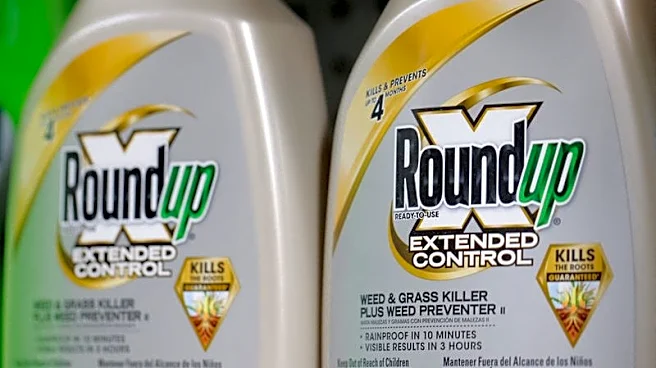
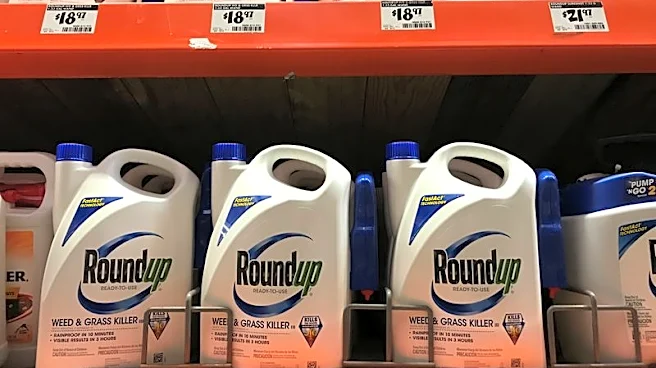
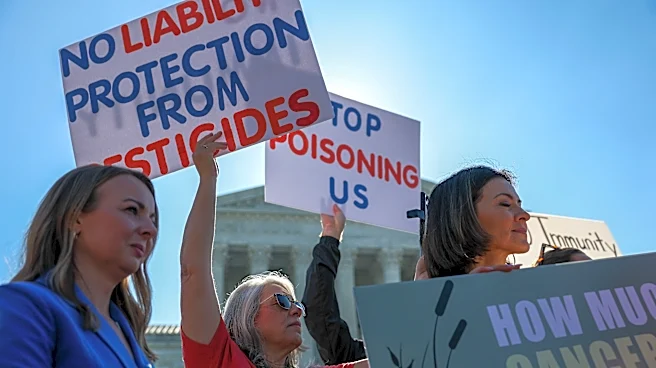
The Supreme Court ruled in favor of Monsanto in a case concerning the herbicide Roundup, emphasizing that federal pesticide law preempts state failure-to-warn claims when the Environmental Protection Agency (EPA) has not mandated a cancer warning on the product
label. This decision does not resolve the scientific debate over whether glyphosate, the active ingredient in Roundup, causes cancer. The ruling illustrates the ongoing confusion between legal and scientific interpretations of causation, as legal decisions often do not align with scientific consensus.
Why It's Important?
This ruling has significant implications for ongoing and future litigation involving glyphosate and other products where scientific and legal definitions of causation diverge. It highlights the challenges courts face in balancing legal standards with scientific evidence, impacting how companies are held accountable for product safety. The decision may influence regulatory practices and public perception of product safety, affecting stakeholders in agriculture, law, and public health. It underscores the need for clearer communication between scientific findings and legal rulings to maintain public trust.
Beyond the Headlines
The case exemplifies broader issues in how legal systems handle scientific uncertainty, particularly in product liability cases. It raises questions about the role of regulatory agencies in setting safety standards and the influence of corporate interests in legal outcomes. The ruling may prompt discussions on reforming how scientific evidence is integrated into legal processes, potentially leading to changes in how courts evaluate expert testimony and scientific data. This case also reflects societal challenges in understanding and communicating complex scientific issues within legal frameworks.