


What's Happening?
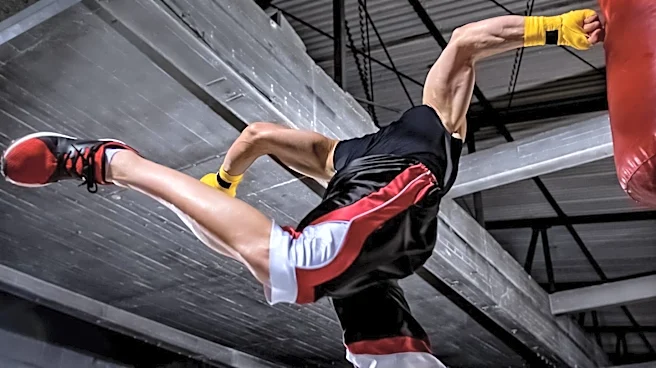
Cardio kickboxing is being offered as a non-contact aerobic conditioning activity at San José State University. This course is designed to combine punches, kicks, traditional aerobic skills, and various fitness activities. Its primary goal is to enhance
cardiovascular endurance, muscular strength, and muscular endurance among participants. The course fulfills Physical Education requirements and is graded with a letter. Similarly, the Salvation Army Kroc Center in Suisun City provides cardio kickboxing as a high-energy class, integrating diverse combinations of cardio kickboxing and dance movements. This class incorporates high-intensity intervals, strength training, and endurance exercises. The Peninsula Jewish Community Center also offers cardio kickboxing, led by an instructor named Kat, which is described as a martial arts-inspired workout that blends boxing and kickboxing techniques with cardio conditioning to provide a full-body workout.
Why It's Important?
The availability of cardio kickboxing programs across various institutions highlights a growing trend in fitness and health education within the U.S. The inclusion of such a course at San José State University underscores the recognition of non-contact aerobic activities as valuable components of physical education, contributing to students' overall well-being and physical fitness. This trend is significant for the health and wellness industry, as it indicates a demand for diverse and engaging fitness options that cater to different preferences and fitness levels. For educational institutions, offering such courses can attract students interested in alternative forms of exercise, potentially boosting enrollment in physical education programs. Community centers like the Salvation Army Kroc Center and the Peninsula Jewish Community Center play a crucial role in making these fitness opportunities accessible to a broader public, promoting community health and active lifestyles. The emphasis on cardiovascular endurance, muscular strength, and endurance in these programs addresses key public health concerns related to sedentary lifestyles and chronic diseases.
What's Next?
The continued popularity and expansion of cardio kickboxing programs are likely. Educational institutions may consider integrating similar non-contact, high-energy fitness courses into their curricula to meet student demand and promote physical health. Community centers are expected to continue offering and potentially diversifying their fitness class schedules to include more varied and engaging options like cardio kickboxing, catering to a wider demographic. There might also be an increase in specialized fitness studios focusing on martial arts-inspired workouts, further solidifying cardio kickboxing's place in the fitness landscape. As awareness of the benefits of such activities grows, there could be a push for more standardized certifications for instructors and programs to ensure quality and safety. The trend suggests a future where fitness programs are increasingly dynamic, combining elements from various disciplines to offer comprehensive and enjoyable workout experiences.
Beyond the Headlines
The rise of cardio kickboxing reflects a broader cultural shift towards holistic health and fitness, moving beyond traditional gym routines to embrace more dynamic and engaging forms of exercise. This trend also highlights the increasing integration of martial arts principles into mainstream fitness, emphasizing discipline, coordination, and mental focus alongside physical conditioning. The non-contact nature of these classes makes them accessible to a wider audience, including individuals who may be intimidated by full-contact sports or seeking lower-impact alternatives. Ethically, the promotion of such activities contributes to public health by encouraging active lifestyles and providing accessible avenues for physical activity. From a societal perspective, these programs foster community engagement and provide spaces for individuals to connect through shared fitness goals. The long-term implication is a more diverse and inclusive fitness culture that values varied approaches to physical well-being, potentially leading to innovations in exercise methodologies and equipment.