





What's Happening?
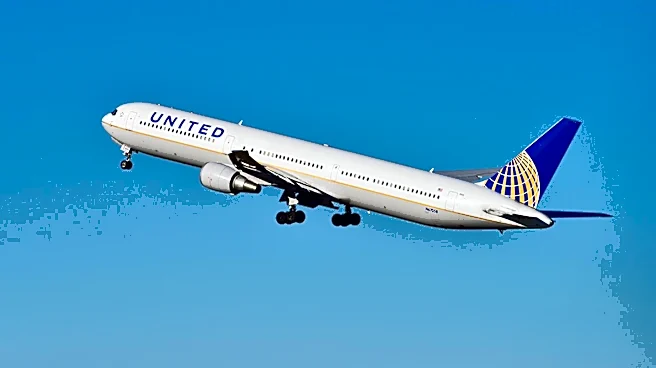
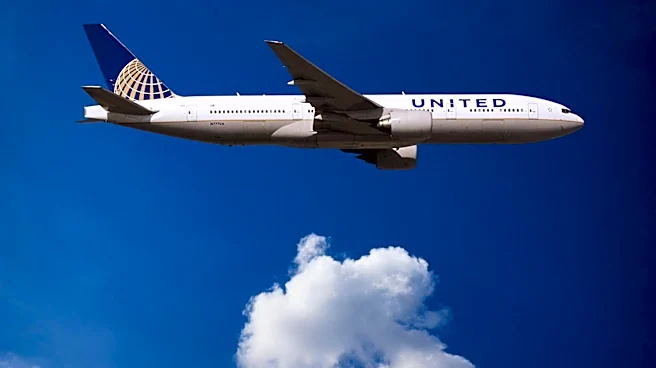
United Airlines has issued a memo to its more than 28,000 flight attendants, cautioning them against an "impermissible and fraudulent" practice involving flight delays. The airline alleges that some flight attendants are intentionally bidding on future
trips during rolling delays with the aim of triggering pay protection clauses in their contracts, without the intent to actually work those flights. This practice, described as "gaming" the system, involves flight attendants using internal information about anticipated delays to select trips that they foresee being unable to work due to minimum rest period requirements. If a flight is delayed, preventing a flight attendant from working a subsequent trip they bid on, they still receive pay for that missed trip under contractual pay protection. United Airlines views this as a misuse of company information for personal financial gain and has stated that such actions could lead to disciplinary measures, including termination.
Why It's Important?
This development highlights a significant internal labor issue within United Airlines, potentially impacting operational efficiency and employee relations. For the airline, this practice represents a financial drain, as it pays flight attendants for work not performed, directly affecting its bottom line. It also raises questions about the integrity of internal systems and the potential for employees to exploit loopholes in contractual agreements. From a broader industry perspective, this situation could prompt other airlines to review their own pay protection policies and internal monitoring systems to prevent similar occurrences. While not directly affecting passengers, the underlying issues of operational delays and employee conduct can indirectly influence service quality and public perception of the airline industry. The airline's firm stance underscores its commitment to preventing financial losses and maintaining fair labor practices.
What's Next?
United Airlines is expected to continue monitoring flight attendant bidding patterns and delay-related pay claims more closely. The memo serves as a clear warning, and the airline will likely enforce its policy with disciplinary actions for those found to be engaging in the prohibited practice. This could lead to increased scrutiny of flight attendant scheduling and a potential review of the pay protection clauses in their contracts to prevent future exploitation. Flight attendants, in turn, may face stricter oversight regarding their bidding decisions, and the union might engage in discussions with United Airlines to clarify the interpretation and application of pay protection rules. The airline may also explore technological solutions to better predict and manage rolling delays, potentially reducing opportunities for such practices to occur. The outcome could set a precedent for how airlines manage similar issues with their flight crews.
Beyond the Headlines
Beyond the immediate financial and operational concerns, this situation touches upon the ethical dimensions of employee conduct and the balance between employee rights and corporate interests. The concept of pay protection is designed to safeguard employees from unforeseen circumstances, but its alleged misuse raises questions about trust within the workplace. It also highlights the challenges faced by large corporations in managing complex labor contracts and preventing the exploitation of system vulnerabilities. The incident could lead to a re-evaluation of how internal information is shared and utilized by employees, potentially leading to stricter guidelines on data access and usage. Furthermore, it underscores the ongoing tension between management's desire for efficiency and cost control, and employees' efforts to maximize their compensation within the framework of their employment agreements, potentially influencing future collective bargaining negotiations in the airline industry.