

What's Happening?
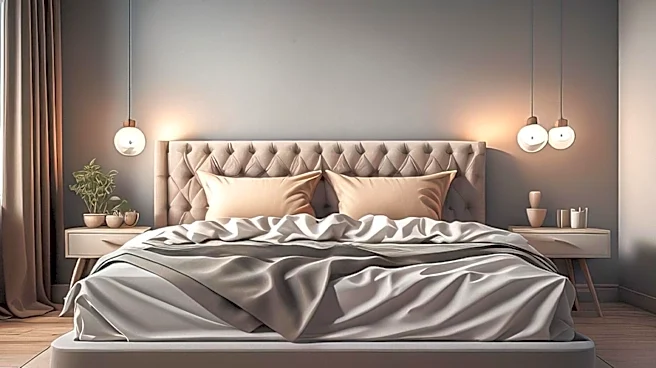
A recent feature showcases 20 stylish gray bedroom designs, emphasizing the color's versatility and calming effect. The article challenges the notion that gray bedrooms cannot be colorful, demonstrating how a gray backdrop can enhance vibrant elements
in furniture, bedding, and rugs. It presents various shades of gray, from deep, sophisticated tones to lighter, airy hues, illustrating how different grays can evoke distinct moods. Examples include moody gray paired with crisp white accents, gray combined with lilac, and gray walls contrasting with white four-poster beds and built-in bookcases. The designs also highlight the use of soft gray walls with pastel accents, and well-appointed rooms featuring gray tones, floral curtains, and iron beds. The overarching theme is that gray serves as a neutral yet impactful foundation for diverse design aesthetics, ranging from earthy vibrancy to layered comfort, making it a timeless choice for bedroom decor.
Why It's Important?
The increasing popularity of gray in interior design, particularly for bedrooms, reflects a broader trend in consumer preferences for calming and adaptable home environments. This focus on gray as a versatile and sophisticated color choice can influence the home decor and furnishings industries, potentially leading to increased demand for gray-toned products, from paint and wallpaper to textiles and furniture. For consumers, understanding the design principles behind effective gray interiors can empower them to create more serene and personalized living spaces, impacting their lifestyle and well-being. The emphasis on gray's ability to complement both vibrant and neutral palettes also suggests a shift towards more flexible and long-lasting design choices, moving away from transient color trends. This trend could also affect real estate, as well-designed, calming interiors can enhance property appeal and value.
What's Next?
As gray continues to be a prominent color in interior design, manufacturers and retailers in the home decor sector are likely to expand their offerings of gray-themed products. This could include new lines of gray paints, wallpapers, furniture, and bedding, catering to the diverse interpretations of gray showcased in the article. Design professionals may further explore and innovate with gray palettes, integrating them with other trending colors and textures to create fresh and appealing aesthetics. Consumers can expect to see more design inspiration and practical guides on incorporating gray into their homes, potentially leading to workshops or online resources dedicated to mastering gray interiors. The sustained interest in calming and versatile home environments suggests that gray will remain a staple in design for the foreseeable future, influencing upcoming collections and design philosophies.
Beyond the Headlines
The enduring appeal of gray in bedroom design extends beyond mere aesthetics, touching upon psychological and cultural dimensions. Gray, often associated with balance and neutrality, can contribute to a sense of calm and stability, which is increasingly valued in a fast-paced world. This psychological impact makes it a preferred choice for personal sanctuaries like bedrooms. Culturally, the shift towards minimalist and sophisticated design, where gray plays a central role, reflects a broader societal appreciation for understated elegance and functionality. The article subtly highlights how color choices can influence mood and well-being, suggesting that design is not just about visual appeal but also about creating an environment that supports mental and emotional health. This deeper implication underscores the role of interior design as a tool for enhancing quality of life, making color psychology a more prominent consideration in home decor decisions.