







What's Happening?
Smartblood has released a guide to help individuals with Irritable Bowel Syndrome (IBS) manage their symptoms through diet. The guide emphasizes the importance of choosing 'Low FODMAP' foods, which are low in fermentable sugars that can trigger IBS symptoms.
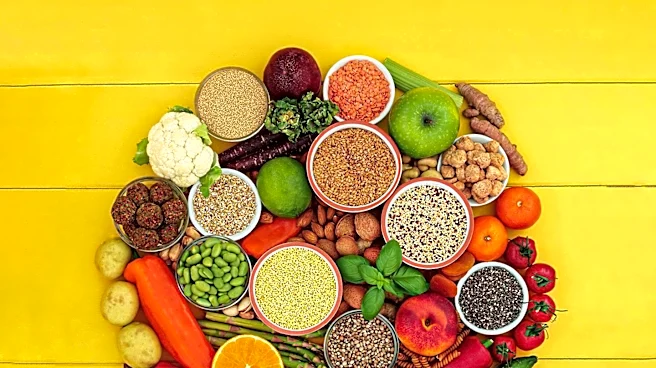
It provides a list of safe foods, including proteins like chicken and eggs, grains like oats and rice, and vegetables like carrots and spinach. The guide also highlights the role of food intolerance testing in identifying personal triggers. IBS is a functional gastrointestinal disorder that affects communication between the gut and brain, leading to symptoms like bloating and altered bowel habits.
Why It's Important?
IBS affects a significant portion of the population, impacting quality of life and daily functioning. Understanding dietary triggers is crucial for managing symptoms and improving digestive health. The guide offers a structured approach to identifying and eliminating problematic foods, empowering individuals to take control of their health. By focusing on personalized dietary changes, individuals can reduce discomfort and enhance their overall well-being. This approach also underscores the importance of consulting healthcare professionals and using evidence-based methods to address IBS.
What's Next?
As awareness of IBS and its dietary management grows, more individuals may seek personalized solutions to improve their digestive health. Healthcare providers might increasingly recommend structured elimination diets and food intolerance testing as part of IBS management. The dialogue around IBS is likely to expand, with a focus on integrating dietary strategies with medical advice to optimize patient outcomes.