


What's Happening?
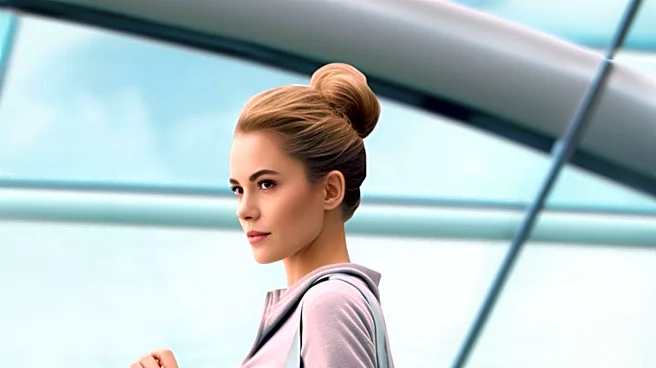
Elevated athleisure has become a dominant force in street style, characterized by softer, larger shapes and matching sets. This trend moves away from traditional workout gear, presenting a deliberate and styled aesthetic. Hoodies are now cut boxy and slouchy,
while sweatpants feature wide-leg, straight-leg, and barrel-leg cuts. Fabrics are heavier and brushed, contributing to a plush feel. The matching set, often a hoodie and sweatpants in the same color, is a key element, offering a styled look with minimal effort. This shift reflects a desire for clothing that is both comfortable and versatile, suitable for various activities from morning classes to evening events. Street style photographers have coined the term 'elevated athleisure' to describe this intentional comfort dressing, which has significantly influenced how a generation dresses.
Why It's Important?
The rise of elevated athleisure signifies a significant shift in consumer preferences within the U.S. fashion industry. This trend prioritizes comfort and versatility, impacting design, manufacturing, and retail strategies. Brands that adapt to this demand for 'comfort dressing with intention' are likely to see increased market share, while those adhering strictly to traditional formal wear may face challenges. The emphasis on matching sets and quality fabrics also suggests a move towards more thoughtful consumption, where consumers invest in pieces that offer both style and practicality. This trend affects not only clothing brands but also accessory markets, as consumers seek items like clean white sneakers and structured bags to complement their athleisure outfits. The longevity of this trend, having survived multiple fashion swings, indicates a fundamental change in how Americans approach daily wear, blurring the lines between casual and chic.
What's Next?
The continued evolution of elevated athleisure is expected to influence future fashion collections and retail offerings. Designers will likely further integrate comfort-focused designs with sophisticated aesthetics, exploring new fabric technologies and silhouettes. Retailers may expand their athleisure sections, offering a wider range of matching sets and versatile pieces. The trend's enduring popularity suggests that consumers will continue to seek clothing that seamlessly transitions between different aspects of their lives, from work to leisure. This could lead to further innovation in functional yet fashionable apparel, potentially impacting the demand for more formal attire in everyday settings. Brands that can effectively balance comfort, style, and sustainability in their athleisure lines are poised for continued success.
Beyond the Headlines
The widespread adoption of elevated athleisure reflects deeper cultural shifts towards a more relaxed and flexible lifestyle in the U.S. This trend challenges traditional notions of formality and professionalism, particularly in post-pandemic work environments where remote work and hybrid schedules have become common. It also highlights a growing consumer demand for authenticity and practicality in fashion, moving away from purely aesthetic-driven choices. The ethical implications include the potential for increased focus on sustainable and durable materials, as consumers invest in higher-quality, long-lasting pieces. Furthermore, the trend's emphasis on comfort could influence broader design principles in other industries, from furniture to automotive interiors, as the desire for ease and functionality permeates various aspects of daily life.