






What's Happening?
Panama is increasingly recognized as an ideal destination for solo travelers, offering a wide array of experiences from its bustling capital to serene Caribbean islands. International visitors typically arrive at Tocumen International Airport near Panama City,
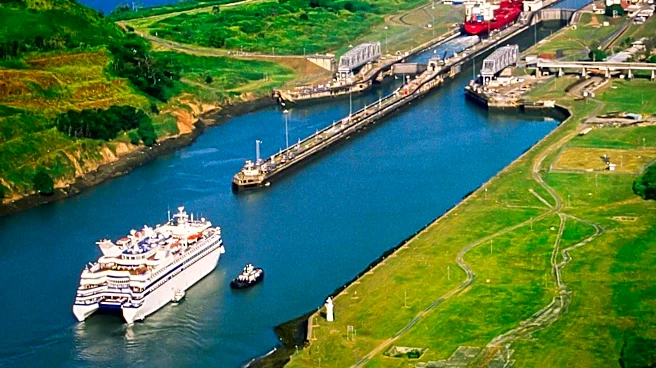
where areas like Casco Antiguo provide a convenient and safe base with hotels, cafes, museums, and restaurants in close proximity. The country's appeal lies in its ability to offer a 'big trip in one small country,' encompassing the Panama Canal, historic streets, lush rainforests, coffee-producing highlands, and vibrant Caribbean coastlines. Solo travelers are advised to engage in guided tours for safety and a richer understanding of the local culture and environment, particularly for activities like wildlife viewing or exploring historical sites. The country's diverse geography allows for varied itineraries, from urban exploration in Panama City to tranquil mountain retreats in Boquete and relaxing beach days in Bocas del Toro.
Why It's Important?
The growing popularity of Panama as a solo travel destination highlights a broader trend in the tourism industry towards independent and experiential travel. This shift can significantly impact local economies, particularly in regions that cater to solo adventurers through specialized tours, accommodations, and activities. For the U.S. tourism market, Panama's accessibility and diverse offerings present an attractive option for American travelers seeking international experiences without the complexities often associated with group travel. The emphasis on guided tours and local engagement also promotes responsible tourism, ensuring that economic benefits are distributed within local communities and that natural and cultural heritage is preserved. This trend could lead to increased investment in tourism infrastructure and services tailored to solo travelers, fostering sustainable growth in the Panamanian travel sector and offering new opportunities for U.S. travel agencies and tour operators specializing in unique international itineraries.
What's Next?
As Panama continues to gain traction as a solo travel hub, it is likely to see further development in its tourism infrastructure, with an increased focus on safety, accessibility, and unique local experiences. This could include the expansion of hostel networks, specialized solo travel packages, and enhanced digital resources for independent explorers. Local businesses, from small cafes to tour operators, are expected to adapt their services to cater to this demographic, potentially leading to more personalized and flexible offerings. Furthermore, there may be a push for greater collaboration between Panamanian tourism authorities and international travel platforms to promote the country's solo travel appeal. Travelers can anticipate more detailed guides and resources emphasizing responsible tourism practices, such as supporting local businesses and respecting environmental conservation efforts, particularly in sensitive areas like turtle habitats in Bocas del Toro.
Beyond the Headlines
The rise of solo travel in destinations like Panama reflects a deeper societal shift towards personal growth, self-discovery, and a desire for authentic cultural immersion. For many, solo travel is not merely a vacation but a transformative experience that fosters independence, resilience, and a broader worldview. This trend challenges traditional notions of travel, moving away from pre-packaged group tours towards more individualized and flexible itineraries. Ethically, the emphasis on supporting local economies and engaging in responsible tourism practices in Panama underscores a growing consciousness among travelers about their impact on host communities and environments. This movement could inspire other nations to develop similar strategies, promoting sustainable tourism models that benefit both visitors and locals, and fostering a global travel culture that values personal enrichment alongside environmental and social responsibility.