





What's Happening?
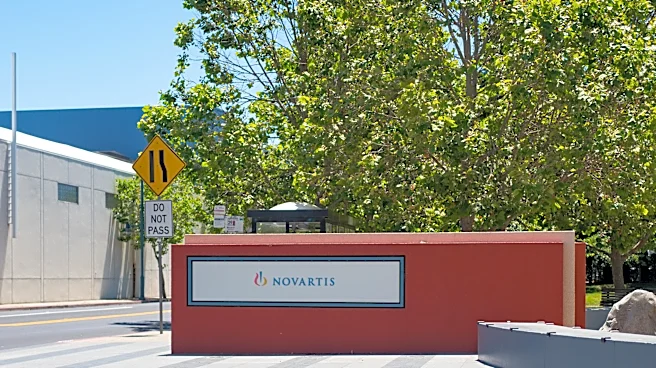
Novartis is actively recruiting for a Director, Governance Enablement, a role designed to bolster governance capabilities and adoption across its International Medical Affairs (IMA) division. This position involves leading the IMA-wide Governance Enablement portfolio,
focusing on strengthening governance across various regions and countries. Key responsibilities include designing and delivering scalable learning approaches to translate medical standards into practical workflows, evolving the Medical Governance Academy's curriculum, and building cross-country governance networks for knowledge sharing. The director will also partner with regional and country Medical Affairs teams to offer targeted governance advice and support. The role emphasizes leveraging analytics, digital tools, automation, and responsible AI to enhance governance effectiveness and network efficiency. Collaboration with Medical Affairs, Quality, Ethics, Risk & Compliance, and Legal departments is crucial to ensure coordinated and effective governance enablement. The position requires an advanced degree in Medicine, Pharmacy, Life Sciences, or a related field, along with significant experience in Medical Affairs, Quality, and Compliance within the pharmaceutical industry.
Why It's Important?
This strategic hiring by Novartis underscores the increasing importance of robust governance and compliance within the global pharmaceutical industry, particularly in Medical Affairs. The role aims to standardize and strengthen how medical standards are implemented across diverse international markets, which is critical for maintaining regulatory adherence and ethical practices. By enhancing governance capability and adoption, Novartis can mitigate risks associated with non-compliance, ensure consistent quality in its medical operations, and protect its reputation. The emphasis on leveraging advanced technologies like AI for governance enablement reflects a broader industry trend towards digital transformation to improve efficiency and oversight. This initiative will likely lead to more streamlined processes, better risk management, and a more unified approach to medical affairs globally, ultimately benefiting patient safety and trust in pharmaceutical products. For stakeholders, this move signals Novartis's commitment to operational excellence and ethical conduct, which can positively influence investor confidence and regulatory relationships.
What's Next?
The successful candidate for the Director, Governance Enablement role will be tasked with driving sustainable organizational change by embedding governance requirements into day-to-day Medical Affairs practices across various countries. This will involve translating monitoring and quality insights into targeted capability-building initiatives to address adoption gaps and strengthen governance maturity. The director will also provide strategic insights and recommendations to senior leadership, identifying capability trends, emerging needs, and opportunities to enhance governance effectiveness. The ongoing evolution of the Medical Governance Academy, including its curricula and onboarding processes, will be a continuous effort. The role's focus on building and strengthening cross-country governance networks suggests a future where knowledge sharing and consistent implementation of medical standards are prioritized, potentially leading to more harmonized global operations for Novartis.
Beyond the Headlines
The creation of a Director, Governance Enablement role at Novartis highlights a deeper industry-wide challenge: balancing rapid scientific innovation with stringent regulatory and ethical demands in a globalized market. The emphasis on 'responsible AI' in governance enablement points to the growing ethical considerations surrounding the use of artificial intelligence in sensitive areas like healthcare and compliance. This role is not just about enforcing rules but about fostering a culture of compliance and continuous improvement through education and technological integration. It reflects a proactive approach to governance, moving beyond reactive problem-solving to predictive risk management and capability building. The initiative could set a precedent for other multinational pharmaceutical companies, influencing how they structure their global compliance and medical affairs functions to navigate complex international regulatory landscapes and maintain public trust.