




What's Happening?
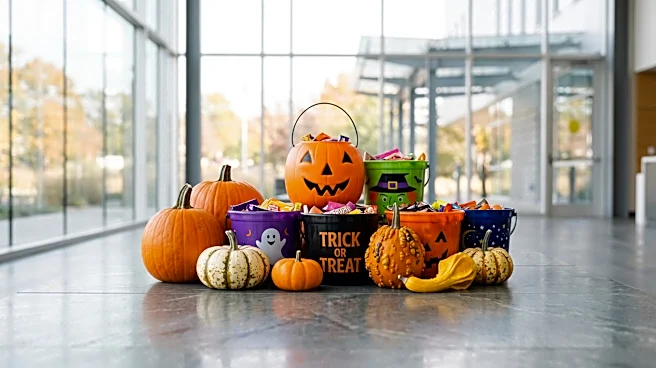
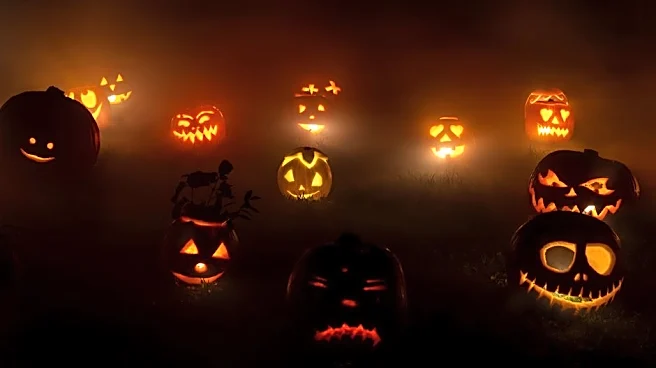
Fairbanks City Hall recently transformed its hallways into elaborate movie sets and video game worlds for a trick-or-treat walk, marking one of the early celebrations of Halloween weekend in the city. A long line of attendees formed at the entrance of City Hall on Friday
evening, eager to participate in the festive event. This initiative provided a unique and engaging experience for local residents, particularly children, offering a safe and creative environment for trick-or-treating. The event showcased the community's spirit and the city's effort to host family-friendly activities.
Why It's Important?
This event is important as it highlights community engagement and the creative use of public spaces for local festivities. By opening City Hall for a Halloween trick-or-treat walk, Fairbanks demonstrated a commitment to fostering community spirit and providing accessible entertainment for families. Such events can strengthen local bonds, offer safe alternatives for holiday celebrations, and present public institutions in a more approachable light. It also underscores the value of local government in organizing and supporting cultural and recreational activities that enhance the quality of life for its residents, particularly during holidays.
What's Next?
Given the apparent success and positive community response, it is likely that Fairbanks City Hall will consider hosting similar themed events in the future, potentially expanding on the creativity and scope of the decorations. Other cities might look to Fairbanks' initiative as a model for utilizing public buildings for community engagement during holidays. The event could also inspire local businesses and organizations to collaborate more closely with city officials on future community-wide celebrations, further integrating public and private efforts to enrich local life. Continued community feedback will likely shape the evolution of these events.
Beyond the Headlines
Beyond the immediate festive atmosphere, this event subtly reinforces the idea of public spaces as communal assets that can be repurposed for cultural and social enrichment. It challenges the perception of government buildings as purely bureaucratic or formal, instead presenting them as vibrant centers of community life. This shift can foster a greater sense of ownership and connection among citizens with their local government. Furthermore, in an era where digital entertainment often dominates, events like this encourage physical community gathering and interaction, promoting social cohesion and shared experiences that are vital for a healthy community fabric.