



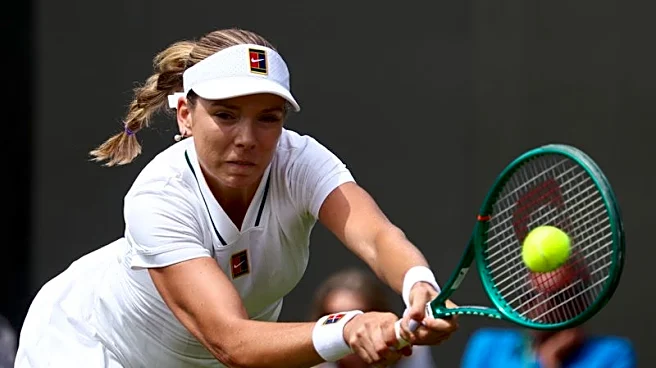




What's Happening?
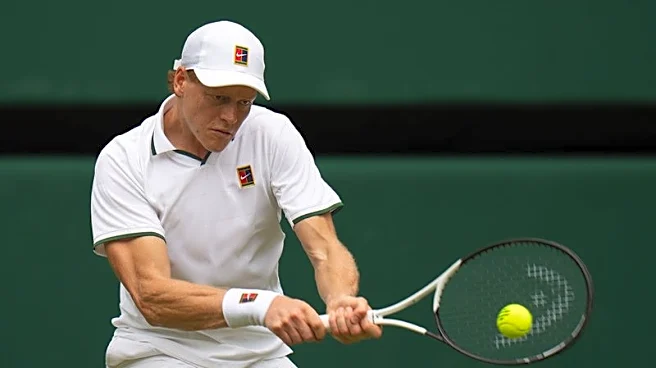
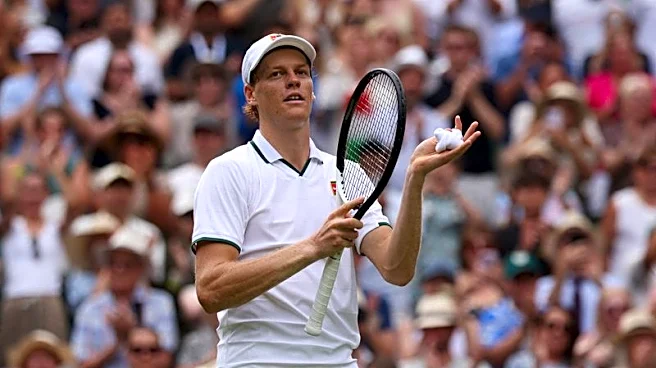
Arthur Fery, a 23-year-old tennis player, has become the last British male standing in the singles competition at Wimbledon. Born in France and raised near Wimbledon, Fery has been a part of the British tennis system since childhood. He honed his skills
at Stanford University in California, where he studied science, technology, and society while on a tennis scholarship. Despite facing injuries, including a bruised bone in his arm, Fery has made significant progress in his career. His recent success at Wimbledon, reaching the third round, marks a high point in his journey. Fery's performance has been bolstered by his strong groundstrokes and agility on the court, compensating for his relatively shorter stature compared to other players.
Why It's Important?
Fery's advancement in Wimbledon is significant for British tennis, especially as the sport in the UK faces scrutiny over performance levels. His success provides a positive narrative amid concerns about the future of British tennis talent. Fery's journey also highlights the role of the American collegiate system in developing international tennis players, offering a blend of education and competitive experience. His achievements could inspire other young British players to pursue similar paths, potentially strengthening the country's tennis prospects. Additionally, Fery's story underscores the importance of resilience and adaptability in sports, as he has overcome injuries and academic commitments to reach this stage.
What's Next?
As Fery continues in the tournament, his performance will be closely watched by British tennis fans and officials. His progress could influence future decisions regarding player development and support within the UK tennis system. If Fery advances further, it may lead to increased media attention and public interest, potentially boosting his career and sponsorship opportunities. The outcome of his matches will also impact his world ranking, which could open doors to more prestigious tournaments and higher-level competition.
Beyond the Headlines
Fery's story also touches on cultural identity and the blending of national affiliations in sports. Having been born in France and raised in the UK, Fery's choice to represent Britain highlights the fluid nature of national representation in global sports. This aspect of his journey may resonate with other athletes who navigate similar dual identities. Furthermore, his success at Wimbledon, a prestigious event with a rich history, adds a layer of cultural significance to his achievements, potentially influencing perceptions of British tennis on the international stage.