




What's Happening?
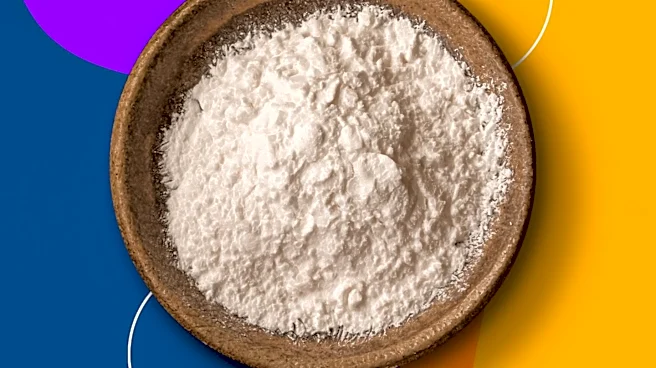
The discussion around digestive wellness frequently highlights psyllium husk and probiotics, both recognized for their contributions to gut health but through different mechanisms. Psyllium husk, derived from the Plantago ovata plant, primarily functions
as a soluble dietary fiber. When ingested with water, it forms a gel-like substance that aids in regulating bowel movements by adding bulk to stool and facilitating smoother passage. It also acts as a prebiotic, nourishing beneficial gut bacteria. Probiotics, on the other hand, are live microorganisms that, when consumed in adequate amounts, confer health benefits to the host. These include strains like Lactobacillus and Bifidobacterium, found in fermented foods and supplements. Probiotics work by colonizing the gut, competing with harmful bacteria, and producing short-chain fatty acids that support the gut lining. While psyllium husk is known for its role in relieving constipation and supporting gut detoxification, probiotics are effective in restoring microbial balance, especially after disruptions like antibiotic use, and in reducing symptoms such as bloating and gas.
Why It's Important?
Understanding the distinct functions of psyllium husk and probiotics is crucial for individuals seeking to improve their digestive health. The gut is often referred to as the body's 'second brain' due to its extensive network of neurons and its communication with the brain via the gut-brain axis, influencing mood, immunity, and nutrient absorption. The gut microbiome, a complex community of microorganisms, is central to this system. Modern diets, stress, and sleep patterns often contribute to common digestive issues like constipation, bloating, and gut dysbiosis. Psyllium husk offers a natural, gentle solution for bowel regularity and detoxification, while probiotics help restore and maintain the delicate balance of gut flora. The synergistic effect of combining prebiotics (like psyllium husk) with probiotics, known as synbiotics, can further enhance gut microbiome diversity and digestive function, offering a comprehensive approach to digestive wellness.
What's Next?
Individuals looking to improve their gut health can consider incorporating psyllium husk and probiotics into their routines, potentially in combination for synergistic benefits. For psyllium husk, a typical adult dosage ranges from 5 to 10 grams per serving, taken one to three times daily, with a gradual increase and ample water intake. It is best consumed before meals. For probiotics, the effectiveness can vary based on the specific strain, survivability through the digestive tract, and individual gut composition. Consulting a healthcare professional is advisable, especially for those on medication, as psyllium husk can affect drug absorption, or for individuals with weakened immunity or underlying medical conditions before starting probiotic supplements. Continued research into the gut microbiome and its interactions with various dietary components and supplements will likely refine recommendations for personalized gut health strategies.
Beyond the Headlines
The growing awareness of gut health extends beyond mere digestive comfort, touching upon broader implications for overall well-being. The gut-brain axis highlights the profound connection between digestive health and mental health, suggesting that a balanced gut microbiome can contribute to improved mood and cognitive function. Furthermore, the role of the gut in immune modulation means that supporting gut health can bolster the body's defenses against illness. The concept of 'gut detox' through psyllium husk, while not a dramatic cleanse in the marketing sense, underscores the physiological support it offers for the colon's natural elimination functions. The increasing prevalence of digestive challenges in modern society, driven by lifestyle factors, emphasizes the need for informed choices regarding dietary fiber and microbial supplementation. This shift towards understanding and nurturing the gut microbiome represents a significant evolution in preventive healthcare and personalized nutrition.