





What's Happening?
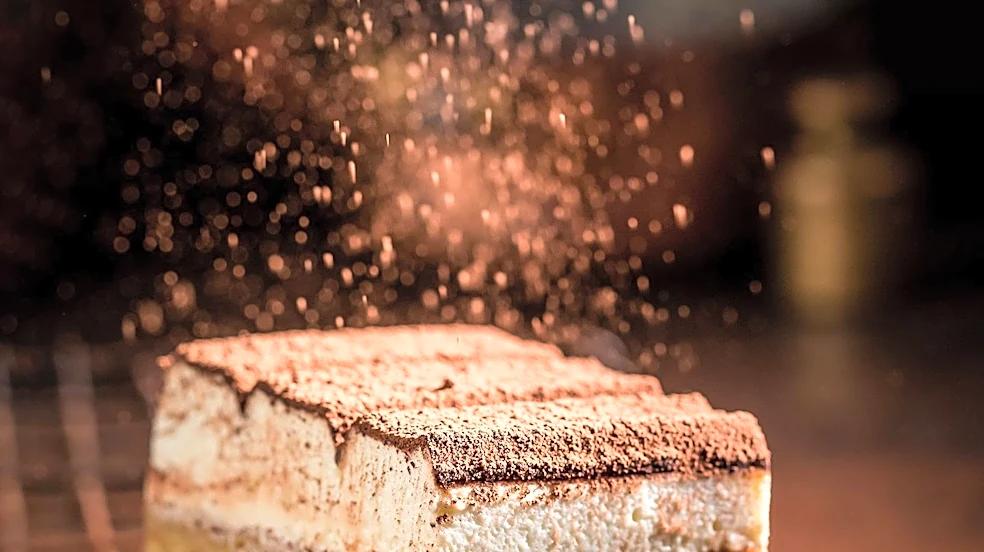
Sugar-free tiramisu cake is gaining popularity as a dessert option that maintains the classic Italian flavor profile while using sugar substitutes. Unlike traditional tiramisu, which uses ladyfinger cookies, the sugar-free version typically features a baked
chiffon or sponge cake base. This base is then soaked in real brewed espresso and layered with a mascarpone mousse sweetened with sugar substitutes like erythritol or monk fruit blends. The dessert is often finished with a dusting of unsweetened cocoa powder. The careful balance of bitter coffee and sweet, creamy mascarpone is preserved, making it a viable option for those monitoring their sugar intake, including individuals with diabetes. The preparation emphasizes using real espresso for an authentic coffee flavor and ensuring the sugar substitute dissolves smoothly to avoid a grainy texture in the mousse.
Why It's Important?
The availability of well-crafted sugar-free desserts like tiramisu cake is significant for the U.S. food industry and consumers. It caters to a growing demographic focused on health and dietary restrictions, such as diabetes management or low-carbohydrate diets, without sacrificing the enjoyment of classic treats. This trend encourages innovation in baking and confectionery, pushing manufacturers to develop products that meet specific nutritional needs while maintaining high standards of taste and texture. For businesses, offering such specialized products can open new market segments and enhance brand appeal. Consumers benefit from having more inclusive dessert options for social gatherings and personal indulgence, promoting a healthier lifestyle without feeling deprived. The emphasis on real ingredients and careful preparation also highlights a shift towards quality in the sugar-free market.
What's Next?
The increasing demand for sugar-free and health-conscious food options suggests that more bakeries and food manufacturers will likely invest in developing and marketing similar products. Consumers can expect to see a wider variety of classic desserts re-imagined with sugar substitutes, potentially leading to more accessible and diverse choices in grocery stores and restaurants. There may also be further innovation in sugar substitute formulations to improve taste and texture, making these products even more appealing. As awareness of dietary health grows, the market for sugar-free alternatives is poised for continued expansion, influencing ingredient sourcing, recipe development, and marketing strategies across the food sector. This could also lead to increased competition and a focus on transparency regarding ingredients and nutritional information.
Beyond the Headlines
This development reflects a broader cultural shift towards mindful eating and personalized nutrition. The ability to enjoy a complex dessert like tiramisu in a sugar-free format challenges traditional perceptions that healthy eating must be restrictive or bland. It underscores the idea that dietary needs can be integrated into everyday life without compromising on culinary experiences. This trend also raises ethical considerations for food producers to ensure that 'sugar-free' claims are genuinely beneficial and not merely marketing ploys, emphasizing the importance of using high-quality ingredients and transparent labeling. Furthermore, it highlights the evolving role of food in social contexts, where inclusive options allow everyone to participate in shared culinary traditions, fostering a more accommodating and health-aware society.