
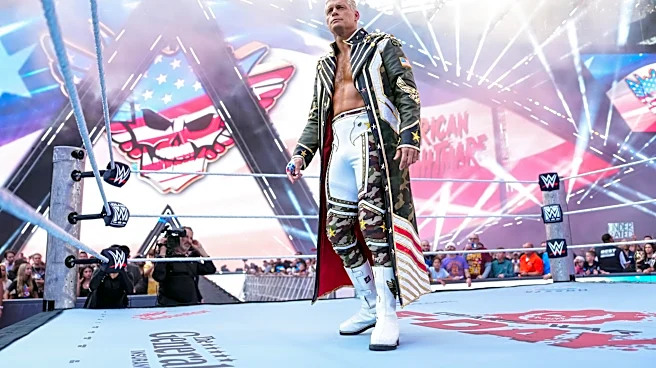
What's Happening?
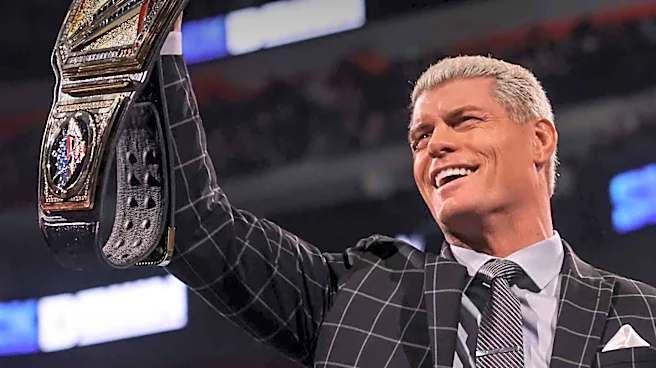
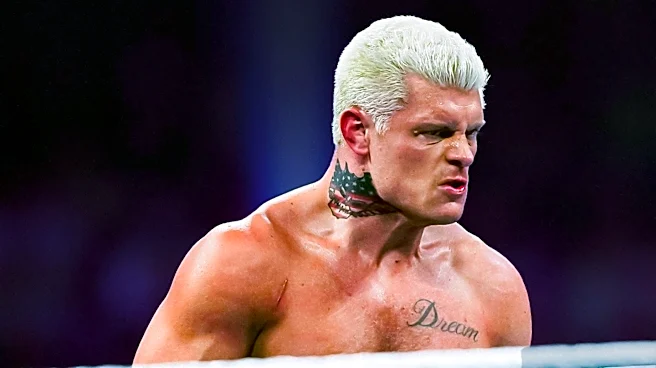
TKO Group Holdings, the parent company of WWE, is reportedly against the idea of WWE superstar Cody Rhodes turning heel (adopting a villainous persona). This stance comes despite growing fan discussion and Rhodes himself expressing openness to such a change,
albeit with certain conditions. Wrestlevotes Radio on Fightful reports that 'several key people in TKO, at minimum,' are not in favor of a heel turn for Rhodes, even if it could benefit WWE storylines. The opposition stems from TKO viewing Rhodes as WWE's 'quintessential babyface and ultimate company man,' who maintains strong merchandise sales and has 'several prominent, lucrative marketing deals.' A heel turn is perceived as potentially disrupting these financial metrics. Rhodes recently concluded a feud with Randy Orton and is now focusing on Survivor Series: WarGames, where he will captain Team USA against Team Mexico.
Why It's Important?
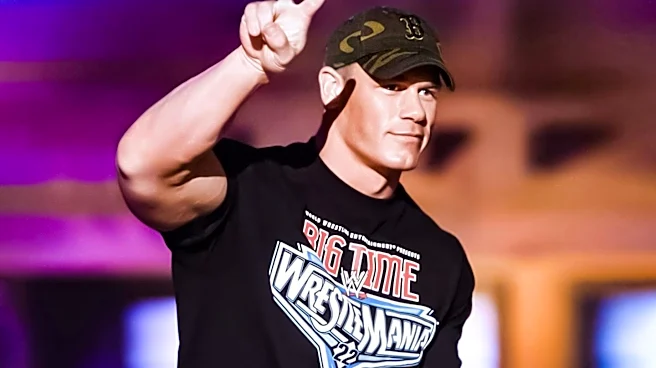
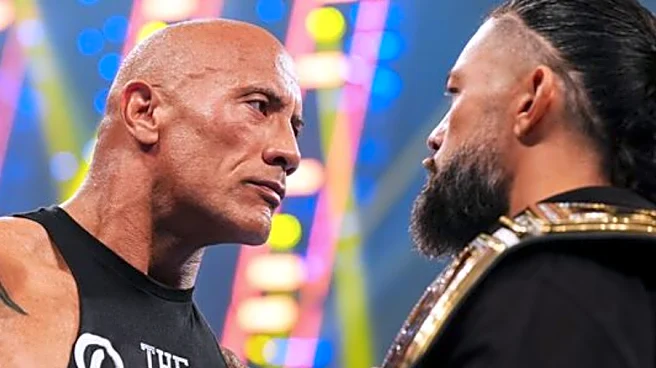
This decision by TKO Group Holdings highlights the significant influence of corporate interests on creative direction within professional wrestling, particularly in WWE. The emphasis on merchandise sales and marketing deals over storyline development for a prominent character like Cody Rhodes underscores a business-first approach. This could impact fan engagement, as a segment of the audience desires a heel turn for Rhodes to refresh his character and storylines. The situation mirrors past hesitations by Vince McMahon regarding similar turns for John Cena and Roman Reigns, indicating a consistent corporate strategy to protect established 'babyface' characters who are strong revenue generators. For fans, it means a potential continuation of a polarizing character dynamic, while for WWE, it prioritizes financial stability and existing brand partnerships.
What's Next?
Cody Rhodes is expected to continue his role as a 'babyface' within WWE, aligning with TKO's current strategy. His immediate focus is on Survivor Series: WarGames, where he will lead Team USA. The ongoing fan discussion about a potential heel turn is likely to persist, but without corporate backing, a significant character shift appears unlikely in the near future. This situation may lead to continued debate among wrestling enthusiasts about the balance between creative storytelling and corporate profitability in WWE. The company will likely continue to leverage Rhodes' popularity as a heroic figure for merchandise sales and marketing initiatives, maintaining his current trajectory as a top-tier 'company man.'
Beyond the Headlines
The resistance to Cody Rhodes' heel turn by TKO Group Holdings reflects a broader tension within entertainment industries between artistic integrity and commercial viability. In professional wrestling, character evolution is often crucial for long-term engagement, but the financial implications of altering a popular character's alignment can be substantial. This scenario raises questions about the extent to which corporate ownership influences creative decisions and whether prioritizing short-term financial gains might stifle innovative storytelling. The precedent set by TKO's decision could indicate a more conservative approach to character development for other top stars, potentially limiting the dynamic shifts that have historically captivated wrestling audiences. It also highlights the power of a performer's marketability in shaping their on-screen persona.