







What's Happening?
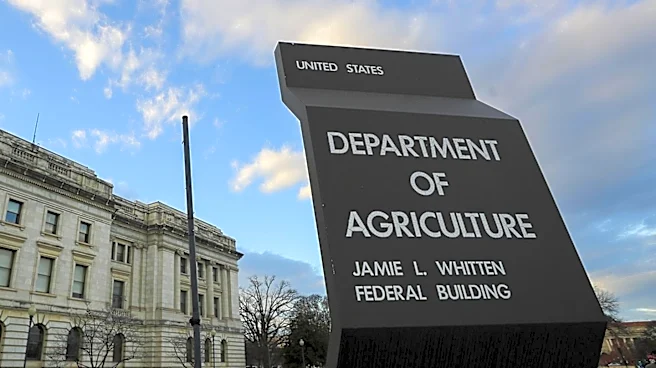
The American Dairy Coalition (ADC) has submitted its Dairy Farm Fuel Cost Impact Report to the USDA’s Harvest Fuel Relief Team. This report was provided in response to a request from USDA Secretary Brooke Rollins for information on commodities beyond
the traditional Title I crop acreage framework, which was announced on October 19. The ADC's report, based on a survey of 372 dairy farms, highlights the significant impact of rising fuel costs on dairy operations, particularly for non-crop-related activities that occur year-round. The survey found that 61.8% of dairy farms reported increases of 30% or more in non-harvest on-farm fuel costs since July, with 23.5% reporting increases of 50%. The report translates these costs to an estimated $0.53 per hundredweight (cwt) of milk, in addition to increased milk-check deductions for hauling.
Why It's Important?
The ADC's report is crucial for demonstrating the unique challenges faced by the dairy industry due to high fuel prices, which are often overlooked by relief programs focused solely on crop harvest. Dairy farms operate 365 days a year, requiring continuous fuel consumption for activities like feeding, cleaning, and manure handling, regardless of harvest seasons. The rising fuel costs, coupled with declining milk prices, are placing immense financial pressure on dairy farmers, with 59.1% of survey respondents indicating their dairy was financially weaker than three years prior. This situation threatens the economic viability of many dairy farms, potentially leading to consolidation or closures, which could impact the U.S. dairy supply chain and rural economies. The data provided to Secretary Rollins aims to ensure that future relief efforts adequately address the specific needs of dairy producers.
What's Next?
The USDA will now review the data submitted by the American Dairy Coalition. The ADC has requested that the USDA establish a dairy relief rate based on hundredweights of milk marketed, alongside appropriate recognition for repeated hay/forage harvests, while retaining the per-acre approach for eligible Title I crops. This suggests that the USDA may consider developing new or modified relief programs that are more tailored to the continuous operational needs of dairy farms. The outcome of this review could lead to policy adjustments that provide more equitable support to the dairy sector, potentially through direct payments or other financial assistance mechanisms. The ADC's efforts aim to influence future USDA decisions to ensure comprehensive and fair support for all agricultural sectors impacted by high input costs.
Beyond the Headlines
The issue of fuel costs in the dairy industry highlights a broader challenge in agricultural policy: the need for nuanced and flexible support mechanisms that account for the diverse operational models within the sector. Traditional crop-centric relief programs may inadvertently disadvantage industries like dairy, which have different cost structures and operational cycles. This situation also underscores the vulnerability of the food supply chain to external economic shocks, such as energy price fluctuations. Addressing these challenges requires a holistic approach that considers the interconnectedness of various agricultural sub-sectors and their unique dependencies. Furthermore, the report's findings on declining milk prices and widening gaps between gross and net milk prices point to systemic issues within the dairy market that may require long-term policy solutions beyond immediate fuel relief.